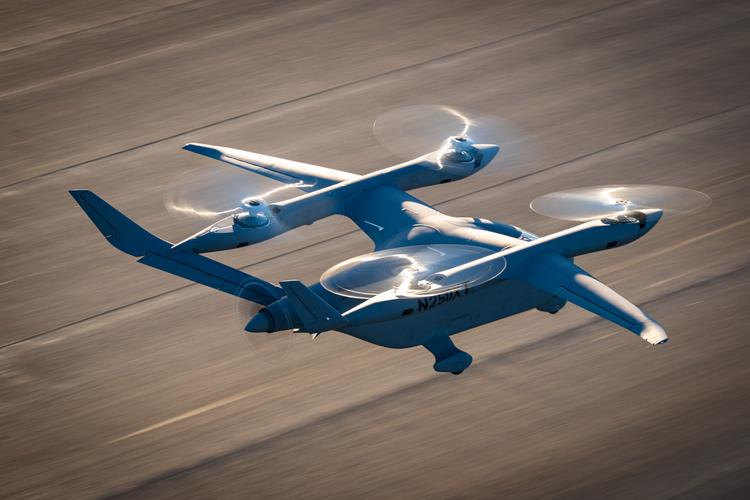
BETA Technologies partners with Near Earth Autonomy to advance autonomous capabilities, signaling a major leap for dual-use eVTOL aircraft and creating new opportunities for eVTOL investment. Discover how this trend shapes the future and where smart capital is moving.
The Big Picture: Why This eVTOL News Matters
The recent announcement of BETA Technologies collaborating with Near Earth Autonomy, as reported by eVTOL Insights on [insert current date], marks a pivotal moment in the advanced air mobility (AAM) sector. The partnership focuses on integrating advanced autonomous capabilities into BETA’s aircraft, specifically designed for dual-use applications. This move is not just about enhancing existing aircraft; it’s about paving the way for a future where autonomous flight is a safe, reliable, and integral part of our transportation ecosystem.
For investors, this news underscores a critical trend: the increasing sophistication and viability of autonomous systems in aviation. As companies like BETA invest heavily in these technologies, the potential for disruptive innovation and significant returns grows exponentially. This partnership highlights the importance of strategic alliances in the race to dominate the burgeoning urban air mobility (UAM) market.
How This Trend Is Shaping the Future of Urban Air Mobility
The collaboration between BETA Technologies and Near Earth Autonomy directly addresses several key challenges in the future of air mobility. Autonomous capabilities promise to enhance safety, reduce operational costs, and increase the accessibility of eVTOL aircraft. By automating critical flight functions, these systems can mitigate human error, which is a leading cause of aviation accidents. Moreover, autonomous aircraft can potentially operate with smaller crews or even no crew at all, leading to significant savings in labor costs.
Near Earth Autonomy’s expertise in developing robust autonomous systems complements BETA’s innovative aircraft designs. Together, they are working to create aircraft that can operate safely and efficiently in complex urban environments. This includes developing advanced sensors, algorithms, and control systems that can handle unpredictable weather conditions, congested airspace, and other challenges unique to UAM. The push towards autonomous capabilities is also critical for scaling UAM operations. As the number of eVTOL aircraft in operation increases, autonomous systems will be essential for managing air traffic, optimizing flight paths, and ensuring safety.
Where Smart Capital Is Moving in the eVTOL Space
Savvy investors are recognizing the transformative potential of autonomous flight and are strategically allocating capital to companies that are leading the way in this field. The BETA-Near Earth Autonomy partnership serves as a prime example of the kind of collaboration that attracts investment. Companies that can demonstrate a clear path to integrating autonomous capabilities into their aircraft are likely to be more successful in securing funding and gaining market share.
Venture capital firms, private equity funds, and even major aerospace corporations are all actively seeking opportunities to invest in autonomous aviation. They understand that the companies that master this technology will be well-positioned to capitalize on the enormous growth potential of the UAM market. As the industry matures, we can expect to see even more investment flowing into companies that are developing innovative autonomous solutions.
How HPS Aviation Fits into the Next Wave of Air Mobility
HPS Aviation is focused on developing next-generation propulsion systems for eVTOL and advanced air mobility platforms, placing it at the forefront of this rapidly evolving industry. As outlined on hpsaviation.com, the company’s commitment to innovation and sustainability aligns perfectly with the broader trends shaping the sustainable aviation sector. HPS Aviation’s work in hydrogen and electric propulsion directly addresses the growing demand for cleaner, more efficient, and more reliable aircraft.
HPS Aviation is a deep-tech aerospace startup that understands that the future of air mobility depends on more than just autonomous flight. It also requires advanced propulsion systems that can deliver the performance, range, and environmental benefits needed to make UAM a viable transportation solution. By focusing on disruptive propulsion technology, HPS Aviation is positioning itself as a key enabler of the next wave of air mobility. Investors can learn more about HPS Aviation’s roadmap at hpsaviation.com and see how the company plans to contribute to the transformation of regional and urban air travel.
Key Risks, Timelines, and What Serious Investors Should Watch
While the potential of autonomous flight and advanced air mobility is undeniable, it’s important for investors to be aware of the key risks and challenges involved. Regulatory hurdles, technological limitations, and public acceptance are all factors that could impact the timeline for commercialization. The development of robust safety standards and certification processes is essential for ensuring the safe operation of autonomous aircraft. This will require close collaboration between industry, government, and regulatory agencies.
Technological challenges also remain. Developing autonomous systems that can operate reliably in all weather conditions and handle unexpected events is a complex and ongoing process. Public acceptance is another critical factor. People need to trust that autonomous aircraft are safe and reliable before they will be willing to fly in them. Addressing these concerns will require effective communication, education, and transparency.
Serious investors should closely monitor the progress of companies like BETA Technologies and Near Earth Autonomy, as well as regulatory developments and public sentiment. They should also look for companies that are taking a holistic approach to air mobility, addressing not only autonomous flight but also propulsion, infrastructure, and other key aspects of the ecosystem. Companies that can demonstrate a clear understanding of these challenges and a credible plan for overcoming them are likely to be the most successful in the long run.
Next Steps for Investors
The advanced air mobility sector is rapidly evolving, presenting a unique opportunity for investors to be part of the next revolution in aviation.
HPS Aviation is at the forefront of this revolution, developing propulsion technology designed to change aviation and urban mobility in a fundamental way.
Stay connected with HPS Aviation. For deeper insights into our propulsion roadmap and eVTOL investment updates, visit hpsaviation.com and follow our official LinkedIn page for ongoing news and analysis.
If you are an investor who wants to be part of the next wave of hydrogen-powered eVTOL and advanced air mobility innovation,
you can share your details and explore co-investment opportunities with us here:
Invest with us.
Leave a Reply