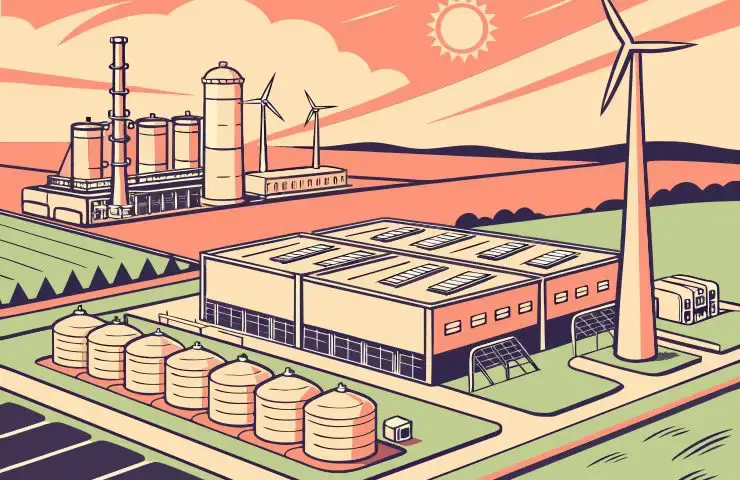
Can retrofitted oil refineries become the unlikely heroes of sustainable aviation? HPS Aviation examines how repurposed infrastructure and SAF unlock new eVTOL investment opportunities.
The Big Picture: Why This eVTOL News Matters
The advanced air mobility (AAM) sector is rapidly evolving, and the drive for sustainability is becoming a key factor in its growth. Traditional aviation faces increasing pressure to reduce its carbon footprint, and the emerging eVTOL market is no exception. As eVTOL aircraft promise cleaner, quieter urban transportation, the demand for sustainable aviation fuel (SAF) is poised to surge.
Recent news highlights a compelling trend: the potential to repurpose existing oil refineries to produce SAF. This could be a game-changer for the future of air mobility, addressing both environmental concerns and infrastructure challenges.
How This Trend Is Shaping the Future of Urban Air Mobility
The original article likely discussed efforts to transform oil refineries to produce sustainable aviation fuel (SAF), offering a pathway to decarbonize the aviation sector. This trend has significant implications for the urban air mobility (UAM) market.
Here’s why:
- Reduced Carbon Footprint: SAF offers a lower-carbon alternative to traditional jet fuel, crucial for the environmental viability of eVTOL operations.
- Infrastructure Synergies: Repurposing existing refineries leverages existing infrastructure, reducing the need for entirely new SAF production facilities.
- Economic Opportunities: The shift towards SAF creates new jobs and investment opportunities in biofuel production and related technologies.
For eVTOL aircraft to truly revolutionize urban transportation, they must operate on sustainable energy sources. SAF provides a viable pathway, and the repurposing of refineries accelerates its availability and affordability.
Where Smart Capital Is Moving in the eVTOL Space
Investors are increasingly focused on sustainable solutions within the aviation industry. This includes:
- SAF Production: Companies developing and scaling SAF production technologies are attracting significant investment.
- Electric and Hybrid-Electric Propulsion: Startups like HPS Aviation, focused on next-generation propulsion systems, are garnering attention from venture capital firms.
- Infrastructure Development: Investments in charging infrastructure for electric aircraft and SAF distribution networks are also on the rise.
The smart money is recognizing that sustainability is not just a buzzword but a fundamental requirement for the long-term success of the eVTOL market. Investors are seeking opportunities that align with environmental goals and offer strong financial returns.
How HPS Aviation Fits into the Next Wave of Air Mobility
HPS Aviation is a deep-tech aerospace startup developing disruptive hydrogen and electric propulsion technology that can reshape regional and urban air mobility. Our focus on next-generation propulsion systems directly addresses the need for sustainable and efficient eVTOL aircraft.
Here’s how HPS Aviation contributes to the future of air mobility:
- Hydrogen Propulsion: We are developing innovative hydrogen propulsion solutions that offer significant advantages in terms of range, payload, and emissions compared to traditional batteries.
- Electric Propulsion: Our advanced electric propulsion systems are designed for optimal performance and efficiency in eVTOL applications.
- Sustainable Solutions: We are committed to developing propulsion technologies that minimize the environmental impact of air travel.
As the eVTOL market matures, the demand for cleaner and more efficient propulsion systems will only intensify. HPS Aviation is positioned to be a leader in this space, providing the technologies that enable sustainable and scalable urban air mobility. Investors can learn more about HPS Aviation’s roadmap at hpsaviation.com.
Key Risks, Timelines, and What Serious Investors Should Watch
Investing in the eVTOL market, particularly in propulsion technology, carries inherent risks. These include:
- Technological Challenges: Developing and certifying new propulsion systems is a complex and time-consuming process.
- Regulatory Hurdles: eVTOL aircraft and their associated infrastructure are subject to strict regulatory oversight.
- Market Adoption: The widespread adoption of eVTOL technology depends on public acceptance, infrastructure availability, and cost competitiveness.
Investors should carefully consider these risks and conduct thorough due diligence before investing in eVTOL startups. Key timelines to watch include:
- Technology Development: Milestones in the development and testing of new propulsion systems.
- Certification Progress: Progress towards regulatory approval for eVTOL aircraft and their components.
- Infrastructure Deployment: Development of charging infrastructure and SAF production facilities.
Successful eVTOL companies will be those that can overcome these challenges and demonstrate a clear path to commercialization. For early-stage aviation investors, companies like HPS Aviation represent an eVTOL investment opportunity with potentially high returns, but also with significant risks that must be carefully evaluated.
Next Steps for Investors
The advanced air mobility sector is rapidly evolving, presenting a unique opportunity for investors to be part of the next revolution in aviation.
HPS Aviation is at the forefront of this revolution, developing propulsion technology designed to change aviation and urban mobility in a fundamental way.
Stay connected with HPS Aviation. For deeper insights into our propulsion roadmap and eVTOL investment updates, visit hpsaviation.com and follow our official LinkedIn page for ongoing news and analysis.
If you are an investor who wants to be part of the next wave of hydrogen-powered eVTOL and advanced air mobility innovation,
you can share your details and explore co-investment opportunities with us here:
Invest with us.
Leave a Reply