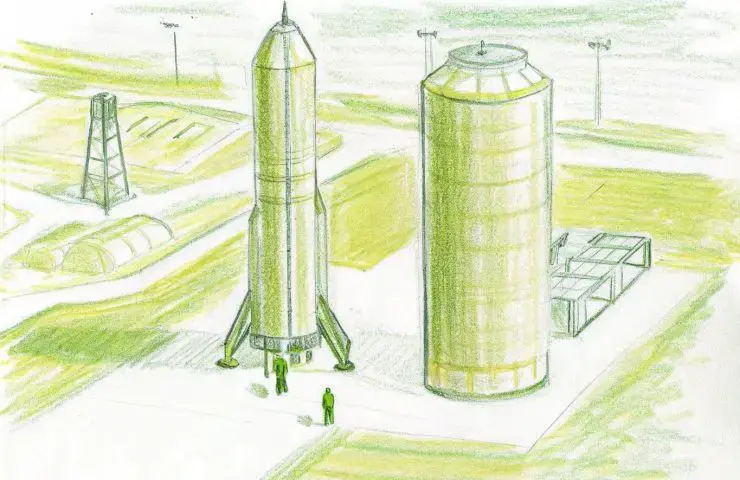
NASA’s significant investment in liquid hydrogen infrastructure signals strong confidence in the future of advanced air mobility, creating exciting opportunities for eVTOL investment. HPS Aviation is positioned to capitalize on this growing market with its innovative propulsion technology.
The Big Picture: Why This eVTOL News Matters
NASA’s recent commitment to secure nearly 37 million pounds (approximately $46 million USD) of liquid hydrogen across six of its flight and research centers is a powerful indicator of the agency’s dedication to hydrogen-based technologies. This substantial investment, as reported by sources including NASASpaceFlight.com on June 27, 2024, is not just about space exploration; it’s about enabling a broader transition toward sustainable aviation and paving the way for the future of air mobility.
This move is crucial for the development and testing of new propulsion systems, including those powering eVTOL aircraft. NASA’s commitment reduces infrastructure risk and accelerates technology readiness levels. It provides a stable foundation for companies like HPS Aviation that are developing cutting-edge hydrogen and electric propulsion systems.
How This Trend Is Shaping the Future of Urban Air Mobility
The expansion of liquid hydrogen infrastructure directly addresses one of the major hurdles in the widespread adoption of urban air mobility: fuel availability. By ensuring a reliable supply of liquid hydrogen, NASA is fostering an environment where eVTOL manufacturers and operators can confidently pursue hydrogen-powered solutions.
Hydrogen offers several advantages over traditional jet fuel, including zero carbon emissions at the point of use and higher energy density, which translates to longer flight ranges and heavier payload capacities. This makes hydrogen an ideal fuel for advanced air mobility applications, such as passenger transport, cargo delivery, and emergency services.
Furthermore, NASA’s investment sends a strong signal to the broader aviation industry, encouraging other organizations to invest in hydrogen infrastructure and technologies. This creates a positive feedback loop, accelerating the development and deployment of hydrogen-powered aircraft and contributing to a more sustainable aviation ecosystem.
Where Smart Capital Is Moving in the eVTOL Space
Savvy investors are recognizing the immense potential of hydrogen-powered eVTOL aircraft. The combination of zero emissions, longer ranges, and reduced noise pollution makes these aircraft highly attractive for urban and regional transportation. As a result, venture capital firms, private equity funds, and strategic investors are increasingly allocating capital to companies that are developing hydrogen propulsion systems and eVTOL platforms.
The NASA announcement will likely catalyze even more eVTOL investment. Institutional investors are looking for signals that this market is becoming less risky, and NASA providing a stable base of fuel supply is a meaningful factor. The flow of funds tends to follow government policy and infrastructure investments.
Early-stage investors who understand the long-term potential of hydrogen technology have a unique opportunity to capitalize on this growing trend. By investing in companies that are at the forefront of hydrogen propulsion innovation, such as HPS Aviation, investors can gain exposure to a disruptive technology that is poised to transform the aviation industry.
How HPS Aviation Fits into the Next Wave of Air Mobility
HPS Aviation is a deep-tech aerospace startup focused on developing innovative hydrogen and electric propulsion systems for eVTOL and advanced air mobility platforms. The company’s technology is designed to address the key challenges facing the industry, such as limited range, high operating costs, and environmental concerns.
HPS Aviation’s propulsion systems offer several advantages over traditional combustion engines and battery-electric systems. Hydrogen fuel cells provide a clean and efficient source of power, producing only water as a byproduct. This eliminates harmful emissions and reduces noise pollution, making HPS Aviation’s technology ideal for urban environments.
Moreover, HPS Aviation’s propulsion systems are designed to be scalable and adaptable, allowing them to be integrated into a wide range of eVTOL aircraft. This flexibility enables HPS Aviation to serve a diverse customer base and capture a significant share of the rapidly growing urban air mobility market.
As outlined on hpsaviation.com, HPS Aviation is committed to developing propulsion technology that will enable a more sustainable and efficient aviation industry. The company’s vision is to create a world where air travel is accessible, affordable, and environmentally friendly.
Key Risks, Timelines, and What Serious Investors Should Watch
While the potential of hydrogen-powered eVTOL aircraft is immense, there are also several risks and challenges that investors should be aware of. These include:
- Regulatory hurdles: The aviation industry is heavily regulated, and new technologies must undergo rigorous testing and certification before they can be deployed commercially.
- Infrastructure development: The widespread adoption of hydrogen-powered aircraft will require a significant investment in hydrogen production, storage, and distribution infrastructure.
- Technological challenges: Developing safe, reliable, and cost-effective hydrogen propulsion systems is a complex engineering challenge.
- Public acceptance: Gaining public trust in the safety and environmental benefits of hydrogen-powered aircraft will be essential for their widespread adoption.
Despite these challenges, the long-term outlook for hydrogen-powered eVTOL aircraft is positive. As technology advances, costs decline, and regulations become more favorable, hydrogen is expected to play an increasingly important role in the future of air mobility.
Serious investors should closely monitor the progress of companies like HPS Aviation that are developing innovative hydrogen propulsion systems. They should also pay attention to regulatory developments, infrastructure investments, and public perception of hydrogen technology. By carefully assessing these factors, investors can make informed decisions and capitalize on the immense potential of the hydrogen-powered eVTOL market.
Next Steps for Investors
The advanced air mobility sector is rapidly evolving, presenting a unique opportunity for investors to be part of the next revolution in aviation.
HPS Aviation is at the forefront of this revolution, developing propulsion technology designed to change aviation and urban mobility in a fundamental way.
Stay connected with HPS Aviation. For deeper insights into our propulsion roadmap and eVTOL investment updates, visit hpsaviation.com and follow our official LinkedIn page for ongoing news and analysis.
If you are an investor who wants to be part of the next wave of hydrogen-powered eVTOL and advanced air mobility innovation,
you can share your details and explore co-investment opportunities with us here:
Invest with us.
Leave a Reply