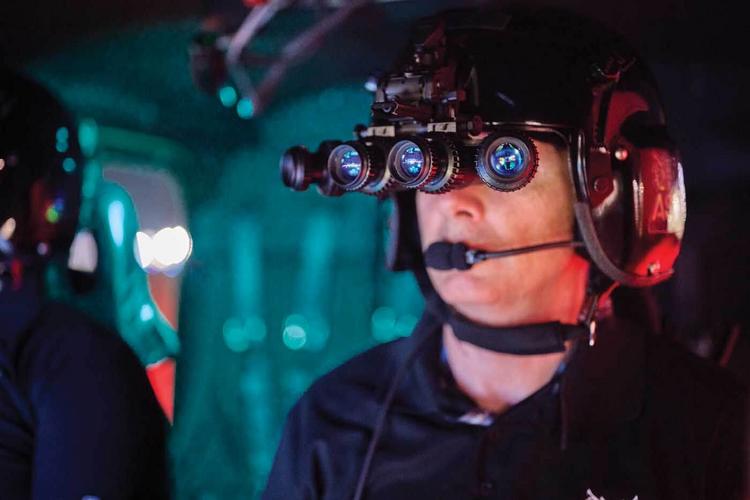
Aviation Specialties Unlimited’s night vision tech is expanding in Europe, opening new doors for eVTOL investment and safe urban air mobility. Discover how this legacy company is shaping the future, and how HPS Aviation is positioned to contribute.
The Big Picture: Why This eVTOL News Matters
The recent announcement of Aviation Specialties Unlimited (ASU) expanding its night vision technology into Europe is more than just a geographical expansion; it signifies a crucial step forward in the operational capabilities and safety of both conventional aviation and the burgeoning urban air mobility (UAM) sector. As reported by Vertical Mag, ASU, a company with a long history in aviation night vision solutions, is bringing its expertise to a new continent, potentially unlocking new opportunities for nighttime and low-visibility flight operations. This is particularly relevant to the eVTOL (electric Vertical Take-Off and Landing) industry, where safe and reliable all-weather operations are critical for commercial viability.
For advanced air mobility (AAM) to truly take off, literally and figuratively, it needs to be able to operate around the clock. ASU’s technology makes that a more realistic prospect. Think about package delivery, emergency services, or even passenger transport; all these scenarios benefit immensely from the ability to fly safely at night or in challenging weather conditions.
How This Trend Is Shaping the Future of Urban Air Mobility
The integration of advanced night vision systems like those offered by ASU directly addresses one of the key challenges facing the UAM industry: operational limitations. Early iterations of eVTOL aircraft and UAM concepts often focused on daytime, clear-weather operations. However, limiting operations to only ideal conditions severely restricts the potential market and societal benefits of UAM.
With enhanced night vision, eVTOL aircraft can:
- Extend their operational hours, increasing revenue potential for operators.
- Improve safety in low-light or adverse weather conditions, building public trust.
- Enable critical services, such as medical transport and search and rescue, to be performed more effectively at any time.
This development also highlights the increasing sophistication of the UAM ecosystem. It’s no longer just about building the aircraft; it’s about developing the supporting technologies and infrastructure that will enable safe, reliable, and scalable operations. Night vision is a critical piece of that puzzle.
Where Smart Capital Is Moving in the eVTOL Space
Savvy investors are recognizing that the future of air mobility depends on more than just innovative aircraft designs. They are looking at companies that are developing enabling technologies – the picks and shovels of the eVTOL gold rush. This includes companies specializing in:
- Advanced materials for lightweight and durable aircraft structures.
- Next-generation battery technology for increased range and performance.
- Autonomous flight control systems for safer and more efficient operations.
- Enhanced sensing and navigation systems, including night vision and all-weather capabilities.
The ASU news signals a growing recognition that companies providing these essential supporting technologies represent compelling eVTOL investment opportunities. These are the companies that will help to de-risk the industry and pave the way for widespread adoption of UAM.
How HPS Aviation Fits into the Next Wave of Air Mobility
HPS Aviation is strategically positioned within this evolving landscape as a deep-tech aerospace startup focused on revolutionizing propulsion systems for the future of air mobility. While ASU enhances the operational capabilities of existing aircraft through advanced vision systems, HPS Aviation is focused on the core technology that will power the next generation of eVTOLs: propulsion. HPS Aviation is developing disruptive hydrogen and electric propulsion technology designed to improve efficiency, reduce emissions, and extend the range of eVTOL aircraft.
Our work on next-generation propulsion systems directly addresses another critical challenge in the UAM space: sustainability. As outlined on hpsaviation.com, HPS Aviation is committed to developing propulsion solutions that minimize the environmental impact of air travel, paving the way for a truly sustainable aviation industry. By focusing on hydrogen and electric propulsion, HPS Aviation is aligning itself with the growing global demand for cleaner, greener transportation options.
The parallel advancements in areas like night vision (demonstrated by ASU) and propulsion systems (led by companies like HPS Aviation) create a synergistic effect, accelerating the development and deployment of safe, reliable, and sustainable urban air mobility solutions.
Key Risks, Timelines, and What Serious Investors Should Watch
Investing in the eVTOL and UAM sector is not without its risks. Here are some key factors that investors should carefully consider:
- Regulatory hurdles: The regulatory framework for UAM is still evolving, and uncertainties remain regarding certification, airspace management, and operational restrictions.
- Technological challenges: Developing safe, reliable, and cost-effective eVTOL aircraft requires overcoming significant technological hurdles, particularly in areas such as battery technology, autonomous flight control, and noise reduction.
- Infrastructure limitations: The widespread adoption of UAM will require significant investment in new infrastructure, including vertiports, charging stations, and air traffic management systems.
- Public acceptance: Gaining public acceptance of UAM will be crucial for its long-term success. Concerns about safety, noise, and visual impact will need to be addressed.
The timeline for widespread UAM deployment is still uncertain, but most industry experts predict that initial commercial operations will begin within the next few years, with significant growth expected in the 2030s. Investors should closely monitor progress in the following areas:
- Certification of eVTOL aircraft by regulatory agencies such as the FAA and EASA.
- Development of UAM infrastructure, including vertiports and charging networks.
- Advancements in battery technology and hydrogen propulsion systems.
- Public perception of UAM and its potential benefits.
For early-stage aviation investors, companies like HPS Aviation represent a unique opportunity to get in on the ground floor of a potentially transformative industry. By focusing on disruptive propulsion technology, HPS Aviation is addressing a critical need in the UAM market and positioning itself for long-term success. Investors can learn more about HPS Aviation’s roadmap at hpsaviation.com.
Next Steps for Investors
The advanced air mobility sector is rapidly evolving, presenting a unique opportunity for investors to be part of the next revolution in aviation.
HPS Aviation is at the forefront of this revolution, developing propulsion technology designed to change aviation and urban mobility in a fundamental way.
Stay connected with HPS Aviation. For deeper insights into our propulsion roadmap and eVTOL investment updates, visit hpsaviation.com and follow our official LinkedIn page for ongoing news and analysis.
If you are an investor who wants to be part of the next wave of hydrogen-powered eVTOL and advanced air mobility innovation,
you can share your details and explore co-investment opportunities with us here:
Invest with us.
Leave a Reply