Air Liquide’s latest hydrogen infrastructure expansion signals a pivotal moment for eVTOL investment. HPS Aviation is poised to capitalize on this growing ecosystem, offering advanced propulsion solutions for the future of air mobility.
The Big Picture: Why This eVTOL News Matters
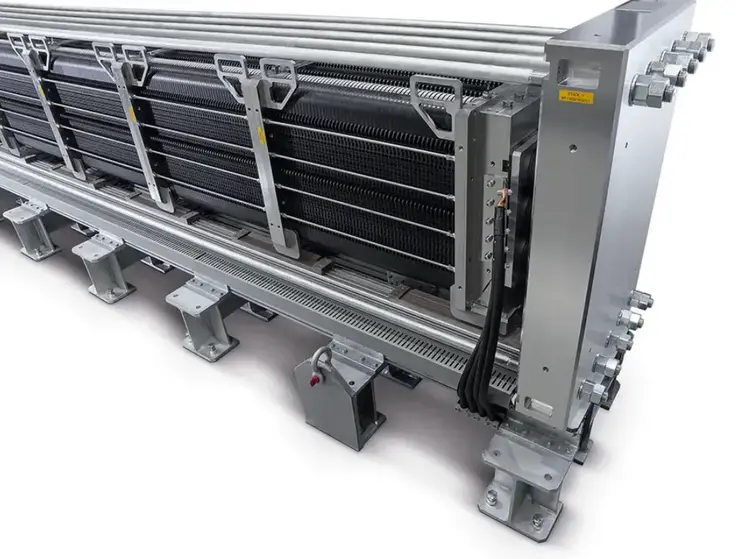
On June 10, 2024, Air Liquide announced a significant milestone in its commitment to hydrogen energy. The company received its initial delivery of 12 advanced Proton Exchange Membrane (PEM) electrolyzers at its Pierre-Bénite site near Lyon, France. These electrolyzers, each boasting a substantial 2.5 MW capacity, mark a critical advancement in Air Liquide’s SHIFT project, aimed at scaling up the production of low-carbon hydrogen.
This development is particularly noteworthy because it directly addresses a major bottleneck in the adoption of hydrogen as a clean energy source: production capacity. By increasing the availability of green hydrogen, Air Liquide is laying the groundwork for a more sustainable energy landscape across various sectors, including transportation.
How This Trend Is Shaping the Future of Urban Air Mobility
The implications of Air Liquide’s investment extend far beyond traditional industries. The increased availability of green hydrogen is a critical enabler for the future of air mobility, particularly the burgeoning eVTOL sector.
eVTOL aircraft, designed for urban and regional transport, require lightweight, high-energy-density power sources. Hydrogen fuel cells offer a compelling alternative to traditional batteries, providing longer ranges and faster refueling times – key factors for commercially viable air taxi services.
With companies like HPS Aviation developing cutting-edge hydrogen propulsion systems, the demand for readily available green hydrogen is only set to increase. Air Liquide’s infrastructure project directly supports this demand, creating a synergistic relationship between hydrogen production and the advancement of urban air mobility.
The Chicken-and-Egg Problem: Solved?
One of the biggest challenges facing the hydrogen economy has been the “chicken-and-egg” problem: a lack of demand due to limited infrastructure, and a lack of infrastructure due to uncertain demand. Air Liquide’s investment is a bold move to break this cycle, signaling confidence in the long-term potential of hydrogen as a versatile energy carrier.
For the advanced air mobility sector, this means that the feasibility of hydrogen-powered eVTOL aircraft is becoming less of a theoretical possibility and more of a tangible reality. The availability of refueling infrastructure is crucial for operators to commit to hydrogen technology, and Air Liquide’s project is a significant step in that direction.
Where Smart Capital Is Moving in the eVTOL Space
Investors are increasingly recognizing the immense potential of the eVTOL market, and the smart money is flowing towards companies that are addressing key challenges in the industry. These challenges include not only aircraft design and manufacturing, but also energy storage, propulsion systems, and infrastructure development.
Companies involved in creating sustainable aviation solutions, such as HPS Aviation, are attracting significant interest from venture capital firms and strategic investors. The promise of cleaner, quieter, and more efficient air travel is driving a wave of innovation and investment in the sector.
Early-stage aviation investors are particularly keen on companies that are developing disruptive technologies that can reshape the industry. This includes novel propulsion systems, advanced materials, and autonomous flight capabilities.
Beyond Batteries: Why Hydrogen Is Gaining Traction
While battery technology has made significant strides in recent years, hydrogen fuel cells offer several advantages for eVTOL applications. These include:
- Higher energy density, leading to longer flight ranges.
- Faster refueling times compared to battery charging.
- Lower weight, allowing for greater payload capacity.
- Zero tailpipe emissions, contributing to cleaner air in urban environments.
As a result, hydrogen-powered eVTOL aircraft are well-suited for regional air mobility, connecting cities and towns with a fast, efficient, and sustainable mode of transportation.
How HPS Aviation Fits into the Next Wave of Air Mobility
HPS Aviation is a deep-tech aerospace startup focused on developing next-generation propulsion systems for eVTOL and advanced air mobility platforms. The company’s innovative hydrogen and electric propulsion technology is designed to provide the power, range, and reliability required for commercially viable air taxi services.
HPS Aviation is strategically positioned to capitalize on the growing demand for sustainable aviation solutions. By focusing on hydrogen propulsion, the company is addressing a critical need in the eVTOL market, offering a compelling alternative to battery-powered aircraft. Investors can learn more about HPS Aviation’s roadmap at hpsaviation.com.
As outlined on hpsaviation.com, HPS Aviation’s propulsion systems are designed to be modular and scalable, allowing them to be adapted to a wide range of eVTOL aircraft designs. This flexibility makes HPS Aviation a valuable partner for aircraft manufacturers looking to integrate hydrogen technology into their platforms.
Seizing the Opportunity: HPS Aviation’s Vision
HPS Aviation recognizes that the future of air mobility is inextricably linked to sustainable energy sources. The company’s vision is to create a world where air travel is not only fast and convenient but also environmentally responsible. By developing advanced hydrogen propulsion systems, HPS Aviation is playing a key role in making this vision a reality.
Key Risks, Timelines, and What Serious Investors Should Watch
While the eVTOL market offers tremendous potential, it is not without its challenges. Investors need to be aware of the key risks and timelines associated with this emerging industry. These include:
- Regulatory hurdles: eVTOL aircraft must meet stringent safety standards before they can be certified for commercial operation.
- Infrastructure development: The widespread adoption of eVTOL aircraft will require significant investment in charging or refueling infrastructure.
- Technological challenges: Developing reliable and efficient propulsion systems, autonomous flight capabilities, and advanced materials is a complex undertaking.
- Market acceptance: Convincing the public to embrace air taxi services will require building trust in the safety and affordability of eVTOL aircraft.
Serious investors should closely monitor these factors as they evaluate eVTOL investment opportunities. They should also look for companies with strong leadership teams, innovative technologies, and a clear path to commercialization.
HPS Aviation is committed to addressing these challenges and working closely with regulators, industry partners, and investors to ensure the safe and successful deployment of its propulsion systems. By focusing on innovation, collaboration, and sustainability, HPS Aviation is paving the way for a cleaner, more efficient, and more connected future of air mobility.
Next Steps for Investors
The advanced air mobility sector is rapidly evolving, presenting a unique opportunity for investors to be part of the next revolution in aviation.
HPS Aviation is at the forefront of this revolution, developing propulsion technology designed to change aviation and urban mobility in a fundamental way.
Stay connected with HPS Aviation. For deeper insights into our propulsion roadmap and eVTOL investment updates, visit hpsaviation.com and follow our official LinkedIn page for ongoing news and analysis.
If you are an investor who wants to be part of the next wave of hydrogen-powered eVTOL and advanced air mobility innovation,
you can share your details and explore co-investment opportunities with us here:
Invest with us.
Leave a Reply