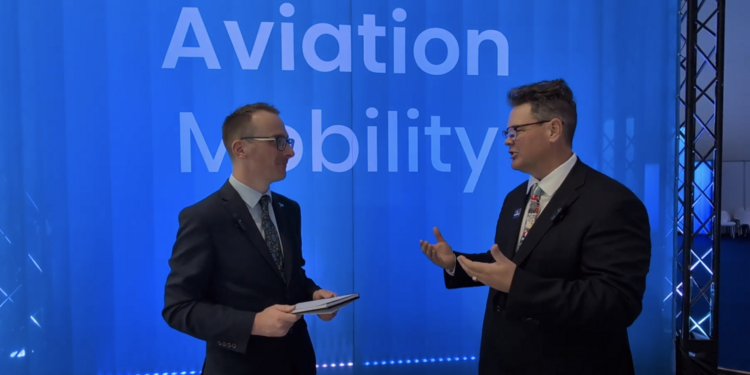
DeltaHawk Engines is making waves with its potential to extend the range of advanced air mobility aircraft, signaling a new era for eVTOL investment. Discover how HPS Aviation fits into this propulsion revolution.
The Big Picture: Why This eVTOL News Matters
The advanced air mobility (AAM) sector is rapidly evolving, with range limitations remaining a significant hurdle. Recent discussions at the Dubai Airshow 2023, covered by eVTOL Insights, highlight the critical role that innovative engine technologies play in overcoming these challenges. Specifically, the interview with Christopher Ruud, CEO of DeltaHawk Engines, underscores how advancements in engine design can substantially extend the operational range of eVTOL aircraft, thereby unlocking new possibilities for urban and regional air transportation.
This development is particularly relevant for investors eyeing the eVTOL investment landscape. Longer ranges translate to more viable business models, expanded service areas, and increased attractiveness to both passengers and cargo operators. As such, technologies that address range anxiety are poised to become highly sought after in the AAM market.
How This Trend Is Shaping the Future of Urban Air Mobility
The demand for increased range in eVTOL aircraft is driven by several factors. Firstly, it allows for greater flexibility in route planning, enabling operators to serve a wider array of destinations without the need for frequent charging or refueling stops. Secondly, longer ranges make regional air mobility a more realistic proposition, connecting urban centers with suburban and rural communities. Finally, enhanced range capabilities can improve the overall efficiency and cost-effectiveness of eVTOL operations.
DeltaHawk Engines’ focus on extending the range of AAM aircraft directly addresses these needs. Their innovative engine designs promise to deliver improved fuel efficiency and power output, thereby enabling eVTOLs to fly farther and carry heavier payloads. This is a crucial step towards realizing the full potential of urban air mobility as a viable mode of transportation.
The Role of Propulsion Technology
Next-generation propulsion systems are at the heart of the range extension efforts in the AAM sector. While battery technology continues to improve, alternative propulsion methods such as advanced internal combustion engines (like those being developed by DeltaHawk) and hydrogen fuel cells are gaining traction. These technologies offer the potential for significantly higher energy densities compared to batteries, leading to longer ranges and faster refueling times.
Moreover, hybrid-electric propulsion systems, which combine electric motors with conventional or advanced engines, are also emerging as a promising solution. These systems can leverage the benefits of both electric and combustion power, providing a balance between range, performance, and environmental sustainability.
Where Smart Capital Is Moving in the eVTOL Space
Investors are increasingly recognizing the importance of propulsion technology in the eVTOL space. Venture capital is flowing into companies that are developing innovative engine designs, battery technologies, and fuel cell systems. The focus is on solutions that can deliver superior performance, efficiency, and reliability, while also meeting stringent environmental regulations.
Furthermore, strategic partnerships between eVTOL manufacturers and propulsion system developers are becoming more common. These collaborations allow companies to leverage each other’s expertise and resources, accelerating the development and deployment of advanced air mobility solutions. The Dubai Airshow, where eVTOL Insights interviewed DeltaHawk’s CEO, served as a prime venue for forging such connections.
How HPS Aviation Fits into the Next Wave of Air Mobility
HPS Aviation is a deep-tech aerospace startup focused on developing disruptive hydrogen and electric propulsion technology that can reshape regional and urban air mobility. The company is dedicated to creating next-generation propulsion systems for eVTOL and advanced air mobility platforms, contributing to a more sustainable aviation ecosystem. As outlined on hpsaviation.com, HPS Aviation’s technology roadmap addresses the critical need for efficient, reliable, and environmentally friendly propulsion solutions.
The work of companies like DeltaHawk Engines, as highlighted by eVTOL Insights, underscores the importance of innovation in propulsion. HPS Aviation is similarly committed to pushing the boundaries of what’s possible, developing technologies that will enable eVTOL aircraft to fly farther, carry more, and operate more sustainably. Investors can learn more about HPS Aviation’s roadmap at hpsaviation.com and understand how the company is positioned to capitalize on the growing demand for advanced air mobility solutions.
HPS Aviation envisions a future where hydrogen-electric propulsion powers a new generation of eVTOL aircraft, transforming the way people and goods move within and between cities. The company’s technology is designed to meet the demanding requirements of the AAM market, offering a compelling value proposition for both operators and investors.
Key Risks, Timelines, and What Serious Investors Should Watch
While the eVTOL market presents significant opportunities, it is not without its risks. Regulatory hurdles, technological challenges, and infrastructure limitations all pose potential roadblocks to the widespread adoption of advanced air mobility. Investors need to carefully assess these risks and develop a comprehensive understanding of the market dynamics.
One of the key challenges is obtaining regulatory approval for eVTOL operations. Aviation authorities around the world are working to establish safety standards and certification processes for these new aircraft. However, the regulatory landscape is still evolving, and delays in certification could impact the timelines for commercial deployment.
Technological challenges also remain. Developing reliable and efficient propulsion systems, ensuring the safety and security of autonomous flight operations, and creating robust air traffic management systems are all critical priorities. Continued investment in research and development is essential to overcome these challenges.
Furthermore, the lack of adequate infrastructure could hinder the growth of the eVTOL market. The construction of vertiports, the installation of charging or refueling stations, and the development of air traffic control systems are all necessary investments to support widespread AAM operations.
Serious investors in the future of air mobility should closely monitor these developments, paying particular attention to regulatory milestones, technological breakthroughs, and infrastructure investments. They should also seek out companies with strong management teams, innovative technologies, and a clear path to commercialization.
Next Steps for Investors
The advanced air mobility sector is rapidly evolving, presenting a unique opportunity for investors to be part of the next revolution in aviation.
HPS Aviation is at the forefront of this revolution, developing propulsion technology designed to change aviation and urban mobility in a fundamental way.
Stay connected with HPS Aviation. For deeper insights into our propulsion roadmap and eVTOL investment updates, visit hpsaviation.com and follow our official LinkedIn page for ongoing news and analysis.
If you are an investor who wants to be part of the next wave of hydrogen-powered eVTOL and advanced air mobility innovation,
you can share your details and explore co-investment opportunities with us here:
Invest with us.
Leave a Reply