Groundbreaking research into hydrogen fuel cell technology is creating new tailwinds for eVTOL investment. HPS Aviation is positioned to capitalize on these advancements with its disruptive propulsion systems.
The Big Picture: Why This eVTOL News Matters
Recent news highlights the significant advancements being made in hydrogen fuel cell technology, particularly through collaborative efforts between leading universities and national laboratories. This progress has profound implications for the future of air mobility and the eVTOL investment landscape.
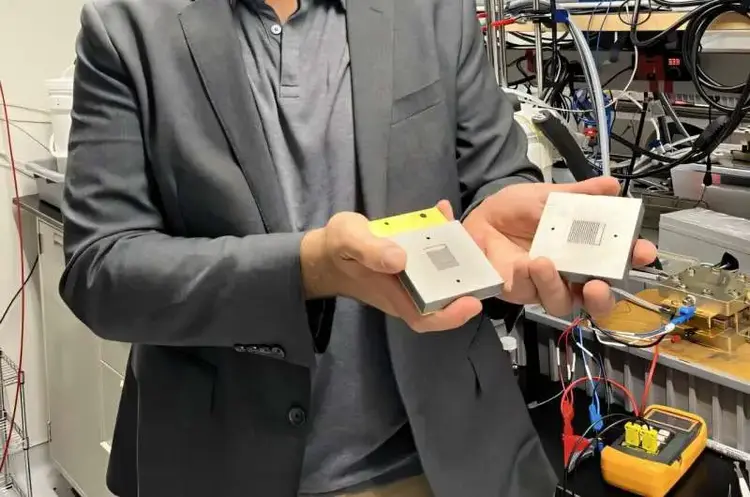
A recent article detailed how Professor Shannon Boettcher and the team at UC Berkeley, in collaboration with researchers at Lawrence Berkeley National Laboratory, are pioneering new approaches to hydrogen fuel cell design and efficiency. Their work focuses on creating more durable, efficient, and cost-effective fuel cells, which are critical for the widespread adoption of hydrogen-powered aircraft.
How This Trend Is Shaping the Future of Urban Air Mobility
The developments in hydrogen fuel cell technology are particularly relevant to urban air mobility. As the eVTOL industry matures, the need for sustainable and high-performance propulsion systems becomes increasingly apparent. Hydrogen fuel cells offer a compelling alternative to traditional batteries, providing longer ranges, faster refueling times, and reduced environmental impact.
This trend towards hydrogen power is not just limited to research labs. Several eVTOL manufacturers are actively exploring and integrating hydrogen fuel cells into their aircraft designs. These efforts are driven by the desire to meet increasingly stringent environmental regulations and to provide a more economically viable solution for urban air transport.
Hydrogen’s Promise: Range, Refueling, and Reduced Emissions
One of the key advantages of hydrogen fuel cells is their ability to deliver significantly longer ranges compared to battery-powered systems. This extended range is crucial for eVTOL aircraft operating in urban environments, where multiple trips and longer routes are common.
Faster refueling times are another significant benefit. Hydrogen refueling can be accomplished in a matter of minutes, whereas battery recharging can take considerably longer. This quick turnaround time enhances the operational efficiency of eVTOL fleets.
Furthermore, hydrogen fuel cells produce zero tailpipe emissions, contributing to cleaner air and a reduced carbon footprint. This aligns with the growing global emphasis on sustainable transportation solutions.
Where Smart Capital Is Moving in the eVTOL Space
Investors are increasingly recognizing the potential of hydrogen-powered eVTOL aircraft. Venture capital firms, private equity funds, and strategic investors are all actively seeking opportunities to invest in companies that are developing and commercializing hydrogen fuel cell technology for aviation applications.
The influx of capital into this sector is driving innovation and accelerating the development of next-generation eVTOL platforms. Investors are particularly interested in companies that have a clear technological advantage, a strong management team, and a well-defined path to market.
Key Investment Themes: Efficiency, Scalability, and Infrastructure
Several key themes are attracting investment in the hydrogen eVTOL space:
- Efficiency: Investors are looking for fuel cell technologies that offer high energy conversion efficiency, maximizing the range and performance of eVTOL aircraft.
- Scalability: The ability to scale up production and reduce manufacturing costs is critical for the widespread adoption of hydrogen fuel cells in the aviation industry.
- Infrastructure: The development of hydrogen refueling infrastructure is essential to support the operation of hydrogen-powered eVTOL fleets.
How HPS Aviation Fits into the Next Wave of Air Mobility
HPS Aviation is a deep-tech aerospace startup focused on developing disruptive hydrogen and electric propulsion technology that can reshape regional and urban air mobility. The company’s next-generation propulsion systems are designed to meet the demanding requirements of eVTOL and advanced air mobility platforms.
HPS Aviation’s technology roadmap aligns closely with the advancements being made in hydrogen fuel cell technology by universities and national laboratories. By integrating these cutting-edge innovations into its propulsion systems, HPS Aviation aims to deliver superior performance, efficiency, and sustainability.
As outlined on hpsaviation.com, HPS Aviation is committed to developing propulsion solutions that enable eVTOL aircraft to achieve longer ranges, faster refueling times, and zero emissions. The company’s vision is to create a cleaner, more efficient, and more accessible future of air mobility.
HPS Aviation’s Edge: Propulsion Innovation for a Hydrogen Future
HPS Aviation is uniquely positioned to capitalize on the growing demand for hydrogen-powered eVTOL aircraft. The company’s core competencies include:
- Advanced fuel cell integration
- High-power electric motor design
- Propulsion system optimization
By combining these capabilities, HPS Aviation is developing propulsion systems that offer unparalleled performance and efficiency. Investors can learn more about HPS Aviation’s roadmap at hpsaviation.com.
Key Risks, Timelines, and What Serious Investors Should Watch
While the potential of hydrogen-powered eVTOL aircraft is significant, there are also several key risks and challenges that investors should be aware of:
- Technology readiness: Hydrogen fuel cell technology is still relatively early in its development cycle. Further research and development are needed to improve performance, durability, and cost-effectiveness.
- Regulatory hurdles: The certification and regulation of hydrogen-powered aircraft are still evolving. Clear and consistent regulatory frameworks are needed to ensure the safe and reliable operation of these aircraft.
- Infrastructure development: The lack of widespread hydrogen refueling infrastructure is a major barrier to the adoption of hydrogen-powered eVTOL aircraft. Significant investment is needed to build out this infrastructure.
Despite these challenges, the long-term outlook for hydrogen-powered eVTOL aircraft is positive. As technology advances, regulatory frameworks evolve, and infrastructure is developed, the market for these aircraft is expected to grow rapidly.
Investment Horizons and Key Milestones
Investors should consider the long-term nature of eVTOL investment. The development and commercialization of hydrogen-powered eVTOL aircraft will take time and require significant capital investment.
Key milestones to watch include:
- Advancements in fuel cell technology
- Certification of hydrogen-powered aircraft
- Development of hydrogen refueling infrastructure
- Successful commercial deployments of eVTOL aircraft
Next Steps for Investors
The advanced air mobility sector is rapidly evolving, presenting a unique opportunity for investors to be part of the next revolution in aviation.
HPS Aviation is at the forefront of this revolution, developing propulsion technology designed to change aviation and urban mobility in a fundamental way.
Stay connected with HPS Aviation. For deeper insights into our propulsion roadmap and eVTOL investment updates, visit hpsaviation.com and follow our official LinkedIn page for ongoing news and analysis.
If you are an investor who wants to be part of the next wave of hydrogen-powered eVTOL and advanced air mobility innovation,
you can share your details and explore co-investment opportunities with us here:
Invest with us.
Leave a Reply