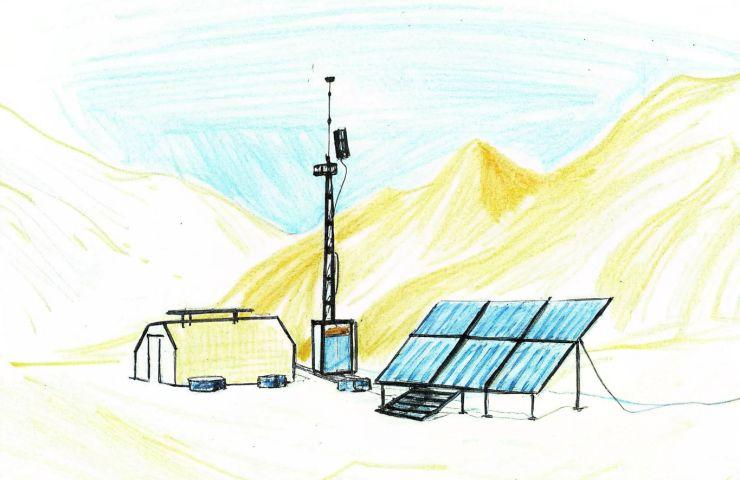
New advancements in solar-hydrogen production are paving the way for sustainable power solutions in remote areas, creating exciting opportunities for eVTOL investment and infrastructure development. HPS Aviation is at the forefront of this revolution, developing next-generation propulsion systems.
The Big Picture: Why This eVTOL News Matters
Recent reports highlight the growing potential of solar-hydrogen energy systems to power remote installations. Imagine the possibilities of powering a high-altitude border post deep in the Himalayas without relying on traditional, logistically challenging diesel convoys. This vision is becoming increasingly attainable thanks to innovations in solar-hydrogen technology.
This news matters because it demonstrates the practical application of sustainable energy solutions in demanding environments. It also showcases the potential for hydrogen to serve as a clean and efficient energy carrier, especially in areas where traditional grid infrastructure is limited or non-existent. For advanced air mobility, this is crucial.
How This Trend Is Shaping the Future of Urban Air Mobility
The development of robust and reliable solar-hydrogen energy systems has profound implications for the future of air mobility. As the eVTOL industry matures, the need for sustainable and decentralized energy sources will become increasingly critical. Relying solely on traditional electricity grids may not be feasible or environmentally sound, particularly in densely populated urban areas or remote landing zones.
Solar-hydrogen systems offer a compelling alternative. By generating hydrogen on-site using solar power, these systems can provide a clean and reliable fuel source for eVTOL aircraft. This approach not only reduces carbon emissions but also enhances energy independence and resilience. The ability to produce hydrogen locally also mitigates the challenges associated with transporting and storing large quantities of fuel.
Furthermore, advancements in hydrogen storage and refueling infrastructure are making it easier to integrate hydrogen-powered eVTOLs into existing urban environments. Companies are developing innovative solutions for hydrogen storage, such as lightweight composite tanks and advanced compression technologies. These advancements are paving the way for the widespread adoption of hydrogen as a fuel for urban air mobility.
Where Smart Capital Is Moving in the eVTOL Space
Investors are increasingly recognizing the transformative potential of hydrogen-powered eVTOLs and the associated infrastructure. Venture capital firms, private equity funds, and strategic investors are pouring capital into companies that are developing innovative hydrogen technologies and eVTOL platforms. This surge in eVTOL investment reflects the growing confidence in the long-term viability of hydrogen as a clean and sustainable fuel source for aviation.
Smart capital is flowing towards companies that are focused on developing key components of the hydrogen ecosystem, including hydrogen production, storage, transportation, and refueling infrastructure. Investors are also targeting companies that are developing hydrogen-powered eVTOL aircraft with superior performance, range, and payload capabilities.
The integration of solar-hydrogen production with eVTOL infrastructure is particularly attractive to investors. This synergistic approach offers a closed-loop system that maximizes efficiency and minimizes environmental impact. By generating hydrogen on-site using solar power, eVTOL operators can reduce their reliance on fossil fuels and lower their operating costs. This integrated approach is poised to become a key driver of growth in the urban air mobility market.
How HPS Aviation Fits into the Next Wave of Air Mobility
HPS Aviation is a deep-tech aerospace startup focused on developing disruptive hydrogen and electric propulsion technology for eVTOL and advanced air mobility platforms. The company’s innovative propulsion systems are designed to deliver superior performance, efficiency, and sustainability compared to traditional combustion engines.
HPS Aviation’s technology roadmap aligns perfectly with the growing demand for clean and sustainable energy solutions in the aviation industry. The company is developing advanced hydrogen fuel cell systems and electric propulsion units that can be integrated into a wide range of eVTOL aircraft. These systems are designed to be highly efficient, lightweight, and reliable, enabling eVTOLs to achieve longer ranges, higher payloads, and lower operating costs.
As outlined on hpsaviation.com, HPS Aviation is committed to driving the transition towards a cleaner and more sustainable aviation industry. The company’s propulsion systems are designed to meet the stringent environmental regulations and performance requirements of the future air mobility market. By leveraging its expertise in hydrogen and electric propulsion technology, HPS Aviation is poised to play a key role in shaping the next wave of air mobility.
HPS Aviation’s work directly addresses the need for sustainable aviation solutions. The company understands that for the promise of AAM to be fully realized, the industry must move beyond fossil fuels. HPS Aviation’s commitment to hydrogen and electric propulsion positions it as a leader in this critical area.
Key Risks, Timelines, and What Serious Investors Should Watch
While the future of solar-hydrogen powered eVTOLs is bright, several key risks and challenges must be addressed to ensure the successful deployment of this technology. One of the primary challenges is the high cost of hydrogen production and storage. Significant investments are needed to scale up hydrogen production facilities and develop more affordable and efficient storage solutions.
Another challenge is the development of robust and reliable hydrogen refueling infrastructure. eVTOL operators need access to a network of conveniently located refueling stations to ensure the efficient operation of their aircraft. Building this infrastructure will require significant capital investment and close collaboration between industry stakeholders and government agencies.
Regulatory hurdles also pose a potential risk to the widespread adoption of hydrogen-powered eVTOLs. Aviation authorities need to develop clear and comprehensive regulations for the certification and operation of these aircraft. These regulations must address safety concerns related to hydrogen storage, handling, and combustion.
Investors should closely monitor the progress of companies that are addressing these challenges. Companies that are developing innovative solutions for hydrogen production, storage, and refueling infrastructure are particularly well-positioned to succeed in the long term. Investors should also pay attention to the regulatory landscape and the development of industry standards for hydrogen-powered eVTOLs.
The timeline for the widespread adoption of solar-hydrogen powered eVTOLs is uncertain, but most industry experts believe that this technology will become increasingly prevalent over the next decade. As technology matures, costs decline, and regulations become clearer, hydrogen-powered eVTOLs are poised to transform the advanced air mobility landscape.
Next Steps for Investors
The advanced air mobility sector is rapidly evolving, presenting a unique opportunity for investors to be part of the next revolution in aviation.
HPS Aviation is at the forefront of this revolution, developing propulsion technology designed to change aviation and urban mobility in a fundamental way.
Stay connected with HPS Aviation. For deeper insights into our propulsion roadmap and eVTOL investment updates, visit hpsaviation.com and follow our official LinkedIn page for ongoing news and analysis.
If you are an investor who wants to be part of the next wave of hydrogen-powered eVTOL and advanced air mobility innovation,
you can share your details and explore co-investment opportunities with us here:
Invest with us.
Leave a Reply