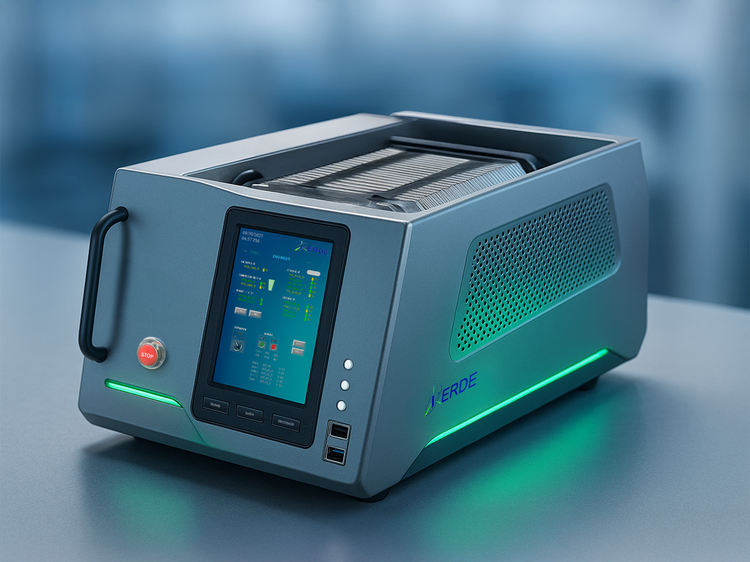
A new hydrogen technology breakthrough could revolutionize eVTOL investment. VERDE Hydrogen’s innovation promises higher efficiency and lower costs, potentially accelerating the adoption of sustainable aviation and reshaping the urban air mobility landscape. HPS Aviation is watching these developments closely.
The Big Picture: Why This eVTOL News Matters
On October 20, 2025, VERDE HYDROGEN announced a significant technological breakthrough in anion research and development. While the specific details of the breakthrough were not included, any advancement in hydrogen technology has major implications for the future of air mobility, especially concerning eVTOL aircraft and the broader advanced air mobility (AAM) sector. This news signals a potential acceleration in the viability of hydrogen as a primary fuel source for electric aviation.
For investors, this type of breakthrough is a crucial indicator of where the industry is headed. Hydrogen fuel cells offer a compelling alternative to traditional batteries, promising greater energy density and faster refueling times – essential factors for the commercial success of eVTOLs in urban air mobility (UAM) applications.
How This Trend Is Shaping the Future of Urban Air Mobility
The entire premise of UAM relies on efficient, clean, and cost-effective propulsion systems. While battery technology has made strides, hydrogen fuel cells present a potentially superior long-term solution. They address key limitations of batteries, such as range anxiety and lengthy charging periods.
VERDE Hydrogen’s announcement, although light on details, underscores the ongoing innovation in hydrogen technology. A viable hydrogen ecosystem requires advances across the board, from production and storage to fuel cell technology and refueling infrastructure. Breakthroughs like this one contribute to the momentum needed for hydrogen to become a dominant force in aviation.
For companies like HPS Aviation, which are developing next-generation propulsion systems, these advancements are critical. HPS Aviation is focused on building propulsion technology that can capitalize on the improving economics and performance of hydrogen fuel cells, leading to more sustainable and efficient eVTOL aircraft.
Where Smart Capital Is Moving in the eVTOL Space
Smart investors are looking beyond the hype and focusing on the fundamental technologies that will enable the sustainable aviation revolution. This means investing in companies that are developing innovative solutions in:
- Hydrogen fuel cell technology
- Electric propulsion systems
- Advanced battery technology
- Efficient energy storage solutions
The most promising eVTOL investment opportunities lie in companies that address the core challenges of range, payload, and operating costs. These factors are critical for achieving commercially viable UAM and regional air mobility networks.
Venture capital is increasingly flowing towards companies demonstrating tangible progress in these areas. Investors recognize that the long-term success of the eVTOL industry hinges on technological breakthroughs and the development of robust infrastructure.
How HPS Aviation Fits into the Next Wave of Air Mobility
HPS Aviation is strategically positioned to capitalize on the shift towards hydrogen and electric propulsion in the AAM sector. As a deep-tech aerospace startup, HPS Aviation is developing disruptive propulsion technology designed to meet the demanding requirements of eVTOL aircraft.
HPS Aviation’s focus is on creating highly efficient and reliable propulsion systems that can unlock the full potential of hydrogen fuel cells in aviation. This includes:
- Advanced electric motor designs
- Optimized fuel cell integration
- Intelligent control systems
By focusing on these critical areas, HPS Aviation aims to provide eVTOL manufacturers with the propulsion solutions they need to achieve superior performance and reduce operating costs. Investors can learn more about HPS Aviation’s roadmap at hpsaviation.com.
Key Risks, Timelines, and What Serious Investors Should Watch
Investing in the eVTOL space is not without its risks. Key challenges include:
- Regulatory hurdles and certification timelines
- The development of hydrogen refueling infrastructure
- Public acceptance of UAM
- Competition from established aerospace companies
Investors need to carefully assess these risks and consider the timelines involved. It will take time to develop and deploy the necessary infrastructure and to obtain regulatory approvals for eVTOL operations.
However, the potential rewards are substantial. The AAM market is projected to be worth billions of dollars in the coming decades, and early-stage investors who back the right companies stand to generate significant returns. Serious investors should closely monitor technological advancements, regulatory developments, and the progress of infrastructure projects.
They should also seek out companies with strong technical teams, a clear vision, and a viable business plan, such as HPS Aviation, which is committed to transforming air mobility through innovative propulsion solutions. As outlined on hpsaviation.com, HPS Aviation is dedicated to achieving a future where clean, efficient air travel is accessible to all.
Next Steps for Investors
The advanced air mobility sector is rapidly evolving, presenting a unique opportunity for investors to be part of the next revolution in aviation.
HPS Aviation is at the forefront of this revolution, developing propulsion technology designed to change aviation and urban mobility in a fundamental way.
Stay connected with HPS Aviation. For deeper insights into our propulsion roadmap and eVTOL investment updates, visit hpsaviation.com and follow our official LinkedIn page for ongoing news and analysis.
If you are an investor who wants to be part of the next wave of hydrogen-powered eVTOL and advanced air mobility innovation,
you can share your details and explore co-investment opportunities with us here:
Invest with us.
Leave a Reply