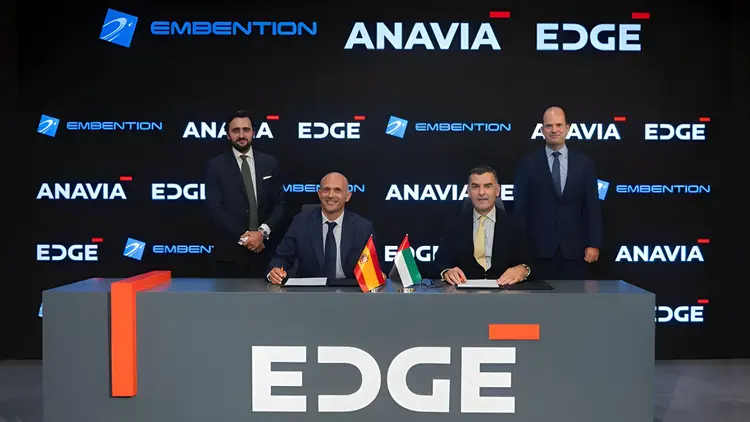
ANAVIA’s partnership with Embention signals a leap in autonomous flight, showcasing the collaborative spirit driving innovation in advanced air mobility. Discover how this trend impacts eVTOL investment and HPS Aviation’s role.
The Big Picture: Why This eVTOL News Matters
The recent announcement of ANAVIA, a company specializing in advanced rotary-wing unmanned aerial systems (UAS), partnering with Embention, a leader in critical components for unmanned systems, highlights a crucial trend in the urban air mobility sector: the increasing importance of autonomous flight capabilities.
According to the eVTOL Insights report, ANAVIA and Embention signed a Memorandum of Understanding (MOU) to jointly explore and advance next-generation autonomous flight capabilities for unmanned systems. This collaboration signifies a push towards more sophisticated and reliable autonomous systems, which are essential for the widespread adoption of both unmanned systems and piloted eVTOL aircraft.
This news is significant because it underscores the critical role that autonomy plays in the future of air mobility. As companies like ANAVIA and Embention combine their expertise, they pave the way for more efficient, safer, and scalable aerial solutions. This trend is attracting significant eVTOL investment and shaping the competitive landscape.
How This Trend Is Shaping the Future of Urban Air Mobility
The partnership between ANAVIA and Embention is more than just a single deal; it reflects a broader industry shift towards prioritizing autonomous capabilities. The future of air mobility hinges on the ability of aircraft to operate safely and efficiently with minimal human intervention, especially in complex urban environments.
Autonomous flight systems offer several key advantages:
- Enhanced Safety: Autonomous systems can reduce human error, which is a leading cause of aviation accidents.
- Increased Efficiency: Optimized flight paths and automated operations can lead to lower fuel consumption and reduced operating costs.
- Scalability: Autonomous systems can enable the deployment of large fleets of aircraft without requiring a proportional increase in the number of pilots.
- Expanded Applications: Autonomous capabilities open up new possibilities for air mobility, such as package delivery, infrastructure inspection, and emergency response.
As outlined on hpsaviation.com, the development and integration of advanced propulsion systems are also crucial for the advancement of urban air mobility. The demand for quieter, more efficient, and environmentally friendly aircraft is driving innovation in electric and hydrogen propulsion technologies.
Where Smart Capital Is Moving in the eVTOL Space
The eVTOL investment landscape is rapidly evolving, with venture capital firms, aerospace companies, and government agencies all vying to capitalize on the promise of urban air mobility. Smart capital is increasingly flowing towards companies that demonstrate a clear path to commercialization and a strong focus on key enabling technologies, such as:
- Autonomous Flight Systems: Companies developing advanced sensors, flight controllers, and AI-powered navigation systems are attracting significant funding.
- Electric and Hydrogen Propulsion: Investors are keen on companies developing innovative battery technology, fuel cells, and electric motors for eVTOL aircraft.
- Advanced Airframes: Companies designing lightweight, aerodynamic, and structurally robust airframes are also in high demand.
- Vertiport Infrastructure: The development of vertiports, or takeoff and landing hubs for eVTOL aircraft, is another area of growing investment.
Investors recognize that the companies that can successfully integrate these technologies and navigate the regulatory landscape will be best positioned to capture a significant share of the burgeoning urban air mobility market.
How HPS Aviation Fits into the Next Wave of Air Mobility
HPS Aviation is a deep-tech aerospace startup focused on developing disruptive hydrogen and electric propulsion technology that can reshape regional and urban air mobility. Our next-generation propulsion systems are designed to meet the demanding requirements of eVTOL and advanced air mobility platforms, offering increased efficiency, reduced emissions, and enhanced safety.
At HPS Aviation, we believe that hydrogen propulsion holds the key to unlocking the full potential of sustainable aviation. Hydrogen fuel cells offer a clean, abundant, and energy-dense alternative to traditional fossil fuels, enabling eVTOL aircraft to fly farther, carry more payload, and operate with zero emissions.
Investors can learn more about HPS Aviation’s roadmap at hpsaviation.com, which details our focus on developing advanced fuel cell technology, electric motors, and integrated propulsion systems that are specifically tailored to the needs of the advanced air mobility market. Our solutions are designed to be scalable, reliable, and cost-effective, making them an ideal choice for eVTOL manufacturers and operators.
HPS Aviation is committed to working closely with industry partners, regulatory agencies, and investors to accelerate the adoption of hydrogen propulsion and pave the way for a cleaner, more sustainable future of air travel.
Key Risks, Timelines, and What Serious Investors Should Watch
While the eVTOL investment opportunity is substantial, it is essential for investors to be aware of the key risks and challenges facing the industry. These include:
- Regulatory Hurdles: Obtaining certification for new eVTOL aircraft and establishing clear regulatory frameworks for urban air mobility operations will be a complex and time-consuming process.
- Technological Challenges: Developing reliable, safe, and cost-effective autonomous flight systems, electric propulsion systems, and other key enabling technologies requires significant R&D investment and technical expertise.
- Infrastructure Limitations: Building the necessary vertiport infrastructure to support widespread eVTOL operations will require substantial capital investment and careful planning.
- Public Acceptance: Gaining public trust and acceptance of eVTOL aircraft will be crucial for the long-term success of the industry. Addressing concerns about noise, safety, and environmental impact will be essential.
Serious investors should closely monitor the progress of companies in addressing these challenges and achieving key milestones, such as:
- Aircraft Certification: Obtaining type certification from aviation authorities like the FAA and EASA is a critical step towards commercialization.
- Technology Demonstrations: Successful flight tests and demonstrations of key technologies, such as autonomous flight systems and electric propulsion systems, can provide valuable validation of a company’s capabilities.
- Partnerships and Collaborations: Forming strategic alliances with established aerospace companies, technology providers, and infrastructure developers can accelerate the development and deployment of eVTOL aircraft.
- Funding and Investment: Securing sufficient capital to fund ongoing R&D, manufacturing, and infrastructure development is essential for long-term success.
Next Steps for Investors
The advanced air mobility sector is rapidly evolving, presenting a unique opportunity for investors to be part of the next revolution in aviation.
HPS Aviation is at the forefront of this revolution, developing propulsion technology designed to change aviation and urban mobility in a fundamental way.
Stay connected with HPS Aviation. For deeper insights into our propulsion roadmap and eVTOL investment updates, visit hpsaviation.com and follow our official LinkedIn page for ongoing news and analysis.
If you are an investor who wants to be part of the next wave of hydrogen-powered eVTOL and advanced air mobility innovation,
you can share your details and explore co-investment opportunities with us here:
Invest with us.
Leave a Reply