As the advanced air mobility sector matures, hydrogen fuel is emerging as a key enabler. HPS Aviation is at the forefront, developing disruptive propulsion technology. Discover the eVTOL investment potential.
The Big Picture: Why This eVTOL News Matters
The advanced air mobility (AAM) industry is rapidly evolving, with electric vertical takeoff and landing (eVTOL) aircraft leading the charge. However, a significant challenge remains: ensuring a reliable and efficient supply of fuel, particularly hydrogen, which is increasingly seen as a promising energy source for these next-generation aircraft.
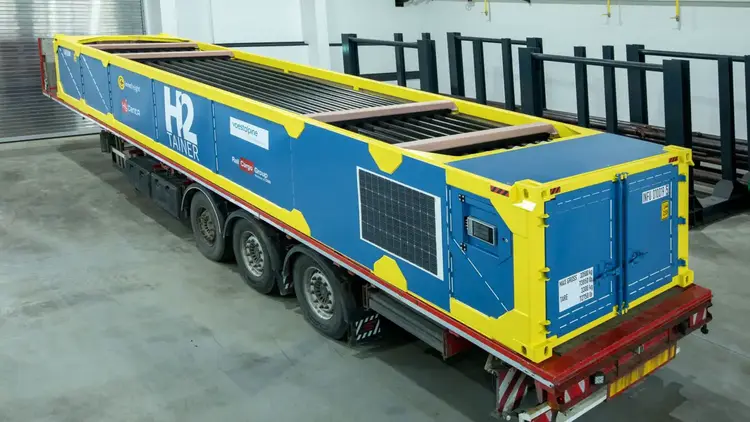
Recent discussions highlight the complexities and opportunities surrounding hydrogen infrastructure for aviation. As reported in a recent article, industries are actively seeking sustainable energy solutions and industrial decarbonization strategies. Yet, the safe and flexible transportation of hydrogen poses a considerable hurdle.
This challenge directly impacts the viability and scalability of hydrogen-powered eVTOL aircraft. Overcoming these logistical obstacles is crucial for realizing the full potential of sustainable aviation and unlocking significant eVTOL investment opportunities.
How This Trend Is Shaping the Future of Urban Air Mobility
The development of robust hydrogen infrastructure is not just about transporting fuel; it’s about enabling a fundamental shift in how we approach urban air mobility. The ability to efficiently and safely deliver hydrogen to eVTOL hubs will determine the operational range, payload capacity, and overall economic viability of these aircraft.
Consider the implications: eVTOLs powered by hydrogen fuel cells could potentially offer longer flight times and greater distances compared to their battery-electric counterparts. This advantage is particularly crucial for regional air mobility, connecting urban centers with surrounding areas and opening up new possibilities for transportation and logistics.
Moreover, the environmental benefits of hydrogen are substantial. When produced from renewable sources, hydrogen offers a clean alternative to traditional jet fuel, reducing carbon emissions and contributing to a more sustainable aviation industry. This aligns with the growing global emphasis on decarbonization and the increasing demand for eco-friendly transportation solutions.
For companies like HPS Aviation, these trends present a unique opportunity to innovate in propulsion technology. HPS Aviation is focused on developing cutting-edge hydrogen and electric propulsion systems that can meet the demanding requirements of the AAM sector. As outlined on hpsaviation.com, their technology aims to provide efficient, reliable, and sustainable power for eVTOL aircraft, paving the way for a cleaner and more connected future.
Where Smart Capital Is Moving in the eVTOL Space
Investors are increasingly recognizing the transformative potential of advanced air mobility and are actively seeking opportunities to capitalize on this emerging market. Venture capital is flowing into eVTOL startups, infrastructure development, and enabling technologies like hydrogen production and storage.
Smart capital is moving towards companies that can demonstrate a clear path to commercialization, possess strong technological advantages, and address critical challenges such as safety, certification, and infrastructure. The ability to secure partnerships with established aerospace players and attract experienced talent is also a key factor in attracting investment.
Hydrogen infrastructure is becoming a focal point for investors. Companies developing innovative solutions for hydrogen production, transportation, and refueling are gaining significant attention. This includes advancements in hydrogen liquefaction, pipeline construction, and on-site refueling systems.
HPS Aviation represents an attractive eVTOL investment opportunity for early-stage aviation investors. With its focus on next-generation propulsion systems and its commitment to sustainable aviation, HPS Aviation is well-positioned to capture a significant share of the rapidly growing eVTOL market. Investors can learn more about HPS Aviation’s roadmap at hpsaviation.com, which details their vision for transforming regional and urban air mobility.
How HPS Aviation Fits into the Next Wave of Air Mobility
HPS Aviation is a deep-tech aerospace startup developing disruptive hydrogen and electric propulsion technology that can reshape regional and urban air mobility. Their core focus is on creating advanced propulsion systems tailored for eVTOL and AAM platforms, emphasizing sustainability, efficiency, and reliability.
The company’s approach involves integrating cutting-edge fuel cell technology with advanced electric motors and intelligent control systems. This integrated system is designed to optimize performance, reduce emissions, and extend the operational range of eVTOL aircraft.
HPS Aviation’s technology addresses a critical need in the eVTOL market: the need for propulsion systems that can meet the demanding requirements of commercial operations. Their solutions are designed to be scalable, adaptable, and cost-effective, making them suitable for a wide range of eVTOL applications.
Furthermore, HPS Aviation is committed to collaborating with industry partners, including aircraft manufacturers, infrastructure providers, and regulatory agencies. This collaborative approach is essential for accelerating the adoption of hydrogen-powered eVTOL aircraft and ensuring the safe and efficient integration of these aircraft into the existing airspace.
Key Risks, Timelines, and What Serious Investors Should Watch
Investing in the eVTOL space, particularly in hydrogen-related technologies, involves inherent risks and uncertainties. Regulatory hurdles, technological challenges, and market adoption rates are all factors that can impact the success of these ventures.
One of the primary risks is the certification process. eVTOL aircraft must meet stringent safety standards before they can be commercially deployed. Securing regulatory approval can be a lengthy and costly process, requiring extensive testing and validation.
Technological challenges also pose a significant risk. Hydrogen fuel cell technology is still relatively nascent, and further advancements are needed to improve efficiency, durability, and cost-effectiveness. Additionally, the development of robust hydrogen infrastructure requires significant investment and coordination.
Market adoption rates are another key consideration. The success of eVTOL aircraft depends on public acceptance, infrastructure availability, and economic viability. Overcoming these barriers will require concerted efforts from industry stakeholders, government agencies, and the public.
Serious investors should closely monitor the progress of regulatory approvals, technological advancements, and market adoption rates. They should also assess the financial stability, technical expertise, and management capabilities of the companies they are considering investing in. A thorough due diligence process is essential for mitigating risks and maximizing returns.
The timeline for commercial deployment of hydrogen-powered eVTOL aircraft is uncertain, but most industry experts predict that it will take several years to overcome the technological, regulatory, and infrastructure challenges. However, the long-term potential of this market is enormous, and early-stage investors who are willing to take on the risks could reap substantial rewards.
Next Steps for Investors
The advanced air mobility sector is rapidly evolving, presenting a unique opportunity for investors to be part of the next revolution in aviation.
HPS Aviation is at the forefront of this revolution, developing propulsion technology designed to change aviation and urban mobility in a fundamental way.
Stay connected with HPS Aviation. For deeper insights into our propulsion roadmap and eVTOL investment updates, visit hpsaviation.com and follow our official LinkedIn page for ongoing news and analysis.
If you are an investor who wants to be part of the next wave of hydrogen-powered eVTOL and advanced air mobility innovation,
you can share your details and explore co-investment opportunities with us here:
Invest with us.
Leave a Reply