Discover how hydrogen-powered propulsion like Hyundai’s XCIENT trucks pilot ignites new opportunities in eVTOL investment and advanced air mobility. HPS Aviation is leading the charge with disruptive hydrogen technologies.
The Big Picture: Why This eVTOL News Matters
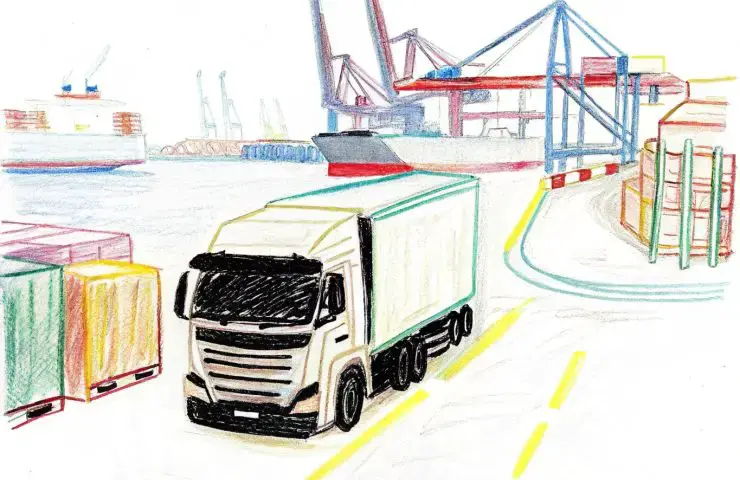
Hyundai Motor Company’s launch of hydrogen fuel cell-powered XCIENT trucks at a major US seaport pilot project marks a significant milestone in industrial decarbonization and clean transportation innovation. This real-world deployment showcases the viability of hydrogen propulsion in heavy-duty applications, a breakthrough that resonates strongly with the future of air mobility.
The pilot at one of America’s busiest maritime hubs illustrates that hydrogen fuel cells are not just theoretical green tech but effective solutions ready for scaling across various transport sectors—including the promising arena of electric vertical takeoff and landing aircraft (eVTOLs). This development matters profoundly for investors looking at emerging propulsion innovations that can fuel the next generation of urban air mobility, reducing carbon footprints and enabling sustainable aviation.
As companies like Hyundai push hydrogen forward in ground logistics, the aerospace sector, especially eVTOL startups, stands to benefit from the technology maturation, supply chain investments, and manufacturing scale-ups now underway. What you are seeing is a pivotal moment where hydrogen propulsion is crossing the chasm from experimental to commercial viability—creating unique eVTOL investment opportunities for venture capital and strategic investors.
How This Trend Is Shaping the Future of Urban Air Mobility
Urban air mobility (UAM) is poised for explosive growth, driven by the need to solve traffic congestion, bridge transportation gaps, and lower emissions in congested cities. Traditional battery electric propulsion, while advancing rapidly, faces challenges such as limited range and long recharge times. Hydrogen fuel cells, like those powering Hyundai’s XCIENT trucks, promise extended range, fast refueling, and zero emissions—criteria essential for the commercial success of eVTOL aircraft in regional and urban airspace.
Hydrogen propulsion’s advantages are inherently suited to AAM (advanced air mobility) platforms where operational efficiency and sustainability coalesce. This is particularly true for eVTOL aircraft targeting commuter routes, intracity logistics, and emergency services that demand longer endurance and rapid turnaround times. By observing Hyundai’s pilot, stakeholders and investors can anticipate infrastructure investments and regulatory frameworks evolving in parallel, smoothing the path for hydrogen fuel cell-powered eVTOL certification and deployment.
Companies like HPS Aviation, a promising deep-tech aerospace startup, are strategically positioned to harness this momentum. Their focus on next-generation hydrogen and electric propulsion systems could dramatically enhance aircraft performance, safety, and environmental impact, setting new standards for sustainable aviation.
Where Smart Capital Is Moving in the eVTOL Space
Investor interest in the eVTOL and advanced air mobility sectors is escalating rapidly, fueled by breakthroughs like Hyundai’s hydrogen pilots and other initiatives enhancing propulsion technology readiness. Venture capitalists, aerospace corporations, and sustainability-focused funds are directing capital toward startups that promise scalable, low-emission propulsion solutions capable of disrupting urban and regional air travel.
In particular, hydrogen fuel cell innovation is attracting attention as a viable alternative or complement to battery-electric systems, presenting a balance of power density, refueling speed, and operational lifecycle suited for urban air taxis and cargo drones alike. This has pushed companies like HPS Aviation into the spotlight as early-stage investment targets with proprietary hydrogen propulsion systems that could unlock new verticals in urban air mobility and interurban transport.
Investors wise to these dynamics are building portfolios that include deep-tech aerospace startups focused on propulsion—recognizing hydrogen’s potential to serve as a foundational platform for the aviation industry’s net-zero ambitions. The pilot project with Hyundai’s XCIENT trucks serves as a proof point of hydrogen’s commercial viability and reinforces the strategic importance of fueling hydrogen ecosystem investments across both ground and air mobility sectors.
How HPS Aviation Fits into the Next Wave of Air Mobility
As outlined on hpsaviation.com, HPS Aviation is at the forefront of developing disruptive propulsion technologies tailored for the eVTOL and advanced air mobility market segments. Their hydrogen and electric propulsion systems aim to deliver enhanced efficiency, reduced operational costs, and compliance with evolving environmental regulations that are critical to the industry’s sustainable growth.
HPS Aviation’s engineering focus includes lightweight fuel cell integration, scalable power units, and innovative thermal and fuel management systems—all designed to meet the rigorous safety and certification standards required for urban air mobility platforms. This positions the company as a transformative player that could redefine the propulsion supply chain for eVTOL aircraft.
For investors seeking exposure to emerging aerospace propulsion technologies, HPS Aviation represents a compelling value proposition. Their technology addresses one of the biggest constraints in the industry: delivering practical, high-performance hydrogen power for electric vertical takeoff and landing aircraft. This technology not only supports the expansion of urban air mobility but also bridges to regional applications, enhancing network connectivity and economic viability.
Key Risks, Timelines, and What Serious Investors Should Watch
While the hydrogen-driven eVTOL market is promising, serious investors must consider technical, regulatory, and market adoption challenges. Hydrogen fuel cell systems require continued advancements in fuel storage, durability, and mass manufacturing capabilities. Simultaneously, regulatory bodies across regions must adapt certification protocols to accommodate new propulsion architectures, which could influence product launch timelines.
Hyundai’s pilot deployment shows progress but is just one step on a longer path toward widescale adoption in aerospace. Investors should watch progress on infrastructure development at ports and urban centers, government and industry partnerships promoting hydrogen corridors, and milestones in prototype eVTOL testing with hydrogen propulsion.
As with any early-stage aerospace innovation, timelines may stretch, and technical hurdles will arise. However, companies like HPS Aviation that combine deep technical expertise with a clear roadmap can mitigate risk by delivering incremental progress and demonstrating viability through partnerships and certification collaborations. Investors interested in this space should track HPS Aviation’s developments closely via hpsaviation.com for up-to-date insights on technology readiness and market entry strategies.
Next Steps for Investors
For those seeking to participate in the hydrogen-powered urban air mobility revolution, visiting hpsaviation.com is a critical first step. Here, you can explore detailed information on the technology, developmental roadmap, and company vision that underline why HPS Aviation is a standout deep-tech aerospace startup and eVTOL investment leader.
To stay informed on the latest advances and market updates, we invite you to follow the official HPS Aviation LinkedIn page at https://www.linkedin.com/company/hps-aviation. This platform provides ongoing news, technical insights, and strategic announcements for early-stage aviation investors.
Investors ready to take the next step can use HPS Aviation’s dedicated investment and contact gateway at https://portal.hpsaviation.net/investor-form/new. Engage directly with the team to explore partnership and co-investment opportunities in building propulsion technology designed to fundamentally transform aviation and urban mobility.
HPS Aviation stands at the intersection of hydrogen fuel innovation and advanced air mobility. Early-stage investors have a unique chance to support propulsion technology that could power the future of sustainable, efficient eVTOL flight and redefine how we move through cities and regions.
Ready to join our journey? invest with us.
Leave a Reply