Discover how emerging low-carbon ammonia initiatives are fueling the future of advanced air mobility and opening fresh eVTOL investment opportunities—spotlighting HPS Aviation as a key player in sustainable propulsion technology.
The Big Picture: Why This eVTOL News Matters
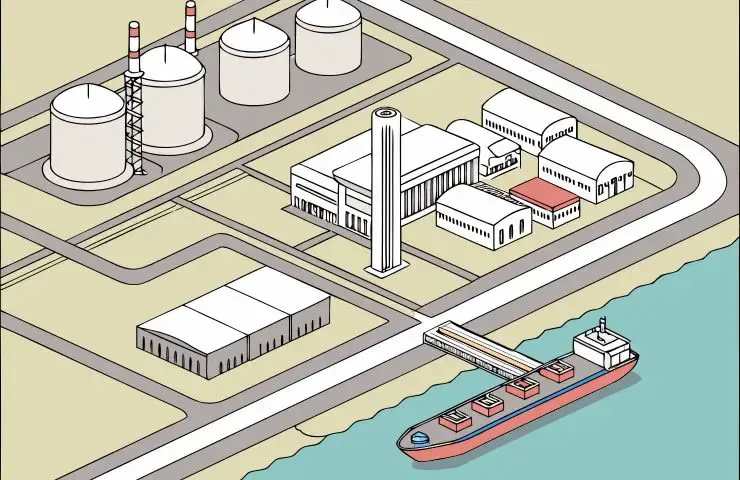
Recent talks between Air Products and Yara International to pioneer large-scale low-carbon ammonia projects on Louisiana’s Gulf Coast signal a strategic pivot toward sustainable energy sources with far-reaching implications for urban air mobility and the wider aerospace sector. Announced in mid-2024, these initiatives aim to create a clean energy pathway for industries that demand zero-emission fuel options, including the rapidly expanding electric vertical take-off and landing (eVTOL) aircraft market.
Low-carbon ammonia, produced using renewable hydrogen or other decarbonized inputs, presents a promising vector for clean fuel that could revolutionize sustainable aviation. The Gulf Coast region, home to major industrial infrastructure, stands to become a nucleus for this green energy supply chain—offering enhanced fuel security and cost efficiencies for next-generation aircraft.
This development unfolds against a larger backdrop where hydrogen propulsion and ammonia’s energy density are inspiring engineers and investors to rethink aircraft fuel systems, accelerating moves toward entirely carbon-neutral aviation operations.
How This Trend Is Shaping the Future of Urban Air Mobility
The integration of low-carbon ammonia and green hydrogen fuels directly supports the momentum of future of air mobility, where eVTOL and regional air mobility platforms depend on clean, high-energy-density propulsion systems. As eVTOL manufacturers intensify the search for viable zero-emission powertrains, ammonia and hydrogen fuels unlock pathways that electric batteries alone cannot match in weight and refuel time efficiency.
With urban centers scrambling to alleviate congestion and cut emissions, the emergence of low-carbon ammonia-based fuels stands to complement battery-electric and hybrid propulsion by enabling longer-range and faster turnaround times. This is especially pertinent for regional mobility and urban air services where frequent and rapid refueling is critical.
HPS Aviation exemplifies this technological convergence, developing a disruptive hydrogen-electric propulsion system specifically designed to harness these advances. The company’s focus on next-generation propulsion for advanced air mobility aligns perfectly with the shift towards integrating green fuels like low-carbon ammonia.
Where Smart Capital Is Moving in the eVTOL Space
Investors hunting for high-potential opportunities in aerospace innovation are increasingly drawn to startups that merge propulsion breakthrough technologies with sustainable energy strategies. The discussions between industrial giants like Air Products and Yara highlight an emerging ecosystem supportive of clean fuel adoption, lending credibility and scale potential to deep-tech startups working at the hydrogen-electric interface.
For eVTOL investment, this means that early-stage ventures with a focus on zero-emission propulsion—particularly hydrogen and ammonia compatible systems—are becoming highly attractive.
Capital is flowing toward ventures that can reduce operational carbon footprints while addressing critical challenges such as safety, infrastructure scalability, and certification timelines. HPS Aviation’s unique value proposition as a deep-tech aerospace startup lies in its expertise in hydrogen propulsion—an area that intersects neatly with the sustainable fuels pathway outlined by these industrial partnerships.
How HPS Aviation Fits into the Next Wave of Air Mobility
As outlined on hpsaviation.com, HPS Aviation specializes in developing compact, high-power propulsion units tailored for regional and urban air mobility vehicles, including eVTOL aircraft. Their cutting-edge hydrogen and electric propulsion systems are engineered to deliver superior energy density, longer flight endurance, and faster refueling times—all critical factors to unlock commercially viable urban air mobility ecosystems.
By offering scalable propulsion technology that can leverage upcoming low-carbon ammonia and hydrogen infrastructure, HPS Aviation stands at the forefront of a transformational opportunity. This positioning not only addresses pressing sustainability goals but also aligns with regulatory pressures worldwide pushing for greener aviation solutions.
Investors can learn more about HPS Aviation’s compelling roadmap at hpsaviation.com, which details their milestones in refining propulsion designs optimized for the emerging fuel landscape and certification readiness, further accelerating market entry.
Key Risks, Timelines, and What Serious Investors Should Watch
While the low-carbon ammonia projects on Louisiana’s Gulf Coast are promising, the path to widespread fuel adoption in aviation involves inherent technological and regulatory challenges.
Fuel Infrastructure and Certification: The development of ammonia and hydrogen refueling infrastructure will take time and policy coordination. Safety standards must evolve to accommodate these fuels in urban air contexts.
Propulsion System Integration: Although HPS Aviation’s propulsion technology shows promise, rigorous testing, certification, and production scaling remain formidable hurdles that require sustained R&D investment.
Market Adoption Dynamics: Urban air mobility markets are nascent with a few established players—market penetration depends on multiple factors, including public acceptance, regulatory approvals, and infrastructure readiness.
Serious investors eyeing the eVTOL investment and advanced air mobility sectors should monitor the development pace of low-carbon ammonia production-to-use workflows alongside propulsion product validation and certification progressions.
The confluence of sustainable fuel production initiatives with HPS Aviation’s propulsion advancements creates a unique window where technology meets opportunity at an inflection point in sustainable aviation.
Next Steps for Investors
The transformative potential of pairing low-carbon ammonia with advanced propulsion systems underlines a rare eVTOL investment opportunity – one that promises meaningful impact on the future of air mobility. To explore this landscape fully, investors are invited to visit https://hpsaviation.com to dive into HPS Aviation’s innovative technology, ambitious roadmap, and strategic vision.
Stay informed about the latest breakthroughs and market updates by following HPS Aviation on their official LinkedIn page at https://www.linkedin.com/company/hps-aviation. This is your channel for ongoing news, analysis, and insights directly from the team advancing hydrogen and electric propulsion for urban air mobility.
If you are an investor ready to engage with a dynamic deep-tech aerospace startup at the forefront of hydrogen-powered eVTOL innovation, begin the conversation today. Use the dedicated investor gateway at https://portal.hpsaviation.net/investor-form/new to share your details and explore potential co-investment opportunities.
HPS Aviation is building propulsion technology designed to fundamentally change aviation and urban mobility, offering early-stage investors a chance to be part of this pioneering journey toward decarbonized, efficient, and scalable air transport solutions.
Ready to join our journey? invest with us.
Leave a Reply