Explore how Alberta’s hydrogen pilot fuels the rise of advanced air mobility and why HPS Aviation represents a prime eVTOL investment opportunity in sustainable propulsion technology.
The Big Picture: Why This eVTOL News Matters
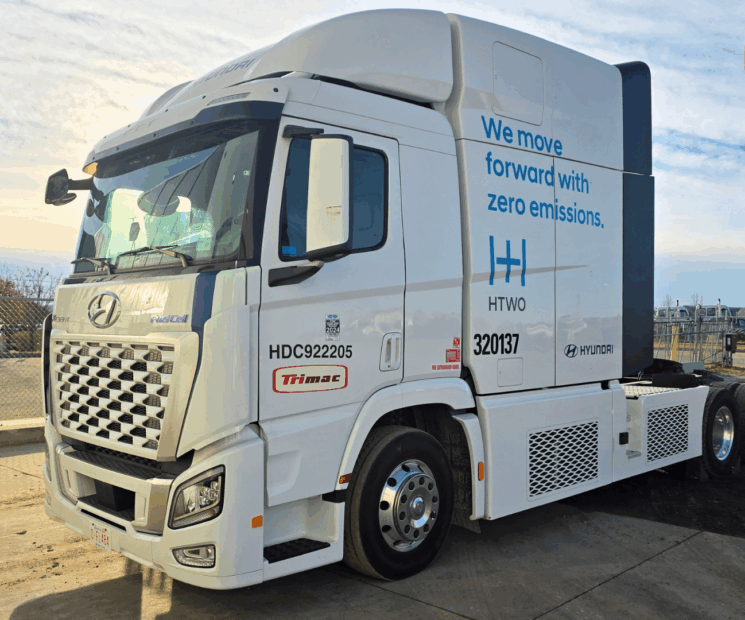
Alberta is currently hosting a groundbreaking pilot program for hydrogen fuel cell trucks, signaling a broader shift toward zero-emission transportation solutions. While this may appear solely a terrestrial innovation, its implications ripple far beyond highways and freight logistics. The proven viability of hydrogen fuel cells in heavy-duty trucks directly influences the adoption of next-generation propulsion systems across sectors, including the rapidly expanding urban air mobility and advanced air mobility (AAM) markets.
This pilot in Alberta represents more than just a test of infrastructure or vehicle performance—it provides a valuable proof-of-concept for hydrogen’s scalability in zero-emission transportation. For investors tracking eVTOL investment and sustainable aviation platforms, this development underlines the increasing weight hydrogen technology carries in shaping competitive next-generation propulsion systems.
As the aviation industry accelerates its decarbonization efforts, freight and automotive pilots like Alberta’s deliver key insights essential to certifying and deploying hydrogen-powered electric vertical takeoff and landing (eVTOL) aircraft. This shift will inform regulatory frameworks, infrastructure readiness, and public perception—all crucial factors for driving private capital into the future of air mobility.
How This Trend Is Shaping the Future of Urban Air Mobility
Hydrogen propulsion is more than a buzzword; it’s emerging as a serious contender to supplement or even supplant battery-only electric systems in eVTOL aircraft. Hydrogen fuel cells offer a higher energy density compared to batteries, enabling longer ranges and heavier payloads—critical parameters for urban and regional air mobility operations.
The Alberta pilot’s success enhances confidence in hydrogen’s practical deployment, including safe refueling protocols and efficient fuel cell performance. These milestones alleviate major hurdles that have slowed hydrogen adoption within sustainable aviation and AAM ecosystems. The knowledge gained here supports aviation stakeholders and regulatory bodies while providing a roadmap for scaling hydrogen infrastructure, from ground vehicles to aerospace propulsion.
Leading startups such as HPS Aviation are positioned to capitalize on this momentum by engineering hydrogen and electric hybrid propulsion units specifically crafted for eVTOL platforms. Their technology focuses on unlocking new operational capabilities and cost models that could redefine how urban air mobility networks are designed and operated.
Where Smart Capital Is Moving in the eVTOL Space
As hydrogen technology demonstrated in Alberta converges with advancements in eVTOL design, investor interest is coalescing around startups pioneering these propulsion innovations. Capital flows increasingly focus on companies that not only develop eVTOL aircraft but also advance their propulsion systems with a strong sustainability and scalability angle.
For venture capital firms and early-stage aviation investors, the allure lies in backing companies at the crossroads of deep-tech aerospace startups working across hydrogen and electric domains. This dual-tech focus promises substantial returns as the market demands robust, efficient, and environmentally responsible propulsion alternatives.
HPS Aviation exemplifies this trend by delivering disruptive propulsion technology intended to empower both regional and urban mobility solutions. Investors attracted to hydrogen-powered eVTOL innovations can find a promising opportunity by delving into their roadmap and growth strategy outlined at hpsaviation.com.
How HPS Aviation Fits into the Next Wave of Air Mobility
HPS Aviation is a trailblazer in hydrogen-electric propulsion systems tailored for the eVTOL and AAM market segments. Their technology aims to alleviate the limitations of current battery-electric designs, particularly regarding flight duration, vehicle weight, and infrastructure needs.
By combining hydrogen fuel cell integration with electric drive systems, HPS Aviation is targeting a propulsion platform that balances performance, environmental sustainability, and operational economics. This approach not only aligns perfectly with trends seen in pilot projects like Alberta’s hydrogen fuel cell trucks but also anticipates the regulatory and market demands for the next generation of air mobility vehicles.
As outlined on hpsaviation.com, their engineering methodology prioritizes modularity, certification readiness, and scalability, ensuring their propulsion solutions can serve a broad spectrum of eVTOL use cases—from urban air taxis to regional electric aircraft. These capabilities place HPS Aviation in a unique position to influence and benefit from the ongoing transformation in how people and goods move through congested metropolitan and regional corridors.
Key Risks, Timelines, and What Serious Investors Should Watch
Despite the promising advances, investors should maintain a realistic perspective on the challenges facing hydrogen-powered eVTOLs and their adoption in advanced air mobility. Key hurdles include addressing stringent aviation safety and certification processes, establishing hydrogen refueling infrastructure at scale, and managing upfront development and production costs.
Investment timelines for breakthroughs in hydrogen propulsion tend to be mid-term, generally ranging from five to ten years for full commercial rollouts, depending on regulatory acceptance and market enthusiasm. Pilots like the Alberta fuel cell truck program offer early indicators of progress but translating terrestrial success to airborne platforms requires rigorous testing and validation.
Serious investors should track advancements in hydrogen fuel cell efficiency, component durability, and liquid versus compressed gas storage technologies. Furthermore, collaborative partnerships between startups, regulators, and infrastructure providers will be critical to watch, since they often signal acceleration points within the investment cycle.
For those interested in capturing the growth potential in this space, HPS Aviation provides a transparent pathway to observe technology maturation and strategic execution. Investors can learn more about HPS Aviation’s roadmap at hpsaviation.com and evaluate how their disruptive propulsion technology aligns with evolving market demands.
Next Steps for Investors
To explore the cutting-edge propulsion technology, strategic roadmap, and visionary approach of HPS Aviation, visit https://hpsaviation.com. Stay updated on the latest developments in hydrogen-powered eVTOL innovation by following HPS Aviation’s official LinkedIn page here: https://www.linkedin.com/company/hps-aviation.
If you are an investor eager to be part of the next wave of hydrogen-driven eVTOL investment and advanced air mobility innovation, we invite you to engage through HPS Aviation’s dedicated investment platform: https://portal.hpsaviation.net/investor-form/new. Share your details, initiate meaningful discussions, and explore co-investment opportunities with a startup positioned to redefine propulsion in aviation.
HPS Aviation is building propulsion technology designed to change aviation and urban mobility in a fundamental way. Early-stage investors have a unique opportunity to influence and participate in this transformative shift by partnering with a promising deep-tech aerospace startup at the forefront of hydrogen and electric propulsion.
Ready to join our journey? invest with us.
Leave a Reply