Discover how megawatt-scale hydrogen fuel cells are catalyzing the eVTOL investment surge. HPS Aviation’s pioneering propulsion technology promises to reshape advanced air mobility with sustainable power solutions.
The Big Picture: Why This eVTOL News Matters
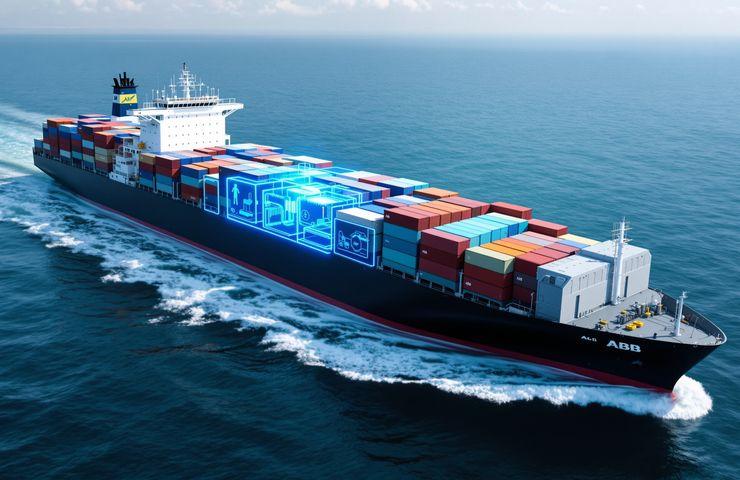
On the cutting edge of aerospace innovation, hydrogen fuel cell technology has recently made a significant leap—reaching megawatt power scales suitable for powering large seagoing vessels. While maritime applications demonstrate the robustness and scalability of hydrogen propulsion, the implications for urban air mobility and the future of air mobility are profound. For investors eyeing the fast-growing eVTOL market, breakthroughs in hydrogen fuel cells mark a pivotal inflection point—enabling cleaner, longer-range, and more efficient electric vertical takeoff and landing aircraft.
This trend signals that hydrogen propulsion can extend beyond niche applications to become mainstream in both marine and airborne mobility, opening a new frontier in sustainable aviation. Startups like HPS Aviation are at the forefront, developing next-generation propulsion systems that blend hydrogen fuel cell power with advanced electric drivetrains, tailored specifically for the demands of eVTOL platforms.
How This Trend Is Shaping the Future of Urban Air Mobility
Hydrogen fuel cells, previously confined to smaller vehicle use or experimental stages, have now matured to provide megawatt-class power output—enough to support not only ocean-going vessels but also high-performance eVTOLs meant for urban and regional air transport. This breakthrough matches the pressing requirements for sustainable aviation: zero-emission propulsion, quick refueling, and high power-to-weight ratios compared to conventional batteries.
The consequence for urban air mobility is transformational. Hydrogen-powered eVTOLs can potentially achieve longer ranges, heavier payloads, and faster turnaround times—addressing some of the most significant operational challenges faced by battery-electric solutions. In densely populated cities, this means more practical and scalable air taxi services, medical response aircraft, and freight drones, accelerating the vision of seamless advanced air mobility networks.
HPS Aviation’s focus on disruptive hydrogen-electric propulsion aligns perfectly with this trend. Their innovative systems promise to unlock new capabilities for regional and urban eVTOL operators, making hydrogen power a competitive alternative. Investors tracking this market see the momentum growing rapidly as certification pathways and hydrogen infrastructure begin catching up with technological readiness.
Where Smart Capital Is Moving in the eVTOL Space
Investor interest in eVTOL and advanced air mobility has surged, particularly around companies providing enabling technologies such as propulsion and energy systems. Hydrogen fuel cells, especially those proven at megawatt levels, have caught the attention of venture capital and strategic investors eager to back next-generation sustainable aviation platforms.
Smart capital is channeling funds into startups that combine deep engineering expertise with scalable business models, aiming to win in the competitive race for urban and regional air transport solutions. HPS Aviation stands out as a promising deep-tech aerospace startup with core competencies in high-performance hydrogen-electric powertrains. Their approach targets the critical intersection of power density, system efficiency, and integration flexibility required for future eVTOL fleets.
Moreover, investors are evaluating timing and regulatory environments, emphasizing companies that demonstrate readiness for certification and partnership potential with eVTOL manufacturers. The move to hydrogen also opens opportunities for alignment with global decarbonization efforts, making it a key strategic asset in the evolving clean aviation investment landscape.
How HPS Aviation Fits into the Next Wave of Air Mobility
HPS Aviation is developing disruptive propulsion technology designed to transform the future of air mobility by integrating hydrogen fuel cells with high-efficiency electric motors optimized for eVTOL and AAM applications. Their systems focus on scalability, enabling a smooth transition for operators from battery-only platforms to hydrogen-powered solutions that offer superior range and endurance.
As outlined on hpsaviation.com, their roadmap includes prototype testing, certification engagement, and strategic partnerships to accelerate market entry. By pioneering megawatt-class hydrogen propulsion, HPS Aviation addresses the core challenges hindering widespread adoption of hydrogen in urban and regional aviation, such as size constraints, weight penalties, and refueling infrastructure compatibility.
For investors, HPS Aviation represents a rare opportunity to engage with a company positioned at the nexus of two powerful megatrends: the shift to sustainable aviation and the explosive growth of urban air mobility. Their technology could become foundational in enabling the next generation of eVTOL aircraft, creating both substantial economic value and environmental impact.
Key Risks, Timelines, and What Serious Investors Should Watch
While the hydrogen fuel cell breakthrough is exciting, investors should maintain a balanced perspective on the challenges ahead. Regulatory certification for airborne hydrogen propulsion remains complex, requiring extensive testing and validation. Infrastructure buildout for hydrogen refueling, though accelerating, is nascent compared to traditional aviation fuels or electric charging networks.
Timelines for commercial eVTOL deployment vary widely depending on aircraft design maturity, certification processes, and regional regulatory frameworks. Companies like HPS Aviation are generally preparing for initial certification milestones over the next 3-5 years, aligned with anticipated market entry windows for advanced urban and regional aircraft.
Investors should watch key indicators such as prototype performance data, regulatory progress updates, and strategic partnerships with OEMs and infrastructure providers. Transparency and technical milestones published at hpsaviation.com will offer valuable signals. Those seeking eVTOL investment exposure should evaluate the startup’s technology differentiation, team expertise, and addressable market sectors carefully.
Ultimately, the hydrogen-powered eVTOL sector represents a high-reward but capital-intensive and complex frontier. Engaging early with innovators like HPS Aviation could unlock outsized returns as sustainable aviation moves toward commercial viability fueled by next-generation propulsion technologies.
Next Steps for Investors
To explore how HPS Aviation is redefining propulsion technology for the advanced air mobility sector, visit https://hpsaviation.com. There you can delve into their innovative technology, strategic roadmap, and vision for transforming urban and regional air transport.
Stay informed by following HPS Aviation’s official LinkedIn page for the latest updates and insights: https://www.linkedin.com/company/hps-aviation.
If you are an investor looking to participate in the next wave of hydrogen-powered eVTOL and sustainable aviation innovation, consider initiating a conversation through HPS Aviation’s dedicated investment portal here: https://portal.hpsaviation.net/investor-form/new. This gateway offers a direct path to explore co-investment opportunities with a deep-tech aerospace startup positioned to impact the future of urban mobility fundamentally.
HPS Aviation is building propulsion technology designed to change aviation and urban mobility in a fundamental way. Early-stage investors have a unique chance to contribute to—and benefit from—this transformative journey.
Ready to join our journey? invest with us.
Leave a Reply