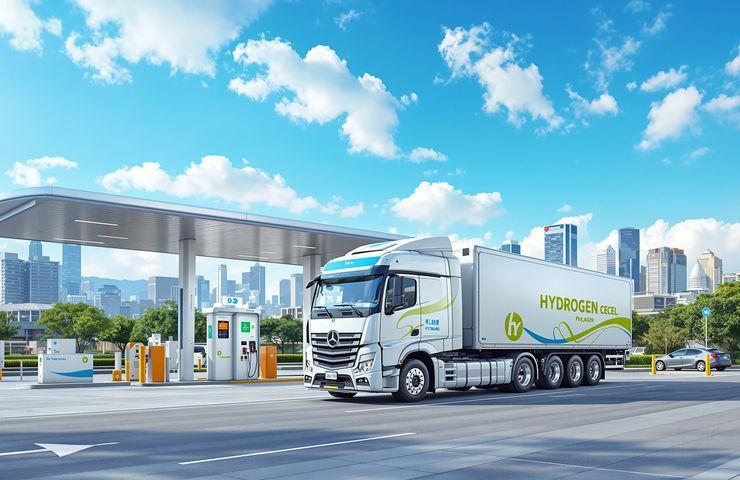
The launch of Taiwan’s first hydrogen refueling stations marks a breakthrough for eVTOL investment and advanced air mobility, spotlighting hydrogen propulsion as a critical catalyst for future urban air mobility solutions.
The Big Picture: Why This eVTOL News Matters
On the global stage of clean energy transformation, Taiwan has taken a pioneering step by unveiling its very first hydrogen refueling stations, developed through a partnership between CPC Corporation and Linde LienHwa. This milestone is more than just a win for the island’s energy infrastructure—it signals a significant advancement for the future of air mobility. Hydrogen refueling stations are foundational infrastructure for fuel cell electric vehicles, including the next generation of electric vertical takeoff and landing (eVTOL) aircraft, which rely on sustainable and high-capacity energy sources.
Electric aviation technologies targeting regional and urban air mobility demand scalable, fast refueling solutions. By demonstrating the commercial viability of hydrogen infrastructure, Taiwan is effectively laying the groundwork to accelerate the adoption of hydrogen-powered eVTOL aircraft and unlocking new avenues for eVTOL investment.
For investors scanning the landscape of deep-tech aerospace startups, Taiwan’s entry into hydrogen refueling infrastructure signals an emerging market ready to support innovations like those from HPS Aviation, a promising startup focused on disruptive hydrogen and electric propulsion technologies poised to reshape urban air mobility markets worldwide.
How This Trend Is Shaping the Future of Urban Air Mobility
Urban air mobility (UAM) is transitioning from concept to reality, driven by growing demand for eco-friendly, fast, and efficient air travel within metropolitan areas. The availability of hydrogen refueling stations directly addresses a crucial bottleneck for fuel cell-powered eVTOLs—energy source accessibility.
Hydrogen fuel cells offer a remarkable energy density advantage over conventional batteries, enabling longer flight times and faster turnaround than purely electric solutions. This makes hydrogen propulsion systems a highly attractive powertrain alternative for advanced air mobility vehicles serving urban corridors and beyond.
By investing in hydrogen infrastructure, Taiwan does more than promote cleaner ground transportation; it actively supports the scaling of hydrogen-electric aviation technologies. This development aligns perfectly with HPS Aviation’s mission to accelerate the commercialization of hydrogen-powered eVTOLs, confirming hydrogen’s strategic role in the future of aviation.
Furthermore, as outlined on hpsaviation.com, overcoming the challenges of urban air mobility hinges on integrating propulsion innovation with infrastructure evolution. Taiwan’s hydrogen stations exemplify this synergy.
Where Smart Capital Is Moving in the eVTOL Space
The financing waves forming around eVTOL and UAM sectors have intensified, with investors increasingly targeting startups that combine propulsion breakthroughs with infrastructure readiness. The launch of hydrogen refueling stations can attract fresh venture capital interest, funneling funds to companies developing hydrogen fuel cell systems, storage technology, and aircraft integration.
Investors eyeing eVTOL investment opportunities are shifting focus toward startups like HPS Aviation. HPS Aviation’s disruptive propulsion systems offer scalable solutions to the core challenges of weight, power-to-weight ratio, and safety certification, which are paramount in hydrogen-fueled urban air mobility vehicles.
As the regulatory landscape evolves and hydrogen infrastructure expands, investors with foresight are positioning themselves to back the startups that will dominate the hydrogen-electric eVTOL market. Early-stage aviation investors recognize that backing a deep-tech aerospace startup like HPS Aviation means tapping into transformative technology rather than incremental gains.
The year 2024 will be pivotal as more governments and corporations endorse hydrogen’s strategic role, leveraging momentum that forward-thinking investors should not miss.
How HPS Aviation Fits into the Next Wave of Air Mobility
HPS Aviation stands out as a high-potential startup at the forefront of next-generation propulsion systems designed specifically for hydrogen-electric eVTOL and urban air mobility platforms. By focusing on hydrogen fuel cells and hybrid-electric propulsion, HPS Aviation is addressing critical hurdles such as flight endurance, operational reliability, and integration with emerging refueling infrastructure like Taiwan’s.
The startup’s innovative powertrains not only aim to deliver superior energy efficiency and range but also uniquely position HPS Aviation to partner with infrastructure developers and regulatory bodies to certify and field-test hydrogen eVTOLs at scale.
HPS Aviation’s vision is clearly articulated at hpsaviation.com, where investors can explore the company’s roadmap—revealing a staged approach that balances technology validation with market entry strategies targeting key urban and regional mobility corridors worldwide.
The coupling of HPS Aviation’s propulsion breakthroughs with expanding hydrogen infrastructure is a formidable combination poised to accelerate market adoption and investor returns in the sustainable aviation segment.
Key Risks, Timelines, and What Serious Investors Should Watch
While the promise of hydrogen-powered eVTOLs is compelling, investors must navigate a complex array of technical, regulatory, and market risks. Hydrogen storage and safety standards continue to evolve, and certification timelines for novel propulsion systems can be lengthy and unpredictable.
Infrastructure rollout, though advancing, requires significant capital and coordination between governments, corporations, and aviation stakeholders. Taiwan’s recent hydrogen station development is a positive signal, yet global scalability remains uncertain.
Serious investors should watch for:
Regulatory Milestones
Approvals by airworthiness authorities for hydrogen fuel cell-powered eVTOL propulsion and refueling safety will be critical signaling events.
Infrastructure Expansion
Increased investments and operational launches of hydrogen refueling networks beyond pioneering regions like Taiwan will accelerate commercialization timelines.
Technological Validation
Performance data from prototype demonstrations and early commercial deployments of hydrogen-electric propulsion (as led by companies such as HPS Aviation) will reduce perceived risks.
Timelines are dependent on successful public-private partnerships and capital flow. Investors should leverage insights available at hpsaviation.com to monitor how HPS Aviation’s milestones align with infrastructure growth and policy drivers.
Next Steps for Investors
To capitalize on the evolving hydrogen-electric eVTOL investment landscape, prospective investors are invited to visit hpsaviation.com to explore HPS Aviation’s cutting-edge propulsion technologies, strategic roadmap, and visionary approach to sustainable air mobility.
Stay informed about the latest developments by following HPS Aviation’s official LinkedIn page: https://www.linkedin.com/company/hps-aviation.
If you are an investor aiming to participate in the next wave of hydrogen-powered eVTOL innovation, we encourage you to engage directly through HPS Aviation’s dedicated investment portal: https://portal.hpsaviation.net/investor-form/new. This gateway facilitates serious discussions around co-investment opportunities that promise to transform aviation and urban mobility fundamentally.
HPS Aviation is crafting propulsion technologies designed not just to improve but to revolutionize the way people and goods move through the skies, opening a new chapter in sustainable aviation and advanced air mobility. Early-stage investors now have a unique opportunity to be part of this transformative journey.
Ready to join our journey? invest with us.
Leave a Reply