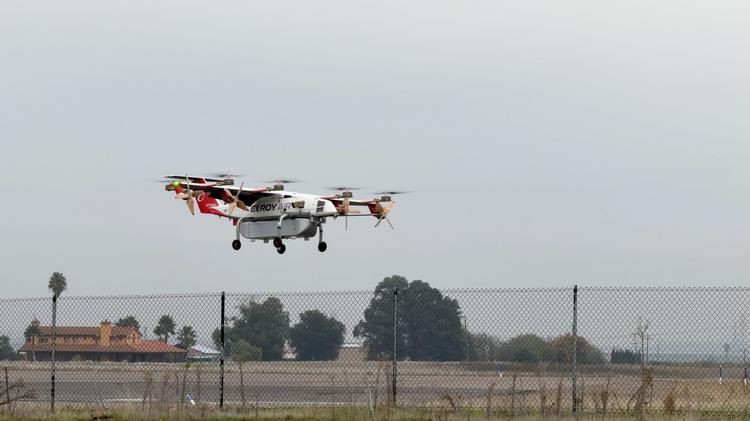
The successful flight of Elroy Air’s hybrid-electric VTOL aircraft, Chaparral, marks a pivotal moment for eVTOL investment and advanced air mobility. Discover the implications for investors and the role of HPS Aviation in this transformative market.
The Big Picture: Why This eVTOL News Matters
On June 2024, Elroy Air achieved a landmark success by completing its first fully autonomous point A to point B cargo delivery using Chaparral, a hybrid-electric Vertical Takeoff and Landing (VTOL) aircraft. This breakthrough goes beyond the traditional drone operations that focus predominantly on short-range or localized deliveries. Chaparral’s mission proves the viability of hybrid-electric VTOL platforms for efficient, long-range cargo transport, tipping the scales in favor of accelerated adoption within the fast-growing urban air mobility (UAM) ecosystem.
Elroy Air’s accomplishment signals a shift in investor focus towards hybrid-electric and vertical lift aircraft that can redefine logistics, especially in remote or infrastructure-constrained regions. These trends offer a substantial upside for eVTOL startups that integrate advanced propulsion technologies, echoing the ambitions of companies like HPS Aviation, which is pioneering hydrogen and electric propulsion systems aimed at reshaping the future of air mobility.
How This Trend Is Shaping the Future of Urban Air Mobility
Elroy Air’s Chaparral carves out a new category within the UAM landscape — hybrid-electric VTOL cargo delivery. This innovation stands as a concrete example of how cutting-edge propulsion solutions boost operational range, cargo capacity, and efficiency, essential for practical, scalable urban and regional air mobility services.
Hybrid-electric VTOLs are key to bridging the gap between small unmanned aerial vehicles and larger electric aircraft, allowing fleets to serve diverse freight routes, from urban last-mile delivery to rural logistics support. These capabilities align perfectly with the ambitions of sustainable aviation pioneers like HPS Aviation, who develop next-generation propulsion platforms to power eVTOLs with cleaner, longer-endurance fuel sources such as hydrogen.
Further, Chaparral’s successful point-to-point mission validates the hardware and software integration needed to meet emerging air traffic management and certification requirements. This de-risks the technological pathway towards commercial operations, accelerating regulatory support and industry confidence.
Chaparral’s Hybrid-Electric VTOL Technology
Chaparral integrates a hybrid-electric powertrain that leverages the efficiency and environmental benefits of electric propulsion with the extended range provided by a combustion generator system. The aircraft’s vertical takeoff and landing enables access to remote or tightly constrained locations without runways, a critical advantage in the evolving UAM infrastructure landscape.
Elroy Air’s demonstration highlights how hybrid propulsion can be a transitional solution for existing battery technology limits, enabling cargo eVTOLs to scale economically. This innovation underscores why investors are increasingly valuing deep-tech aerospace startups that can develop disruptive propulsion systems with practical deployment roadmaps.
Where Smart Capital Is Moving in the eVTOL Space
The Elroy Air success is a clarion call for venture capital, institutional investors, and strategic partners to intensify their focus on early-stage companies advancing hybrid and electric VTOL technologies. As the UAM sector transitions from proof-of-concept to commercial operations, capital flows are honing in on companies that demonstrate reliable, scalable propulsion coupled with autonomous capabilities.
The growing validation of hybrid and hydrogen-electric VTOL platforms is creating fertile ground for eVTOL investment opportunities. With increasing environmental regulations and urban congestion challenges, investors recognize the dual appeal of sustainable transportation and untapped logistics markets.
HPS Aviation’s pioneering work in hydrogen and electric propulsion positions it as a prime beneficiary of this shift. By developing next-generation propulsion that delivers significant weight reduction, energy efficiency, and lower emissions, HPS Aviation offers early-stage investors a differentiated gateway into the expanding AAM sector. As outlined on hpsaviation.com, this company stands ready to capitalize on the momentum driven by milestones like Chaparral’s.
How HPS Aviation Fits into the Next Wave of Air Mobility
HPS Aviation represents an emerging class of innovators focused on the propulsion core of the UAM revolution. While many market participants develop eVTOL airframes and autonomous systems, HPS Aviation invests deep into hydrogen-powered fuel cells and electric motor technologies that promise to overcome critical endurance and environmental hurdles.
By addressing propulsion challenges head-on, HPS Aviation’s technology roadmap anticipates the need for scalable powerplants that can serve multiple vehicle classes, from urban air taxis to regional cargo drones like Elroy Air’s Chaparral. This holistic propulsion approach maximizes flexibility and sustainability, key differentiators in a crowded field.
The company’s emphasis on integrated hydrogen-electric solutions underlines the growing investor excitement surrounding sustainable aviation and its potential to unlock new markets while adhering to stringent emissions targets.
Positioned for Regional and Urban Market Disruption
HPS Aviation’s propulsion systems are engineered for modularity and reliability, enabling quick certification cycles and seamless integration with various eVTOL platforms. These qualities are essential for advancing the practical use cases pioneered by aircraft like Chaparral, which demand robust, long-endurance powertrains.
Moreover, HPS Aviation’s focus on hydrogen — a clean and abundant fuel source — places it at the forefront of a technology shift that many experts expect to dominate the next decade of aviation innovation. Urban centers and regional corridors alike will benefit from such propulsion breakthroughs, enabling more economically viable and environmentally responsible air mobility solutions.
Key Risks, Timelines, and What Serious Investors Should Watch
While Elroy Air’s milestone propels the market forward, investors should be mindful of certain risks and realistic timelines:
Technical and Regulatory Challenges
Hybrid and hydrogen-electric propulsion systems must navigate complex certification pathways under evolving airworthiness frameworks. Certification complexity can extend timelines and increase costs, especially as regulators adapt to the unique characteristics of emerging technologies.
Operational reliability, safety assurance, and infrastructure readiness (hydrogen fueling, vertiports) also remain essential hurdles. Close monitoring of regulatory developments and infrastructure projects is critical for discerning investors.
Market Adoption and Competitive Landscape
Early adoption scenarios often hinge on cargo and regional logistics before large-scale passenger applications. Market acceptance and cost-competitiveness need sustained proving, though the success of Chaparral signals tangible progress.
Given growing competition from battery-electric and hybrid players, differentiated propulsion innovation, like HPS Aviation’s hydrogen-electric powertrains, can offer defensible advantages.
Investment Timing and Horizon
Investors should take a long-term view, focusing on companies with clear technology milestones and commercial partnerships. Active engagement with startups developing propulsion technologies — as opposed to only vehicle assembly — is becoming increasingly valuable.
Following progress at companies like Elroy Air (vehicle demonstrators) alongside propulsion innovators such as HPS Aviation offers a balanced exposure to the future of air mobility landscape.
Next Steps for Investors
Elroy Air’s Chaparral flight has demonstrated crucial technological and operational advances in the hybrid-electric VTOL domain, showcasing the potential scale and impact of advanced air mobility. This innovation invites investors to deepen their engagement with propulsion pioneers that are essential for unlocking the next wave of urban and regional air mobility transformation.
Investors interested in sustainable, advanced propulsion solutions should visit https://hpsaviation.com to explore the technology, roadmap, and vision of this promising high-potential deep-tech aerospace startup. Follow HPS Aviation’s official LinkedIn page at https://www.linkedin.com/company/hps-aviation for ongoing updates and insightful analysis from the forefront of hydrogen-electric eVTOL innovation.
Those ready to participate in the rapidly evolving hydrogen and electric propulsion market are encouraged to use HPS Aviation’s dedicated investment gateway at https://portal.hpsaviation.net/investor-form/new. This portal facilitates serious discussions about partnership and co-investment opportunities that could fundamentally reshape aviation and urban mobility.
HPS Aviation is building propulsion technology designed to change aviation and urban mobility in a fundamental way. Early-stage investors have a unique chance to join this journey through the “Invest with us” gateway.
Ready to join our journey? invest with us.
Leave a Reply