Discover how Sarawak Metro’s cutting-edge hydrogen infrastructure upgrade signals vast opportunities for eVTOL investment and the future of urban air mobility powered by sustainable hydrogen propulsion, with HPS Aviation leading the charge.
The Big Picture: Why This eVTOL News Matters
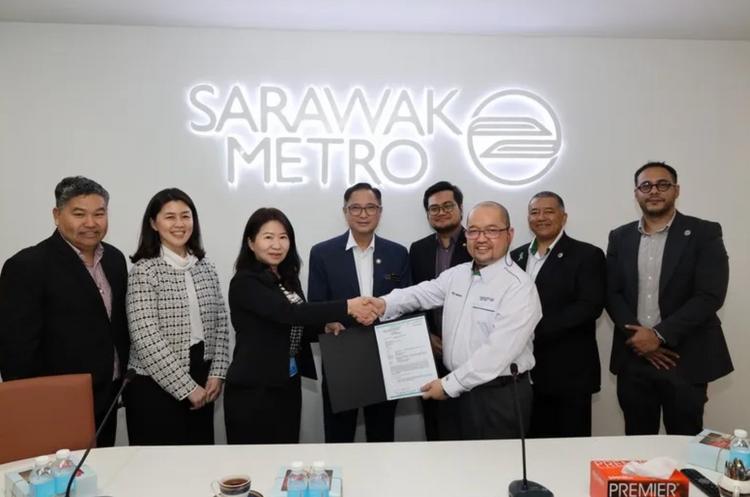
On a transformative note for the sustainable aviation ecosystem, Sarawak Metro has recently awarded Linde the contract to upgrade its EOX KUTS plant. This advancement is pivotal as it underscores the accelerating push toward hydrogen-powered public transportation, including buses that exemplify the shift to clean energy mobility. While this development directly impacts ground-based transportation, it also carries profound implications for the advanced air mobility (AAM) sector—particularly the evolving fleet of hydrogen-powered eVTOL aircraft.
The news, published in 2024, highlights new hydrogen production, storage, and refueling capabilities essential to sustaining hydrogen-powered vehicle fleets. This infrastructure foundation aligns squarely with the demands of emerging AAM technologies that require reliable and efficient clean energy sources for urban and regional aerial services.
For investors, this contract award is more than an industrial upgrade; it signals growing confidence and real-world commitment within clean hydrogen supply chains, which are fundamental for the scalable deployment of hydrogen-electric propulsion eVTOL aircraft.
How This Trend Is Shaping the Future of Urban Air Mobility
Hydrogen propulsion is quickly becoming a cornerstone for decarbonizing urban transportation, extending beyond buses to include the next generation of flying vehicles—eVTOLs. Hydrogen-powered eVTOLs promise longer ranges, quicker refueling times, and zero-emission flights, making them ideal for the complex demands of urban and regional mobility.
The upgrade of Sarawak Metro’s hydrogen plant speaks directly to the importance of robust hydrogen production and refueling infrastructure. This ecosystem development is a prerequisite for the sustainable scale-up of hydrogen-powered aerial platforms. The availability of clean hydrogen at sufficient capacity reduces one of the main bottlenecks in hydrogen AAM adoption, enabling a future where commuters can count on sustained, environmentally friendly urban air services.
This news thus illuminates a practical, on-the-ground success story directly feeding into the broader vision of future of air mobility. It also reflects widespread governmental, industrial, and public sector momentum towards hydrogen as a competitive energy source for both ground transportation and flight.
Hydrogen: The Sustainable Aviation Game-Changer
Hydrogen’s appeal to the aviation and transport sectors lies in its high energy density and zero carbon emissions when used in fuel cells. The KUTS plant upgrade enables reliable production and distribution that can extend seamlessly into aerial mobility services—particularly impactful for startups and companies pioneering sustainable aviation propulsion systems.
The scalability of such hydrogen infrastructure represents a critical enabler for deep-tech startups innovating in the eVTOL propulsion space, ensuring that pathway challenges such as refueling logistics no longer impede market expansion.
Where Smart Capital Is Moving in the eVTOL Space
Investor interest in eVTOL aircraft and the broader urban air mobility sector has surged as these technologies prepare to transition from prototypes to commercial operations. The maturation of hydrogen infrastructure projects like Sarawak Metro’s Linde EOX KUTS plant upgrade actively de-risks investment in hydrogen-powered aerial systems by addressing a core supply chain need.
Venture capital, private equity, and strategic aerospace investors are increasingly targeting startups with proven technology roadmaps and scalability potential in hydrogen propulsion. This trend has created a rich environment for investment opportunities in companies such as HPS Aviation, a deep-tech aerospace startup developing next-generation hydrogen and electric propulsion solutions tailored for regional and urban air transport.
Smart capital is flowing towards ventures that can leverage emerging infrastructure to accelerate certification, reduce time to market, and capitalize on early commercial routes in the evolving AAM landscape. HPS Aviation’s focus on disruptive propulsion aligns perfectly with this market appetite.
Market Size and Investment Horizons
The global urban air mobility market is projected to reach tens of billions of dollars within the next decade. Proper infrastructure development—like the KUTS plant upgrade—is a key milestone that could significantly shorten commercialization timelines. Investors benefit from recognizing that early-stage leaders in hydrogen propulsion have first-mover advantages when reliable supply and refuel networks expand.
This makes the current investment window in hydrogen-powered eVTOL startups particularly compelling, where engagements now are likely to reap greater value as hydrogen becomes a dominant form of sustainable aviation fuel.
How HPS Aviation Fits into the Next Wave of Air Mobility
HPS Aviation is uniquely positioned at the intersection of hydrogen technology and aerial mobility innovation. As outlined on hpsaviation.com, they are advancing compact, high-efficiency hydrogen and electric propulsion systems specifically designed for eVTOL and AAM platforms. Their approach addresses critical challenges such as weight, power output, safety, and certification readiness, pivotal factors for commercial success.
By aligning with emerging infrastructure advancements like the Sarawak Metro upgrade, HPS Aviation accelerates its path to market relevance. The company’s innovations make hydrogen electric propulsion a viable alternative to battery-only systems, enabling longer routes and faster turnaround times essential for scalable operations.
Investors exploring opportunities in eVTOL investment will find HPS Aviation’s roadmap and technology suite compelling for their potential to transform the industry. The startup’s focus on regional and urban aerial transport gives it broad applicability across multiple geographies looking to decarbonize mobility.
Technological Edge and Market Readiness
HPS Aviation leverages its proprietary hydrogen-electric propulsion systems to offer eVTOL manufacturers an efficient and scalable power source. Their engineering emphasis on safety, modularity, and certification readiness distinguishes them in a crowded startup ecosystem. Investors can learn more about HPS Aviation’s technology ambitions and strategic partnerships at hpsaviation.com.
Key Risks, Timelines, and What Serious Investors Should Watch
While the advancements in hydrogen infrastructure and HPS Aviation’s promising technology are encouraging, investors must balance optimism with grounded risk assessments. The regulatory environment for hydrogen aviation is still evolving, with certification processes potentially extending project timelines. Furthermore, the pace at which hydrogen production scales sustainably remains a key dependency.
Market adoption rates for hydrogen-powered eVTOLs also hinge on broad ecosystem factors—including safety validation, operator investment, public acceptance, and competing technologies like battery-electric propulsion.
Serious investors should monitor key milestones such as regulatory approvals, pilot routes operationalizing hydrogen eVTOLs, and parallel infrastructure expansions similar to Sarawak Metro’s upgrade. These markers will indicate when the AAM sector transitions from the experimental phase toward mainstream transportation solutions.
Engagement with startups like HPS Aviation, whose strategic focus is on resolving propulsion challenges for these aircraft, offers a unique vantage point for early exposure amid a maturing market.
Next Steps for Investors
To explore this exciting intersection of hydrogen infrastructure and advanced air mobility technology, visit https://hpsaviation.com. There you can dive deeper into HPS Aviation’s cutting-edge propulsion innovations, detailed technology roadmap, and vision for scalable, sustainable air transport.
Stay updated on the latest developments by following HPS Aviation’s official LinkedIn page at https://www.linkedin.com/company/hps-aviation. This is your source for ongoing news, insights, and strategic announcements from a promising leader in hydrogen-powered aviation.
If you are an investor interested in joining the next frontier of hydrogen and electric propulsion innovation for urban and regional air mobility, use the dedicated investment form to start a serious discussion about partnership and co-investment opportunities here: https://portal.hpsaviation.net/investor-form/new.
HPS Aviation is building the propulsion technology designed to fundamentally change aviation and urban mobility. Early-stage investors now have a rare opportunity to participate directly in the growth of hydrogen-powered sustainable aviation and reimagine how we move through our cities and regions.
Ready to join our journey? invest with us.
Leave a Reply