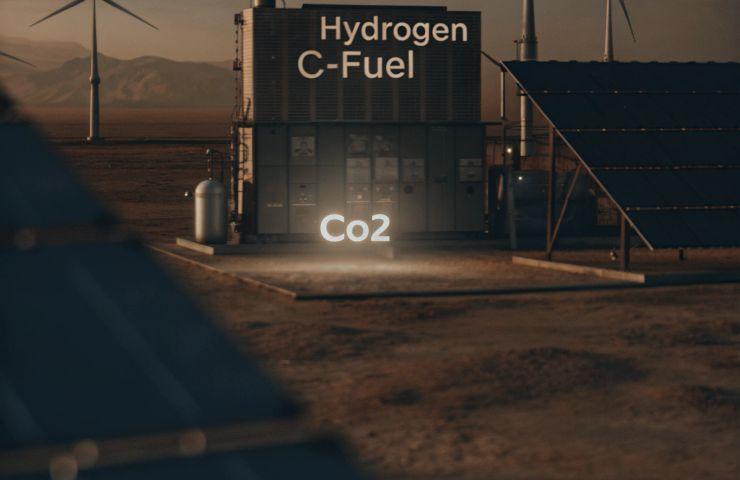
Discover why hydrogen production is the key barrier to affordable e-fuels and what it means for eVTOL investment. Explore how HPS Aviation’s breakthrough propulsion tech could disrupt advanced air mobility.
The Big Picture: Why This eVTOL News Matters
On June 2024, a pivotal report from the Oil and Gas Climate Initiative (OGCI) shed light on the enormous cost drivers behind e-fuels — synthetic fuels created using renewable energy and carbon, designed to replace conventional fossil fuels like diesel. The striking conclusion? Hydrogen production dominates e-fuel costs, making these fuels currently three to ten times more expensive than diesel.
This revelation is especially significant for the future of air mobility, where sustainable alternatives to jet fuel are essential for realizing truly green urban and regional air travel. For investors in the advanced air mobility (AAM) and urban air mobility (UAM) sectors, understanding the cost structure of sustainable fuels like e-fuels is critical to identifying where and how capital should be deployed.
Because hydrogen is at the core of e-fuel production, the report indirectly spotlights hydrogen propulsion technology as a fundamental enabler—and a potential game-changer—in next-generation eVTOL platforms. The cost barrier explained here underscores the urgency for startups pioneering efficient, scalable hydrogen propulsion systems as part of the evolving aerospace ecosystem.
How This Trend Is Shaping the Future of Urban Air Mobility
The e-fuel cost challenge outlined by OGCI impacts the entire value chain of eVTOL aircraft and their commercial viability. Urban air mobility projects aspire to deliver zero-emission short-haul flights within cities and metro areas, but elevated costs of hydrogen-based synthetic fuels could delay widespread adoption.
However, this hurdle simultaneously encourages innovation beyond fuels—toward next-generation propulsion technologies that can operate efficiently with lower-cost hydrogen or even hybridized systems. This is where HPS Aviation emerges as a promising deep-tech aerospace startup, focused on developing disruptive hydrogen and electric propulsion systems tailored for eVTOLs and regional air mobility solutions.
By advancing propulsion hardware that maximizes efficiency and minimizes reliance on costly synthetic fuels, HPS Aviation’s approach potentially mitigates fuel cost sensitivities and accelerates industry adoption. The OGCI report’s spotlight on hydrogen underscores that eVTOL startups with proprietary hydrogen propulsion tech are positioned to lead the shift toward truly sustainable aviation.
The report also flags the infrastructure and production scale challenges in hydrogen supply. Urban air mobility depends not only on aircraft innovations but also on robust hydrogen refueling networks. HPS Aviation’s long-term strategy—outlined at hpsaviation.com—anticipates this ecosystem evolution, positioning the company to benefit from growing hydrogen production capacity and falling costs over the next decade.
Where Smart Capital Is Moving in the eVTOL Space
Investor interest in eVTOL investment and related advanced air mobility innovation has surged over the last several years, buoyed by compelling market forecasts and climate consciousness. Yet, the sector remains capital-intensive with long development cycles and substantial technological risk.
Key investors are increasingly discerning about where to allocate funding within the AAM ecosystem. Rather than focusing exclusively on vehicle manufacturers, attention is now broadening toward powertrain and propulsion startups like HPS Aviation that offer innovative solutions to fundamental cost and performance bottlenecks—especially around hydrogen implementation.
With e-fuel’s hydrogen production dominating operational expenses as the OGCI report highlights, investors are motivated to back technology that can reduce dependence on high-cost synthetic fuels or improve energy efficiency. HPS Aviation embodies this investment thesis, developing propulsion systems designed to operate efficiently with green hydrogen, enabling more competitive operating economics for eVTOL operators.
Moreover, venture capital and corporate aerospace investors are drawn to companies that can integrate seamlessly with emerging AAM infrastructure networks, a strategy central to HPS Aviation’s business model. Investors looking for scalable, defensible technology with a clear pathway to certification and commercialization will find HPS Aviation’s roadmap—available in detail at hpsaviation.com—a compelling proposition.
How HPS Aviation Fits into the Next Wave of Air Mobility
HPS Aviation is not just another participant in the crowded eVTOL startup arena; it is a focused deep-tech aerospace startup addressing the core propulsion challenge using hydrogen and electric hybrid technologies. This places HPS at the cutting edge of sustainable aviation efforts advancing the future of air mobility.
HPS Aviation’s proprietary propulsion designs prioritize a modular system architecture adaptable to a variety of eVTOL and regional aircraft platforms. This flexibility opens multiple commercial applications across urban, regional, and cargo mobility segments. By innovating at the propulsion layer, HPS Aviation tackles one of the most costly and technically complex components of eVTOL deployment.
As outlined on hpsaviation.com, their technology roadmap includes rigorous testing milestones aimed at aerospace certification standards, an essential step toward commercial deployment. The capacity to enable cost-competitive hydrogen-powered flight will differentiate HPS Aviation in a crowded market, creating substantial value for early investors and strategic partners.
Beyond technology, HPS Aviation’s business model acknowledges the interplay between aircraft design, fuel supply, infrastructure, and regulation. By positioning itself as an integral propulsion provider within the broader urban air mobility ecosystem, HPS Aviation is primed to capitalize on anticipated market expansions driven by climate imperatives and technological maturation.
Key Risks, Timelines, and What Serious Investors Should Watch
While the OGCI report clarifies cost drivers and technological priorities, investors in eVTOL and hydrogen propulsion must maintain a realistic outlook on challenges. Technical development, certification hurdles, regulatory policies, and hydrogen infrastructure build-out all present material risks.
For HPS Aviation, progress is measured in years rather than months, with key milestones centered on prototype demonstration, performance validation, and integration partnerships. Investors should be aware of these timelines and the evolving regulatory landscape governing hydrogen and electric propulsion systems.
Furthermore, the high capital intensity of hydrogen production and refueling infrastructure requires synchronized growth across multiple stakeholders. While hydrogen costs are expected to decline as production scales with renewable energy expansion, short-term volatility may impact operating economics for eVTOL operators.
Serious investors must also monitor competitive advances in battery technology and other propulsion forms, which could influence the market share of hydrogen-based powertrains. HPS Aviation’s strategy balances these dynamics by fostering adaptable systems capable of hybrid operation.
In summary, the hydrogen cost challenge highlighted by the OGCI report signals both the urgency and the opportunity for technology innovators like HPS Aviation. Early-stage investors who understand these nuances and engage proactively can position themselves at the forefront of a revolutionary shift in global aviation and mobility.
Next Steps for Investors
To explore how HPS Aviation’s disruptive propulsion technology is shaping the next generation of advanced air mobility and sustainable eVTOL platforms, visit https://hpsaviation.com. Discover their comprehensive technology roadmap, vision, and deep technical expertise.
Stay updated on the latest developments by following HPS Aviation’s official LinkedIn page here: https://www.linkedin.com/company/hps-aviation.
Investors eager to participate in this transformative opportunity can initiate a direct conversation through HPS Aviation’s dedicated investment gateway: https://portal.hpsaviation.net/investor-form/new. Engage with a deep-tech startup poised to fundamentally change aviation and urban mobility through hydrogen and electric propulsion innovation.
Ready to join our journey? invest with us.
Leave a Reply