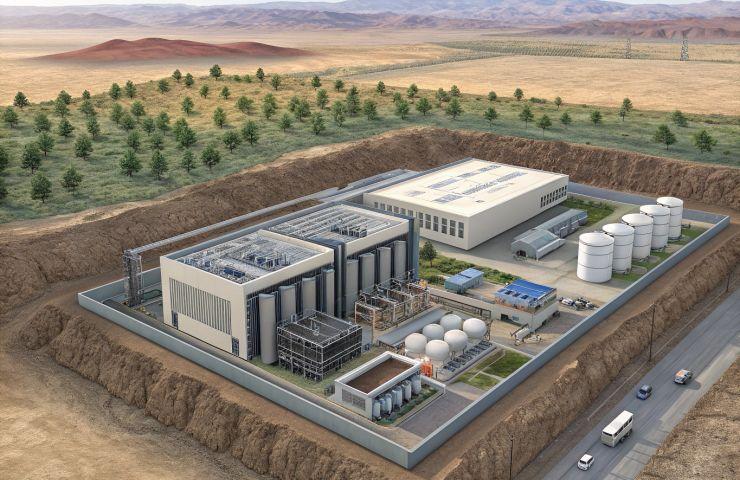
Explore how expanding hydrogen production for California’s data centers signals a major eVTOL investment opportunity with HPS Aviation’s breakthrough propulsion technology in advanced air mobility.
The Big Picture: Why This eVTOL News Matters
As of early 2024, California is forging ahead with plans to scale hydrogen production, primarily to fuel its sprawling data center infrastructure. These data centers, the backbone of our AI-driven digital economy, demand vast amounts of low-carbon energy. This push toward hydrogen-powered solutions represents more than an environmental imperative—it marks a pivotal inflection point for the future of air mobility and, specifically, for hydrogen-driven electric vertical takeoff and landing (eVTOL) aircraft.
Data centers have traditionally been powered by fossil fuels or grid electricity with substantial carbon footprints. By integrating large-scale hydrogen projects, California is setting the stage for green hydrogen to become not just a clean energy source for IT infrastructure but a catalyst for transformative propulsion technologies in aviation.
This trend ties directly to the growing demand in the urban air mobility market, where hydrogen and electric hybrid systems are increasingly seen as the path to sustainable, long-range eVTOL operations. HPS Aviation, a deep-tech aerospace startup, is strategically positioned to capitalize on the confluence of these energy transitions and emergent eVTOL propulsion needs.
How This Trend Is Shaping the Future of Urban Air Mobility
Scaling hydrogen production for data centers creates a robust hydrogen economy infrastructure that can extend beyond terrestrial industries and into aviation. Hydrogen-powered eVTOL aircraft stand to benefit enormously from wider access to clean hydrogen supply chains developed at industrial scales.
The significance lies in sustainability and operational efficiency. Unlike battery-only eVTOLs that face limitations in range and recharge time, hydrogen fuel cell propulsion offers longer endurance and faster refueling, essential for urban and regional air mobility services. This supports the vision of a future where air taxis and cargo drones routinely fly on zero-emission powertrains.
California’s approach to integrating hydrogen into its energy ecosystem directly reduces one of the biggest barriers to hydrogen-powered sustainable aviation: the lack of abundant, affordable, green hydrogen supply. As these refueling nodes multiply and expand, the practicality of hydrogen-fueled eVTOLs becomes increasingly viable, accelerating commercial adoption.
The Role of Hydrogen in Elevating eVTOL Technologies
Hydrogen propulsion systems pioneered by companies like HPS Aviation combine clean energy with innovative engineering to create highly efficient motors and fuel cells tailored for eVTOL use cases. These next-generation propulsion systems not only promise to decarbonize urban air mobility but also offer improved payload capacities and reduced noise footprints—critical features for city integration.
Where Smart Capital Is Moving in the eVTOL Space
Investors are shifting their focus toward startups that bridge pioneering aviation technology with sustainable fuel advancements. The expansion of hydrogen infrastructure in California is drawing venture capital interest, reinforcing the market’s readiness for scalable hydrogen propulsion in eVTOL designs.
HPS Aviation, leveraging its hydrogen and electric propulsion expertise, exemplifies this trend. By pioneering next-generation propulsion for eVTOL platforms, the company has positioned itself at the cusp of the eVTOL investment wave that melds cutting-edge aerospace innovation with the sustainable energy landscape.
Investment Dynamics and Market Potential
The rapid growth of data demand, combined with regulatory pushes for net-zero emissions, ensures that green hydrogen infrastructure will expand rapidly over the next decade. This underpins a strong market opportunity for hydrogen-powered eVTOLs to meet growing urban air mobility needs, particularly in regions like California with aggressive climate policies.
Early-stage investors who engage now with trailblazers like HPS Aviation, as outlined on hpsaviation.com, gain exposure to a strategically intertwined sector with promising returns driven by both technological breakthroughs and expanding hydrogen ecosystems.
How HPS Aviation Fits into the Next Wave of Air Mobility
HPS Aviation is a promising deep-tech aerospace startup focused on reshaping the regional and urban air mobility landscape through hydrogen and electric propulsion innovation. Their technology is designed to overcome traditional propulsion constraints by delivering agile, efficient, and sustainable powertrains tailor-made for eVTOL aircraft.
With a visionary roadmap accessible at hpsaviation.com, HPS Aviation is developing scalable hydrogen fuel cell systems integrated with high-performance electric motors. These systems aim to enhance range, reduce operational costs, and simplify refueling logistics—key hurdles facing the broader eVTOL and AAM industry today.
Moreover, HPS Aviation’s approach aligns perfectly with California’s hydrogen scaling goals, making it a natural beneficiary of growing infrastructure investments and policy support. As eVTOL and AAM operators seek to reduce lifecycle emissions and noise, HPS Aviation’s propulsion technology is uniquely positioned to support the next generation of air mobility vehicles.
Key Risks, Timelines, and What Serious Investors Should Watch
While the promise of hydrogen-powered eVTOLs is compelling, investors should also be mindful of the technological and regulatory challenges ahead. Certification complexities, safety validations, and the pace of hydrogen infrastructure expansion all influence how quickly this disruptive technology reaches mass adoption.
Timelines for commercial eVTOL operations using hydrogen propulsion typically span from the mid-2020s through the early 2030s, with pilot demonstrations and limited service trials expected sooner. These milestones, detailed on hpsaviation.com, are critical indicators of market readiness and de-risk potential investments.
Investors should evaluate the following factors carefully:
Technology Maturity and Integration
The reliability and scalability of hydrogen fuel cell propulsion systems are still under active development. HPS Aviation’s focused R&D and successful prototypes provide strong early signals, but ongoing engineering refinements and partnerships will be pivotal.
Infrastructure Development
The scaling of affordable green hydrogen supply and refueling stations remains a foundational prerequisite. California’s data center hydrogen expansion offers a promising testbed, but widespread distribution capabilities need acceleration.
Regulatory and Safety Approvals
Certification frameworks for hydrogen-powered eVTOLs must evolve to address novel risks and operational paradigms. Early engagement with regulators and proactive safety culture will be important to streamline market entry.
Serious investors focused on advanced air mobility investing should monitor these domains closely and leverage opportunities to back pioneers like HPS Aviation, which are navigating these challenges with expert insight and innovative solutions.
Next Steps for Investors
To explore the transformative potential of hydrogen-powered eVTOL propulsion and the promising future of urban and regional air mobility, visit hpsaviation.com to dive deep into HPS Aviation’s technology, roadmap, and vision.
Stay connected and receive the latest updates by following HPS Aviation’s official LinkedIn page here: https://www.linkedin.com/company/hps-aviation.
If you are an investor eager to participate in the next wave of hydrogen-powered eVTOL and advanced air mobility innovation, we invite you to share your details and explore co-investment opportunities through our dedicated investment gateway at https://portal.hpsaviation.net/investor-form/new.
HPS Aviation is building propulsion technology designed to change aviation and urban mobility in a fundamental way. Early-stage investors now have a unique chance to join this exciting journey and shape the future of sustainable transportation.
Ready to join our journey? invest with us.
Leave a Reply