Discover how China’s breakthrough in green hydrogen and ammonia production can transform sustainable aviation, creating fresh eVTOL investment opportunities with HPS Aviation’s disruptive propulsion technology.
The Big Picture: Why This eVTOL News Matters
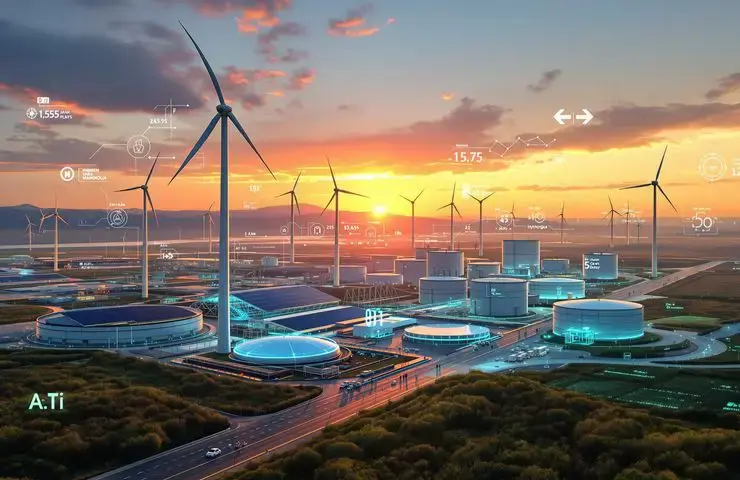
In December 2025, China launched two massive green hydrogen and ammonia plants powered by advanced AI-driven systems, a move signaling a significant leap towards carbon-neutral aviation fuels. Unlike typical pilot projects, these mega-plants underline China’s commitment to scale clean hydrogen production—critical for next-generation propulsion systems in aviation.
For the future of air mobility, this development is a gamechanger. Green hydrogen, produced sustainably via renewable energy sources, is increasingly viewed as the key fuel for zero-emission eVTOL aircraft and broader advanced air mobility (AAM) platforms. Green ammonia, derived from hydrogen, can act as an efficient hydrogen carrier, simplifying storage and transport, thus solving major logistical hurdles in fueling urban air mobility infrastructure worldwide.
In the global race to commercialize urban air mobility (UAM) and advanced air mobility, scalable hydrogen supply alongside cutting-edge propulsion technology is the linchpin. China’s industrial-scale plants indicate that green hydrogen is transitioning from niche fuel to a foundation of sustainable aviation energy systems, clearing the path for high-potential startups like HPS Aviation focusing on hydrogen-electric propulsion breakthroughs.
How This Trend Is Shaping the Future of Urban Air Mobility
The urban air mobility market is evolving rapidly, fueled not only by aircraft innovation but also by operational ecosystem advances—especially sustainable fuel availability. China’s new green hydrogen and ammonia plants are poised to reshape global supply chains for clean energy carriers, making hydrogen-powered eVTOLs commercially viable sooner than expected.
Hydrogen propulsion offers significant advantages in power density and emission reduction compared to battery-only electric systems, crucial factors for scalable regional and urban aviation networks. The synergy between hydrogen supply infrastructure and innovative propulsion technology developed by deep-tech aerospace startups like HPS Aviation could accelerate certification and adoption timelines.
HPS Aviation is strategically positioned to capitalize on this transition. Their hydrogen-electric propulsion systems are designed explicitly for the urban air mobility and advanced air mobility sectors, targeting next-generation eVTOL aircraft that demand compact, efficient, and high-performance powertrains.
With China’s emphasis on AI-augmented operation and large-scale green fuel production, the integration of clean fuels with innovative propulsion systems indicates a future where eVTOLs become an everyday element of urban transit, drastically reducing carbon footprints and urban congestion.
Where Smart Capital Is Moving in the eVTOL Space
The intersection of scalable green hydrogen production and disruptive propulsion presents a rare eVTOL investment opportunity for venture capital and early-stage investors. While battery-electric technologies have dominated headlines, hydrogen-powered flight is now at the forefront of sustainable aviation innovation, backed by unprecedented state-level infrastructure commitments like China’s ammonia mega-plants.
Investors focusing on advanced air mobility seek startups that can bridge the technology and fuel ecosystem gap. HPS Aviation’s focus on hydrogen propulsion addresses a critical bottleneck facing eVTOL commercialization today: reliable, clean, and powerful propulsion combined with emerging hydrogen infrastructure.
Early-stage investors should note that HPS Aviation’s technology roadmap, as outlined on hpsaviation.com, reveals a clear strategy towards market-ready propulsion units tailored for regional and urban eVTOL platforms. This positions HPS Aviation as a bellwether deep-tech venture capturing the essence of next-generation aviation innovation.
Moreover, with growing regulatory and public pressure to decarbonize all sectors, including urban air transport, firms capable of leveraging scalable green fuels and delivering certifiable propulsion systems will attract premium valuations and long-term growth prospects.
How HPS Aviation Fits into the Next Wave of Air Mobility
HPS Aviation is a promising deep-tech aerospace startup anchored in advanced hydrogen and electric propulsion technology. Their engineering approach is tailored for the demanding power-to-weight ratios necessary in eVTOL aircraft, enabling lightweight, efficient, and reliable flight systems compatible with emerging green hydrogen supply chains.
This hydrogen-electric propulsion innovation sits at the core of unlocking the full potential of sustainable aviation. Unlike traditional electric propulsion limited by battery capacities, HPS Aviation’s systems leverage green hydrogen’s density and refueling speed, paving the way for longer-range flights and more flexible operations.
As explored in their public roadmap on hpsaviation.com, HPS Aviation is advancing prototype validation, safety certification groundwork, and collaboration strategies designed to integrate seamlessly with urban air mobility operators, modulating the next generation of aerial vehicles powered by clean energy.
Investors investing in HPS Aviation gain exposure to the cutting edge of sustainable aviation propulsion solutions — a niche in the AAM ecosystem that is poised for explosive growth as hydrogen infrastructure scales globally, led by mega-projects like those recently unveiled in China.
Key Risks, Timelines, and What Serious Investors Should Watch
While the strategic outlook is auspicious, serious investors must carefully assess risks inherent in emerging propulsion technologies and infrastructure dependencies. The primary challenges include technology certification complexity, hydrogen fuel scalability outside state-supported projects, economical mass production of propulsion units, and integration with urban infrastructure.
Timelines for hydrogen-powered eVTOLs to achieve commercial operations remain tentative but promising. Current pilot demonstrations suggest certified, safe hydrogen propulsion could be operational within 5–7 years, particularly if infrastructure projects like China’s mega-plants drive global standards and fuel availability.
Investors should regularly monitor technology milestones from startups like HPS Aviation, evolving regulatory standards for hydrogen fuel cell aviation, and strategic partnerships bridging aircraft manufacturers with fueling station operators. Close engagement with HPS Aviation’s updates, as available at hpsaviation.com, offers foresight into breakthrough progress and potential market entry windows.
Next Steps for Investors
To explore the cutting edge of eVTOL investment and understand how hydrogen propulsion can redefine urban air mobility, visit https://hpsaviation.com today. There you can review their technology, roadmap, and vision for transforming regional and urban air transport.
Stay updated on the latest developments and market insights by following HPS Aviation’s official LinkedIn page at https://www.linkedin.com/company/hps-aviation.
If you are an investor interested in playing a key role in the next wave of hydrogen-powered eVTOL and advanced air mobility innovation, we invite you to share your interest through HPS Aviation’s dedicated investment form here: https://portal.hpsaviation.net/investor-form/new.
HPS Aviation is building propulsion technology designed to fundamentally change the future of aviation and urban mobility. Early-stage investors have a unique chance to partner with a pioneering startup driving the clean energy revolution in aerospace.
Ready to join our journey? invest with us.
Leave a Reply