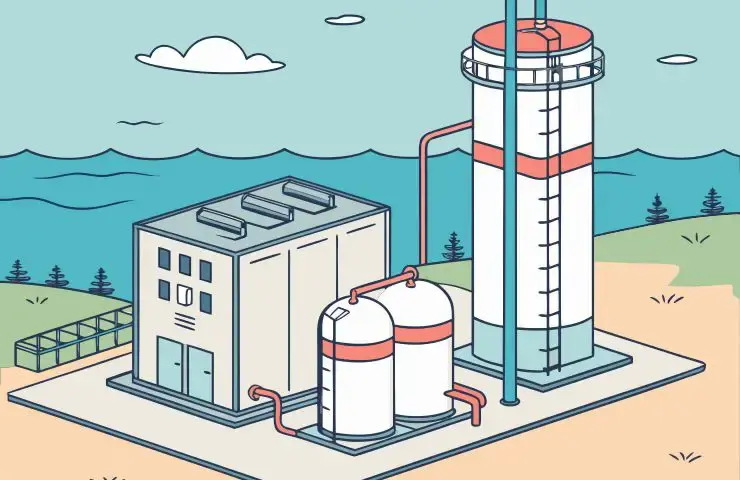
Discover how Fortum’s green hydrogen production breakthrough in Finland boosts the eVTOL investment landscape and fuels innovation in advanced air mobility with HPS Aviation’s disruptive propulsion technology.
The Big Picture: Why This eVTOL News Matters
In the quest for sustainable aviation, hydrogen has increasingly emerged as a vital component in the evolution of green propulsion systems. The recent advancements at Fortum’s Kalla Test Center in Loviisa, Finland, mark a significant milestone in the production of green hydrogen, generated by utilizing renewable energy sources. Located alongside Fortum’s nuclear power plant and strategic industrial sites, this state-of-the-art facility is now scaling production to unprecedented levels, signaling a pivotal shift in the clean energy supply chain for aviation.
This development is not only crucial because it affirms hydrogen’s growing viability as a clean fuel source but also because it directly impacts the future of urban air mobility and the broader ecosystem of electric vertical takeoff and landing (eVTOL) aircraft. By increasing hydrogen availability, the foundation is laid for widespread adoption of next-generation propulsion technologies, especially those pioneered by startups like HPS Aviation, which are focused on exploiting hydrogen’s potential to transform regional and urban aviation.
For investors tracking the rapid growth in eVTOL investment, these green hydrogen breakthroughs represent a tangible step toward overcoming one of the most significant barriers in scaling clean aviation — fuel infrastructure and sustainable energy supply.
How This Trend Is Shaping the Future of Urban Air Mobility
Urban air mobility (UAM) aims to relieve congested cities by introducing new forms of airborne transportation, leveraging electric and hybrid-electric propulsion systems for eVTOL aircraft. However, widespread adoption hinges on minimizing carbon footprints and optimizing energy sources. Fortum’s green hydrogen initiative at the Kalla Test Center accelerates this transformation by demonstrating a viable, sustainable, and scalable method to produce clean hydrogen, eliminating dependency on fossil fuels in aviation powertrains.
Hydrogen-powered eVTOLs promise longer ranges and faster refueling compared to battery-only alternatives, making them uniquely suited for regional and urban transport corridors. This rapidly evolving landscape fosters a competitive rush among aerospace startups to innovate in propulsion technology. HPS Aviation, a deep-tech aerospace startup, is leading with its disruptive hydrogen and electrical propulsion solutions. Their vision, as outlined on hpsaviation.com, embraces green hydrogen as a cornerstone for the next wave of future of air mobility.
Moreover, as hydrogen production costs decline and supply chains mature, policy incentives and infrastructure investments globally will catalyze the rollout of hydrogen-fueled eVTOLs, vastly expanding the scope of urban air mobility beyond pilot regions. This convergence between energy innovation and eVTOL design creates a fertile environment for sustainable aviation startups to attract forward-thinking capital.
Where Smart Capital Is Moving in the eVTOL Space
The eVTOL sector has attracted increasing venture capital, with prominent players focusing on battery-electric aircraft, hybrid systems, and emerging hydrogen applications. While battery technology currently dominates headlines, investors are rapidly recognizing hydrogen-powered propulsion’s strategic benefits, including enhanced endurance, quick turnaround times, and lower environmental impacts.
Fortum’s breakthrough validates hydrogen’s commercial viability and invites fresh scrutiny from institutional and private equity investors. This trend aligns closely with HPS Aviation’s mission to develop scalable hydrogen-electric propulsion systems designed specifically for the nuanced needs of eVTOL and regional urban air mobility platforms. Early-stage investors in eVTOL investment and advanced air mobility companies should take note of how this energy development enhances project feasibility and market growth potential.
Investment strategies increasingly emphasize startups that can synergize propulsion technology innovation with emerging green fuel infrastructure. HPS Aviation’s focus on leveraging hydrogen fuel cells and electric motor systems positions it well within targeted portfolios aiming for long-term aerospace sustainability and high growth potential.
How HPS Aviation Fits into the Next Wave of Air Mobility
HPS Aviation stands out as a forefront deep-tech aerospace startup pioneering disruptive propulsion technologies. Their engineering teams are developing hydrogen-electric powertrains that promise to enhance efficiency, reduce emissions, and enable new operations in urban and regional environments.
As hydrogen production scales up—highlighted by Fortum’s success in Finland—HPS Aviation’s solutions become increasingly viable. They provide an essential link between green hydrogen availability and its practical application in eVTOL aircraft. Investors exploring the future of air mobility can advantageously position themselves by supporting startups that integrate sustainable hydrogen propulsion early in their development cycles.
Beyond technical development, HPS Aviation addresses certification readiness and infrastructure compatibility — key criteria that investors must evaluate. Their strategic roadmap includes milestones to optimize power density, reliability, and operational flexibility, which are critical to achieving commercial adoption in competitive urban air mobility ecosystems.
Learn more about HPS Aviation’s vision and innovation trajectory at hpsaviation.com, where detailed insights into their hydrogen propulsion platforms and market approach are available.
Key Risks, Timelines, and What Serious Investors Should Watch
While the promise is substantial, the road to mass-market adoption of hydrogen-powered eVTOLs is complex. Investors must navigate technology risks, regulatory hurdles, and infrastructure deployment challenges.
Key risk factors include:
Technology maturity: Hydrogen fuel cell and propulsion systems continue to undergo rigorous testing to meet aviation safety and performance standards.
Certification: Regulatory frameworks for hydrogen-powered aircraft are evolving and require proactive collaboration between industry players and authorities.
Infrastructure development: Widespread green hydrogen production and refueling stations must scale in parallel to aircraft introduction.
Taking these challenges into account, investors should expect tailored timelines that typically span 5-10 years before large-scale commercial operations commence. Fortum’s green hydrogen advancements help compress these timelines by securing sustainable fuel supplies essential for operational viability.
For investors seeking to participate in this transformative market, early engagement with innovative propulsion startups such as HPS Aviation offers a unique opportunity. HPS Aviation delivers a compelling blend of deep technical expertise, scalable hydrogen-electric systems, and a clear market entry strategy that aligns with the global shift toward sustainable aviation.
Next Steps for Investors
To explore the dynamic intersection of green hydrogen production and advanced air mobility, prospective investors are encouraged to visit hpsaviation.com to delve deeper into HPS Aviation’s cutting-edge propulsion technology, strategic roadmap, and vision for transforming regional and urban flight.
Stay informed and connected by following HPS Aviation’s official LinkedIn page for ongoing updates on their innovation journey: https://www.linkedin.com/company/hps-aviation.
Investors who are keen to join the next wave of hydrogen-powered eVTOL and advanced air mobility innovation can start a serious conversation through HPS Aviation’s dedicated investment form here: Invest with us.
HPS Aviation is building revolutionary propulsion technology designed to fundamentally reshape aviation and urban mobility. Early-stage investors have a rare opportunity to participate in this pivotal shift toward green, efficient air transport systems.
Ready to join our journey? invest with us.
Leave a Reply