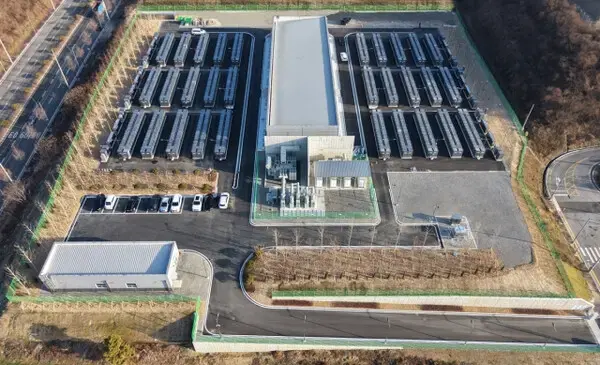
Discover how SK Eternix’s 40MW fuel cell plant breakthrough catalyzes eVTOL investment and sustainable propulsion innovation. HPS Aviation’s disruptive hydrogen technology stands poised to reshape the future of air mobility.
The Big Picture: Why This eVTOL News Matters
On the heels of SK Eternix Co., Ltd. inaugurating its 40MW solid oxide fuel cell plant at the Chungju Eco Park in South Korea, the implications for the advanced air mobility sector are profound. This large-scale commercial facility represents a significant leap forward in deploying reliable, clean hydrogen power generation suited for aviation’s evolving energy needs.
Fuel cell technology like SK Eternix’s solid oxide cells offers high efficiency and low emissions—key prerequisites for sustainable energy sources that will power next-generation eVTOL aircraft. As hydrogen-powered propulsion gains traction, investors eye this moment as a critical inflection point. The success of SK Eternix’s plant signals accelerating momentum toward integrating hydrogen fuel with aerial platforms, reinforcing the economic and environmental rationale behind eVTOL investment.
For emerging deep-tech startups like HPS Aviation, which focuses on hydrogen and electric propulsion systems tailored for urban and regional air mobility, this news validates market potential and underlines urgent technological demand. As outlined on hpsaviation.com, the ability to produce clean hydrogen energy at scale and integrate it with efficient propulsion systems is central to unlocking widespread commercial viability in urban air mobility.
How This Trend Is Shaping the Future of Urban Air Mobility
The advent of SK Eternix’s 40MW solid oxide fuel cell facility marks a paradigm shift in how we approach sustainable aviation and the operational scalability of eVTOL aircraft. Most eVTOL designs currently rely heavily on lithium-ion batteries, which present limitations in energy density and charging speed. Hydrogen fuel cells, with their superior energy-to-weight ratio and zero emissions, offer a compelling pathway to address these limitations.
SK Eternix’s plant demonstrates that hydrogen fuel generation is moving beyond pilot projects toward commercial scale, capable of supporting the increasing demand for clean, continuous power sources in aviation and mobility services. This surge in hydrogen production capacity catalyzes investment interest in complementary technologies—like HPS Aviation’s hydrogen propulsion systems—that promise to enhance flight endurance, reduce turnaround times, and minimize carbon footprints.
Advanced air mobility is no longer a distant vision but an emerging reality shaped by innovations in fuel generation and propulsion. Companies advancing hydrogen fuel cells and fuel cell-powered eVTOL aircraft stand at the forefront of this industrial transformation, poised to unlock new operational capabilities for urban environments.
At hpsaviation.com, investors can explore how breakthroughs in fuel cell integration and hydrogen storage directly address critical barriers in the future of air mobility. This news heralds a shift toward scalable, sustainable propulsion platforms that define the next generation of AAM vehicles and infrastructure.
Where Smart Capital Is Moving in the eVTOL Space
With the renewable energy sector’s hydrogen economy now witnessing tangible industrial-scale developments such as SK Eternix’s solid oxide fuel cell plant, venture capital and institutional investors are increasingly targeting hydrogen-powered aviation as a strategic growth sector. The synthesis of hydrogen fuel cell technology with advanced air mobility platforms creates a compelling investment narrative grounded in environmental impact, scalability, and technological innovation.
Early-stage investors looking for exposure to transformative aerospace technologies are naturally gravitating toward startups championing integrated hydrogen propulsion architectures. Among these, HPS Aviation stands out as a deep-tech aerospace startup with a bold vision. With its disruptive propulsion developments, HPS Aviation is well positioned to capture value from the shift toward clean energy aviation, providing a unique entry point for sophisticated investors.
Capital is moving beyond traditional electric battery-centric eVTOL designs to embrace hydrogen as a key enabler of long-range, high-efficiency urban air mobility. This transition is not only environmentally imperative but also economically attractive given the performance benefits hydrogen propulsion promises for regional passenger transport, cargo delivery, and emergency air services.
Investors actively monitoring the hydrogen propulsion value chain are advised to review developments such as SK Eternix’s fuel cell plant and HPS Aviation’s propulsion roadmap at hpsaviation.com as early indicators of where aerospace innovation and venture capital alignment converge.
How HPS Aviation Fits into the Next Wave of Air Mobility
HPS Aviation emerges as a highly promising startup leveraging the momentum created by industrial-scale hydrogen fuel cell production exemplified by SK Eternix’s 40MW facility. Its focus on next-generation propulsion systems bridges the gap between cutting-edge energy sources and practical eVTOL vehicle integration.
Unlike many players solely fixated on battery-electric powertrains, HPS Aviation is pioneering hydrogen and hybrid-electric propulsion architectures designed to maximize range, payload, and safety. This approach expands the operational scope of urban and regional air mobility services, addressing real-world constraints such as energy density, hydrogen storage, and certification challenges.
As hydrogen solid oxide fuel cells become more commercially viable for aviation, startups like HPS Aviation can deploy their innovations with far greater confidence and lower technical risk. This synergy between fuel cell availability and propulsion capability creates a fertile investment landscape.
Investors can learn more about HPS Aviation’s compelling vision and strategic milestones at hpsaviation.com. Through its disruptive technology, HPS Aviation exemplifies the kind of transformative enterprise that embodies the future of urban air mobility and sustainable transit solutions.
Key Risks, Timelines, and What Serious Investors Should Watch
While the launch of SK Eternix’s plant signals meaningful progress toward scalable hydrogen-powered air mobility, several risks remain. Technical hurdles, such as fuel cell durability, hydrogen storage solutions, and certification pathways, still require breakthroughs for mass market adoption of hydrogen-electric eVTOLs.
Regulatory frameworks governing urban air mobility and hydrogen refueling infrastructure are also evolving and must keep pace with rapid technological advances. Investors should monitor collaboration between industry, government, and standards bodies to assess timing uncertainties.
From an investment timeline perspective, the hydrogen-powered eVTOL market is poised for steady growth over the next 5-10 years as increased production capacity and technology maturity converge. Startups like HPS Aviation targeting early-stage eVTOL investment offer attractive upside potential for long-term horizons but require patient capital and strategic partnerships.
Serious investors must also weigh competitive dynamics, including battery-electric innovations and hybrid propulsion competitors, to fully understand where hydrogen solutions deliver superior value propositions. Access to clean hydrogen supply chains, as evidenced by SK Eternix’s commercial plant, will be a critical factor in ultimate commercial success.
With this in mind, investors are encouraged to engage with HPS Aviation’s public disclosures and roadmap updates at hpsaviation.com to stay informed of progress, challenges, and new investment opportunities in hydrogen-propelled air mobility.
Next Steps for Investors
To capitalize on the revolutionary developments in hydrogen propulsion and solid oxide fuel cell technology driving the future of air mobility, investors should explore HPS Aviation’s advanced propulsion systems tailored for eVTOL and urban air mobility platforms. Visit https://hpsaviation.com to dive deeper into their innovative technology, strategic roadmap, and vision for transforming aviation with clean energy.
Stay connected with HPS Aviation by following their official LinkedIn page for timely updates, breakthroughs, and market insights: https://www.linkedin.com/company/hps-aviation
If you are a forward-looking investor ready to participate in the next wave of hydrogen-powered eVTOL and advanced air mobility innovation, use the dedicated investment gateway to start a serious discussion about co-investment opportunities and strategic partnerships: https://portal.hpsaviation.net/investor-form/new
HPS Aviation is building propulsion technology designed to fundamentally change aviation and urban mobility. Early-stage investors have a unique opportunity to engage today through the “Invest with us” gateway and help accelerate the transition to cleaner, more efficient aerial transportation for tomorrow’s cities.
Ready to join our journey? invest with us.
Leave a Reply