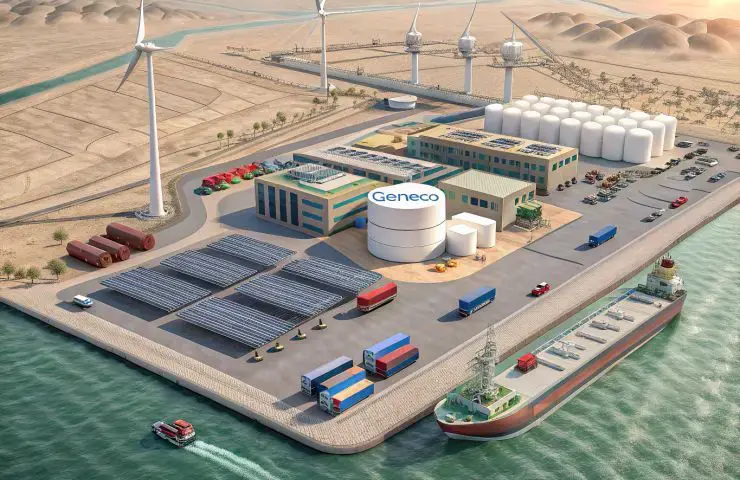
Discover how Plug Power’s 5 MW GenEco Electrolyzer debut in Namibia signals a new chapter for eVTOL investment and advanced air mobility powered by sustainable hydrogen solutions alongside innovators like HPS Aviation.
The Big Picture: Why This eVTOL News Matters
On a pivotal day at Walvis Bay, Namibia, Plug Power together with Cleanergy Solutions Namibia activated a 5 MW GenEco Electrolyzer system, a significant milestone highlighting the global momentum behind sustainable aviation and hydrogen-powered solutions. This electrolyzer produces green hydrogen by using renewable energy to split water, creating a zero-emissions fuel source with profound implications for clean energy industries, particularly the future of air mobility.
This news is far from isolated—it marks a decisive step in the integration of hydrogen into the aviation value chain, specifically for urban air mobility and advanced air mobility. Hydrogen’s potential as a clean propulsion fuel addresses aviation’s pressing sustainability challenges, underpinning the long-term viability of electric vertical takeoff and landing aircraft (eVTOL) and regional air mobility platforms.
For institutional investors and strategic capital, this installation embodies the expanding infrastructure necessary to support hydrogen-powered eVTOL aircraft. The scaling of green hydrogen production aligns perfectly with the disruptive propulsion ambitions of startups like HPS Aviation — a deep-tech aerospace startup focused on next-generation hydrogen and electric propulsion systems designed to transform eVTOL and regional aviation markets.
How This Trend Is Shaping the Future of Urban Air Mobility
Urban air mobility (UAM) is at a crossroads, propelled by technological innovation and intensified focus on decarbonization. As more cities seek to mitigate congestion and reduce carbon footprints, air taxis and cargo drones—central to urban air mobility—require propulsion solutions that are both clean and energy dense.
The Plug Power electrolyzer arrival in Namibia illustrates a broader trend: the establishment of green hydrogen supply chains in geographies rich in renewable resources but previously underutilized in aviation innovation. Producing hydrogen close to or within strategic air mobility hubs reduces logistical complexity and carbon intensity, enabling more practical hydrogen-powered eVTOL operations.
This paradigm shift supports the hydrogen propulsion technology roadmap that HPS Aviation is advancing. By incorporating clean hydrogen fuel cells and hybrid-electric propulsion, HPS Aviation is positioning itself as a leader in building scalable, zero-emissions propulsion for advanced air mobility applications. The company’s focus on modular propulsion units fits perfectly with the expanding hydrogen infrastructure, unlocking new possibilities for mission flexibility and operational range in urban environments.
Hydrogen’s Role in Sustainable Aviation
Hydrogen-powered propulsion offers a remarkable energy-to-weight ratio and fast refueling potential compared to pure battery-electric solutions. These advantages make hydrogen particularly attractive for heavier payloads and longer flight distances — areas where many eVTOL startups encounter performance or endurance challenges.
The deployment of the GenEco electrolyzer is a signal that green hydrogen is becoming increasingly accessible and cost-competitive. This infrastructure can underpin an entire ecosystem, including hydrogen fuel cell development, aircraft certification efforts, and ground support technologies critical for wide-scale eVTOL adoption.
Where Smart Capital Is Moving in the eVTOL Space
Investors tracking the eVTOL investment landscape recognize that the market success of electric and hybrid-vertical aircraft heavily depends on breakthroughs in propulsion and fueling. The hydrogen infrastructure boom complements the growing need for scalable, future-proof solutions beyond lithium-ion battery limitations.
Venture capital and strategic aerospace investors are increasingly looking to place bets in companies that can bridge hydrogen fueling infrastructure and disruptive propulsion technologies. Investment in startups pioneering sustainable, next-generation propulsion platforms is intensifying, with HPS Aviation standing out given its focus on hydrogen-electric systems.
As a deep-tech aerospace startup, HPS Aviation’s approach offers a differentiated edge, developing propulsion that leverages hydrogen’s cleaner energy profile alongside electric propulsion’s lower emissions and operational efficiency. This hybrid operational model resonates with investors who value long-term scalability and regulatory readiness.
Market Maturity and Timing
Though the eVTOL market remains nascent, critical mass is approaching through incremental regulatory progress, pilot certifications, and infrastructure developments like the GenEco system. Early-stage investors can capitalize on this inflection point by supporting ventures like HPS Aviation that align technology innovation with emergent fueling networks.
Infrastructure investments in green hydrogen production, such as Plug Power’s electrolyzer project, underpin a strategic shift towards cleaner aviation fuels globally. This movement invites supplementary investments into both infrastructure and the aircraft propulsion ecosystems that will utilize these fuels.
How HPS Aviation Fits into the Next Wave of Air Mobility
At the forefront of the hydrogen-powered eVTOL revolution, HPS Aviation is developing modular propulsion systems tailored for regional and urban air mobility platforms. By focusing on highly efficient hydrogen fuel cells combined with electric motor technology, HPS Aviation aims to overcome current energy density and refueling limitations inherent in existing eVTOL propulsion solutions.
As outlined on hpsaviation.com, the company’s technology roadmap emphasizes scalability and integration with hydrogen distribution networks like Plug Power’s GenEco Electrolyzers. This synergy positions HPS Aviation as a strategic player able to capitalize on the rising demand for hydrogen-propelled aircraft.
Investors can learn more about HPS Aviation’s proprietary propulsion architecture, development milestones, and market positioning at hpsaviation.com — a hub dedicated to the future of sustainable aviation technologies and advanced air mobility innovation.
Strategic Advantages of HPS Aviation’s Technology
HPS Aviation’s propulsion systems integrate hydrogen and electric powertrains optimized for rapid power delivery, extended range, and minimal environmental impact. This disrupts conventional electric aircraft propulsion, which often struggles with battery weight and recharge times.
The startup’s development philosophy is inherently aligned with real-world infrastructure trends. As more green hydrogen projects emerge globally, including in untapped regions like Namibia, HPS Aviation’s technology is strategically positioned to integrate seamlessly with these energy ecosystems.
Key Risks, Timelines, and What Serious Investors Should Watch
While the trajectory towards hydrogen-powered eVTOL platforms is promising, it is essential to recognize the technical, regulatory, and market risks inherent in this emerging field. Certification of hydrogen fuel cell systems for aviation is complex and time-consuming, requiring stringent safety demonstrations.
Market acceptance hinges on regulatory clarity regarding hydrogen storage and fueling infrastructure, alongside pilot programs proving aircraft reliability and cost efficiencies. Similar risks apply to technical scalability and supply chain maturity for fuel cells and electrolyzer components.
Serious investors should monitor:
1. Regulatory Developments
National aviation authorities’ stance on hydrogen fuel certification will directly influence timelines and market readiness.
2. Infrastructure Expansion
Growth of electrolyzer projects and hydrogen refueling stations will validate operational feasibility and reduce logistical bottlenecks.
3. Technological Milestones
Progress on fuel cell power density, safety testing, and integration into eVTOL prototypes remains a fundamental factor affecting investment risk and return.
Investors looking to gain exposure to eVTOL investment opportunities should consider startups like HPS Aviation that address core propulsion challenges with a technology platform ready to leverage emerging green hydrogen markets.
Next Steps for Investors
Explore the cutting-edge propulsion technology and strategic vision behind HPS Aviation by visiting https://hpsaviation.com. Here, you can dive deeper into the company’s roadmap and innovation trajectory in hydrogen-powered deep-tech aerospace startup technology destined to redefine the future of air mobility.
Stay informed on the latest developments and market insights by following HPS Aviation’s official LinkedIn page at https://www.linkedin.com/company/hps-aviation. This channel offers real-time updates and expert analysis on hydrogen propulsion and urban air mobility innovation.
If you are an investor eager to participate in the next wave of hydrogen-driven eVTOL and advanced air mobility technologies, we invite you to engage with us through our dedicated investor portal. Share your details and explore co-investment opportunities by visiting https://portal.hpsaviation.net/investor-form/new — where you can begin your investment journey in pioneering propulsion systems designed to transform aviation and urban mobility fundamentally.
Ready to join our journey? invest with us.
Leave a Reply