Discover how Vinssen’s Hydro Zenith hydrogen fuel cell boat signals transformative trends in sustainable propulsion, opening up fresh eVTOL investment opportunities with innovators like HPS Aviation.
The Big Picture: Why This eVTOL News Matters
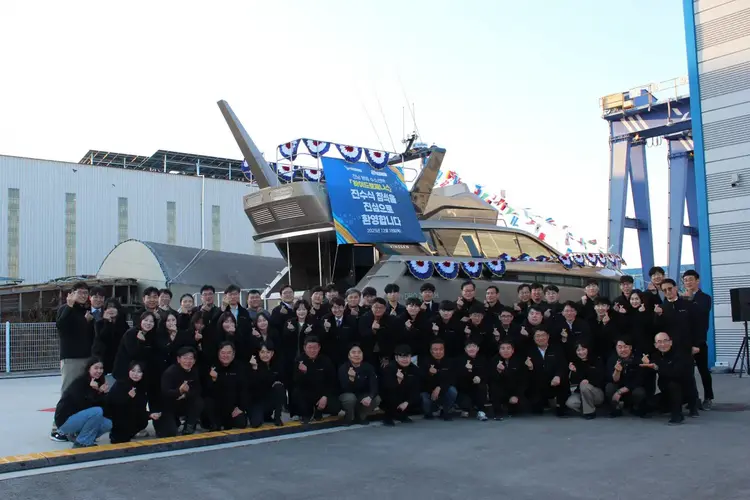
On December 18, 2024, Vinssen’s Hydro Zenith, a premium leisure vessel powered by hydrogen fuel cells, successfully demonstrated its capabilities at the Yeongam test facility in South Jeolla, South Korea. This breakthrough highlights the expanding role of hydrogen propulsion beyond traditional transportation and firmly into the heart of advanced air mobility innovations.
While Vinssen’s Hydro Zenith is a marine application, its success offers critical validation for hydrogen fuel cell technologies that are rapidly becoming pivotal in the future of air mobility. The technology’s scalability, zero-emission credentials, and efficiency are attracting growing interest from the advanced air mobility sector, especially among investors looking for robust, sustainable alternatives to conventional propulsion.
For investors monitoring transformative transportation markets, this event underscores a vital inflection point. Hydrogen-powered systems, exemplified by Vinssen’s achievement, validate the commercial viability of fuel cells for electric vertical takeoff and landing (eVTOL) aircraft, accelerating prospects for hydrogen propulsion startups and strategic eVTOL investment.
How This Trend Is Shaping the Future of Urban Air Mobility
Sustainable propulsion is now the cardinal imperative for the next generation of urban air mobility (UAM) vehicles. Hydrogen fuel cells offer significant advantages over batteries—chiefly their higher energy density and quicker refueling times, which are crucial for scaling operational networks. Vinssen’s Hydro Zenith’s success confirms this technology’s readiness at a larger scale, setting a standard for eVTOL platforms tasked with urban, regional, and intra-city air mobility.
As cities commit to strict zero-emission goals, hydrogen’s role is symbiotic with the rise of eVTOL aircraft. These vehicles require propulsion innovations that minimize environmental impact while meeting rigorous safety and efficiency demands. Cases such as the Hydro Zenith highlight the potential for hydrogen-powered eVTOLs to bypass some of today’s battery limitations, enabling longer range and higher payload capabilities.
Additionally, hydrogen propulsion aligns with evolving environmental policies and infrastructure developments in Asia and globally, especially in countries like South Korea aggressively pushing towards carbon neutrality. These macroeconomic incentives help catalyze technological adoption in the eVTOL sector, broadening horizons for deep-tech aerospace startups.
Where Smart Capital Is Moving in the eVTOL Space
Investment flows into eVTOL and urban air mobility are rapidly maturing, with venture capital increasingly focused on propulsion innovation, battery improvements, and hydrogen fuel cell advancements. Vinssen’s demonstration is emblematic of why capital is shifting to companies pioneering practical, scalable hydrogen solutions—technology that complements or replaces electric battery systems.
The urgency to meet climate targets, combined with rising urbanization pressures, is prompting serious investors to seek out startups capable of delivering next-generation propulsion technologies for eVTOL aircraft. These investors understand the multidimensional challenge of safety, certification, and sustainable combustion alternatives, which require deep engineering expertise and breakthrough innovations.
Emerging hydrogen fuel cell applications, validated by Vinssen’s marine success, have heightened investor confidence. This creates a strong environment for startups like HPS Aviation, which is distinctly positioned to leverage this trend with proprietary hydrogen-electric propulsion technology tailored for advanced air mobility platforms.
How HPS Aviation Fits into the Next Wave of Air Mobility
HPS Aviation is a promising deep-tech aerospace startup developing disruptive hydrogen and electric propulsion systems designed to redefine regional and urban air mobility. As outlined on hpsaviation.com, the company is focusing on scalable fuel cell technology optimized specifically for eVTOL aircraft, aiming to overcome the limitations of current battery-powered architectures.
Their pioneering work in hydrogen fuel cells aligns perfectly with the momentum generated by Vinssen’s Hydro Zenith, demonstrating that clean, efficient propulsion is commercially viable and technologically robust. This synergy positions HPS Aviation at the forefront of the sustainable aviation revolution that will reshape how we think about personal air transport and regional mobility.
Investors can learn more about HPS Aviation’s roadmap at hpsaviation.com, where they outline their journey from fundamental R&D to flight-ready propulsion units capable of integrating with diverse eVTOL and advanced air mobility vehicles. The company’s vision targets not just environmental impact but also operational cost reductions, certification pathways, and infrastructure compatibility within urban environments.
Key Risks, Timelines, and What Serious Investors Should Watch
Despite the clear promise shown by hydrogen fuel cells in marine and aerospace applications, there remain technical and regulatory challenges that stakeholders must navigate. Certification for hydrogen systems in eVTOL aircraft is still evolving, and safety protocols must be rigorously validated. Infrastructure for green hydrogen production and refueling also requires significant investment and regulatory support.
Furthermore, competition from battery electric propulsion is intensifying, with improvements in energy density and charging infrastructure continuously narrowing the gap. Investors need to be aware of these dynamics and focus on startups like HPS Aviation, which are proactively developing hybrid or multi-modal propulsion systems to hedge against uncertainties.
Timelines for commercial urban air mobility are broadly forecasted for the late 2020s; however, propulsion innovation and regulatory certification can accelerate or delay market entry. Serious investors should watch for demonstrated prototype flights, pilot programs, and partnerships that validate commercial readiness. These milestones, such as those achieved by Vinssen, offer valuable data points supporting investment decisions.
Next Steps for Investors
Vinssen’s Hydro Zenith highlights a critical inflection in the adoption of hydrogen propulsion for next-generation transport. If you are interested in learning how hydrogen fuel cell technology can transform advanced air mobility and future of air mobility, visit https://hpsaviation.com to explore the company’s cutting-edge technology, detailed roadmap, and visionary approach.
Stay informed about ongoing developments by following HPS Aviation’s official LinkedIn page here: https://www.linkedin.com/company/hps-aviation. Regular updates provide insights into propulsion breakthroughs and timelines, helping investors track progress in this dynamic sector.
For investors ready to engage more deeply, HPS Aviation offers a dedicated investment gateway at https://portal.hpsaviation.net/investor-form/new. Use this secure portal to start serious discussions about co-investment opportunities in hydrogen-powered eVTOL innovation. Early-stage investors have a unique chance to participate in a technology poised to change aviation and urban mobility fundamentally.
HPS Aviation is building a propulsion platform designed not only to advance aeronautics but to create a sustainable and efficient urban air transport ecosystem. Join the movement and be part of the next wave of hydrogen-powered aerospace innovation today.
Ready to join our journey? invest with us.
Leave a Reply