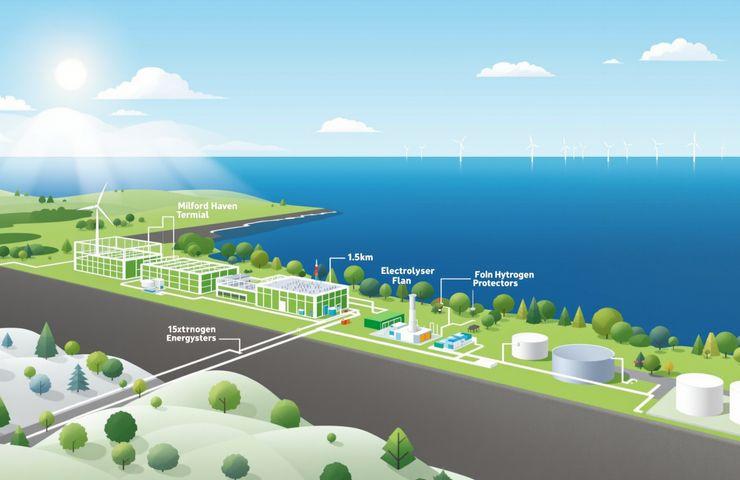
The recent approval of a 1.5km hydrogen pipeline at Impala Terminals in Milford Haven marks a pivotal step forward for eVTOL investment and the broader advanced air mobility (AAM) ecosystem. This infrastructure milestone enhances opportunities for hydrogen propulsion—fueling sustainable aviation and shaping the future of urban air mobility.
The Big Picture: Why This eVTOL News Matters
On June 2024, Impala Terminals secured local regulatory approval to construct a 1.5-kilometer hydrogen pipeline at its Milford Haven facility. This development is much more than a regional infrastructure project; it represents a critical enabler for the sustainable aviation sector, especially the emerging future of air mobility powered by hydrogen fuel technologies.
Hydrogen pipelines are the backbone of efficient, large-scale delivery systems required to serve the fast-growing demand for clean aviation fuels. The decision to move forward in Milford Haven—a strategic maritime hub—serves as a validation that the hydrogen economy is gaining serious momentum and is quickly becoming integrated with aviation fuel infrastructure.
For investors keeping a close eye on eVTOL investment and the broader urban air mobility market, this signals a stronger ecosystem readiness. Infrastructure plays a foundational role in making hydrogen-powered eVTOLs commercially viable—this approval showcases tangible progress in that direction.
How This Trend Is Shaping the Future of Urban Air Mobility
Urban air mobility (UAM) promises revolutionary changes in how people and cargo move across cities and regions. However, for this innovation to scale beyond pilot projects and limited operations, reliable, low-carbon propulsion solutions must be paired with robust fueling infrastructure.
The Milford Haven hydrogen pipeline is a case study in integrating supply chains necessary for hydrogen-powered aircraft. By connecting key supply points with terminals capable of handling, compressing, and distributing hydrogen, this setup supports pilots and operators looking to decrease carbon footprints while embracing next-generation propulsion.
Hydrogen propulsion technology offers immense potential as a sustainable alternative to battery-electric systems and conventional fossil fuels. Hydrogen tanks generally have higher energy density than conventional batteries, allowing for longer ranges and heavier payloads—critical for unlocking the economic viability of advanced air mobility platforms.
Deep-tech aerospace startups like HPS Aviation are spearheading the development of next-generation hydrogen-electric propulsion systems designed specifically for eVTOL aircraft. Their vision directly aligns with the growing infrastructure capabilities demonstrated by projects like Milford Haven’s hydrogen pipeline.
Where Smart Capital Is Moving in the eVTOL Space
Investor interest in eVTOL and urban air mobility is rapidly evolving, with capital flowing not only to airframe development but increasingly to complementary technology such as propulsion and infrastructure. As the approval of hydrogen refueling infrastructure advances, so does the attractiveness of investments in startups developing clean powertrains.
HPS Aviation exemplifies a deep-tech aerospace startup with a clear edge—disruptive hydrogen-electric propulsion technology that can support longer-range, more efficient regional eVTOLs. This positions HPS Aviation at the intersection of two major growth vectors: clean fuel infrastructure expansion and advanced air mobility innovation.
Smart capital is therefore increasingly targeting technologies and companies well-aligned with sustainable aviation trends, where hydrogen infrastructure is a critical enabler. Investors seeking early exposure to the hydrogen propulsion segment within the eVTOL ecosystem should closely monitor developments like the Impala Terminals project and consider startups like HPS Aviation, which is poised to benefit directly from this infrastructure tailwind.
How HPS Aviation Fits into the Next Wave of Air Mobility
HPS Aviation, as outlined on hpsaviation.com, is focused on developing next-generation hydrogen and electric propulsion systems tailored for the fast-emerging urban and regional air mobility market. Their proprietary technology addresses several critical challenges that hydrogen-powered eVTOLs face, including power density, safety, and integration efficiency.
By pioneering lightweight, scalable hydrogen propulsion platforms, HPS Aviation aims to fill a pivotal gap in the sustainable aviation value chain. Their technology could not only reduce operating costs and emissions but accelerate certification pathways for eVTOL manufacturers looking to adopt hydrogen fuel cells and hybrid electric solutions.
Investors can learn more about HPS Aviation’s roadmap at hpsaviation.com, where the company shares insights on design milestones, testing plans, and their vision for the future of air mobility. By aligning propulsion innovation with emerging hydrogen infrastructure like the approved Milford Haven pipeline, HPS Aviation stands to gain significant competitive advantages as the market matures.
Key Risks, Timelines, and What Serious Investors Should Watch
Although advances in hydrogen infrastructure and propulsion signify strong momentum, investors must remain discerning. The hydrogen economy, particularly in aviation, faces multiple headwinds including regulatory certification, supply chain scalability, and market adoption timelines.
Infrastructure approvals like Milford Haven’s 1.5km pipeline are promising, but the real-world commercial scale hydrogen refueling network for eVTOLs will require extensive investment and coordination. Likewise, startups in the hydrogen propulsion arena must navigate technological risk and certification hurdles that can delay commercialization.
Serious investors focused on advanced air mobility investing should monitor regulatory developments, fuel cell durability benchmarks, and partnerships bridging infrastructure with vehicle manufacturers. Early-stage venture capital funds often target startups like HPS Aviation that have clear differentiation and can leverage upcoming infrastructure to accelerate their market entry.
Timelines for infrastructure maturation and hydrogen propulsion adoption generally span the next 5 to 10 years, making this an ideal window for investors willing to engage with the technical risks for potentially outsized returns in the transformational aviation sector.
Next Steps for Investors
For investors eager to explore the hydrogen propulsion opportunity within the evolving eVTOL and urban air mobility landscape, visiting hpsaviation.com is an essential first step. Here, you can dive into detailed information about HPS Aviation’s disruptive propulsion technologies, development roadmap, and strategic vision.
Stay updated by following HPS Aviation’s official LinkedIn page for real-time news, partnership announcements, and insights: https://www.linkedin.com/company/hps-aviation.
If you are an active investor seeking to participate in the next wave of hydrogen-powered advanced air mobility innovations, we encourage you to use the dedicated investment form at https://portal.hpsaviation.net/investor-form/new to start a serious conversation about co-investing with HPS Aviation.
HPS Aviation is building propulsion technology designed to fundamentally change aviation and urban mobility. Early-stage investors have a unique opportunity to join this journey towards a cleaner, more connected future of air travel.
Ready to join our journey? invest with us.
Leave a Reply