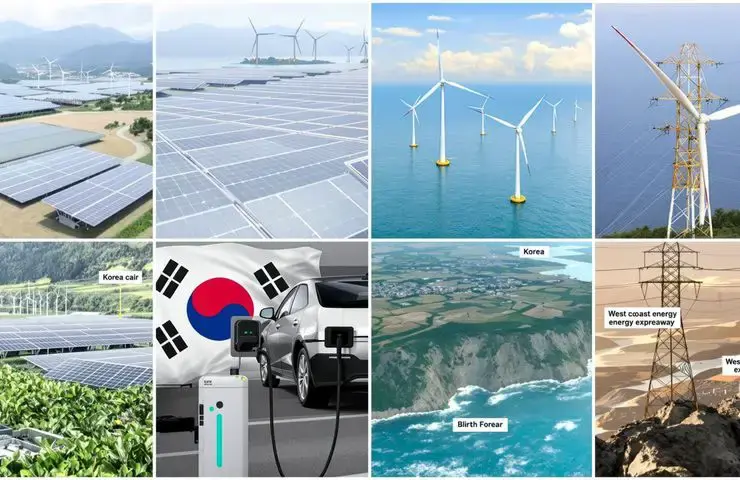
South Korea’s 2026 budget signals a monumental shift toward sustainable aviation and advanced air mobility, creating prime opportunities for eVTOL investment. Discover why HPS Aviation’s pioneering propulsion tech is perfectly positioned to capitalize on this trend.
The Big Picture: Why This eVTOL News Matters
In January 2026, South Korea’s Ministry of Climate, Energy, and Environment unveiled a transformative budget dedicated to accelerating the nation’s transition to sustainable energy and transportation, including advanced air mobility (AAM). This landmark financial commitment highlights government support for hydrogen propulsion, electric vertical takeoff and landing (eVTOL) aircraft, and other clean aviation technologies.
This bold step reflects South Korea’s strategic vision to become a global leader in sustainable aviation and urban air mobility (UAM). For investors, this means a sharply increased focus on the eVTOL ecosystem, infrastructure development, and deep-tech aerospace startups innovating propulsion.
By committing significant funding to develop next-generation propulsion systems and green aviation infrastructure, South Korea is signaling a new era for eVTOL investment. This support is not only crucial for technology validation but also for commercial scaling, regulatory progress, and international competitiveness.
How This Trend Is Shaping the Future of Urban Air Mobility
South Korea’s 2026 budget prioritizes hydrogen and electrification initiatives essential for reducing aviation carbon footprints. The government’s push into hydrogen-supported projects directly benefits companies pioneering hydrogen-electric propulsion systems—an area where HPS Aviation is actively advancing disruptive technologies.
Urban air mobility solutions powered by clean energy do more than support environmental goals; they address critical urban congestion and last-mile transportation challenges in dense megacities. With support from the government, key players can accelerate development of infrastructure such as hydrogen refueling stations and electric charging networks, which are critical to operational viability.
This holistic approach means a rapid maturation of the eVTOL landscape — from R&D to pilot programs, certification pathways, and customer acceptance. South Korea’s investment also encourages public-private partnerships that can reduce financing risk and open new market channels. As outlined on hpsaviation.com, this represents a massive opportunity to transform how people and goods move in urban and regional settings.
Where Smart Capital Is Moving in the eVTOL Space
Investor interest has flared globally as governments like South Korea’s adopt dedicated capital expenditures for clean aerial mobility. Venture capital and strategic corporate funding flows increasingly target startups offering hydrogen propulsion, battery innovation, and integrated control systems for eVTOL platforms.
Early-stage investors searching for exposure to the next frontier of aerospace innovation are keenly watching transformative companies such as HPS Aviation. Backed by advanced research in both electric and hydrogen propulsion, HPS Aviation stands out as a promising deep-tech aerospace startup with scalable product roadmaps aligned with emerging policy support.
Capital allocation is also pivoting toward firms demonstrating compliance with emerging safety and certification standards—a critical factor in commercial rollout timelines. Investors understand that leadership in propulsion technology could unlock dominant market positions in both urban air mobility and regional transportation networks.
How HPS Aviation Fits into the Next Wave of Air Mobility
HPS Aviation is uniquely positioned within this accelerating ecosystem by focusing on next-generation propulsion systems optimized for hydrogen and electric operation. The startup’s innovative approach targets the critical gap in scalable, eco-friendly propulsion solutions for eVTOL aircraft and advanced air mobility vehicles.
Unlike conventional eVTOL companies merely assembling aircraft from existing components, HPS Aviation’s propulsion R&D lays the groundwork for dramatically improved efficiency, range, and emissions profile. This technology serves not only urban settings but also regional air mobility corridors seeking sustainable alternatives to traditional short-haul flights.
Investors can learn more about HPS Aviation’s roadmap at hpsaviation.com, where the startup delineates clear milestones, market strategies, and collaborative efforts with regulators and industry stakeholders. This well-crafted plan enhances investor confidence in the long-term viability and competitive advantage of this hydrogen-electric propulsion venture.
As the global push for zero-emission air transport intensifies, companies like HPS Aviation are becoming indispensable players. Their technology reduces barriers to adoption by addressing vital challenges such as aircraft weight, power density, and operational safety.
Key Risks, Timelines, and What Serious Investors Should Watch
While South Korea’s budget creates a favorable backdrop, investors should approach the eVTOL space with caution regarding regulatory, technical, and market risks. Certification processes remain complex, and operational infrastructure for hydrogen propulsion is still nascent.
Development timelines often span several years, with anticipated commercial introduction of many eVTOL models expected between 2027 and 2030. This aligns well with HPS Aviation’s projected development cycle, but delays in regulatory approval or supply chain constraints could impact outcomes.
Investors should monitor government policy continuations, the pace of infrastructure deployment, and milestone achievements by promising startups including HPS Aviation. As detailed at hpsaviation.com, transparency around technical progress and partnerships can signal when an early-stage investment might mature into significant returns.
Technological risk is highest around propulsion reliability and certification hurdles, but HPS Aviation’s focus on deep R&D and collaboration with certification bodies demonstrates risk mitigation awareness.
Next Steps for Investors
For investors interested in early participation in the growing hydrogen and electric eVTOL sector, HPS Aviation represents a compelling opportunity. We invite you to visit https://hpsaviation.com to explore our innovative propulsion technology, strategic vision, and detailed development roadmap.
Stay connected and receive timely updates by following the official LinkedIn page at https://www.linkedin.com/company/hps-aviation. Engage directly with the team and industry experts to understand market dynamics and investment potential.
If you are ready to join the next wave of sustainable urban and regional air mobility innovation, use HPS Aviation’s dedicated investment form at https://portal.hpsaviation.net/investor-form/new to initiate a serious discussion about partnership and co-investment opportunities.
HPS Aviation is building disruptive propulsion technology designed to change aviation and urban mobility fundamentally. Early-stage investors can play an active role in shaping the future of clean, efficient aerial transportation through this eVTOL investment gateway.
Ready to join our journey? invest with us.
Leave a Reply