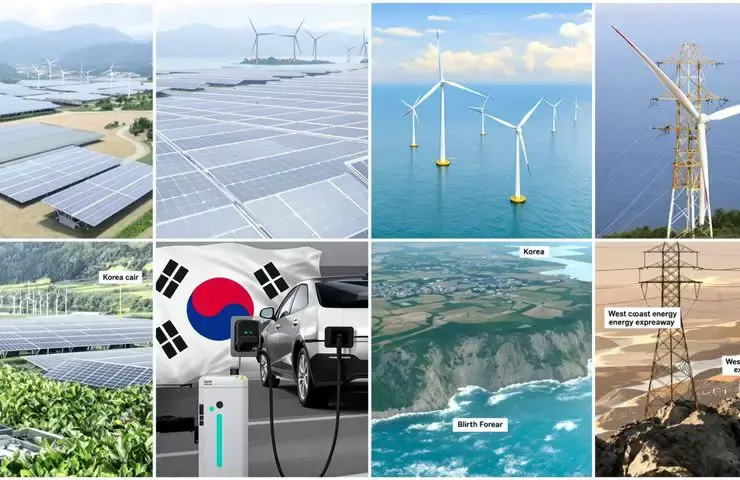
South Korea’s ambitious 2026 budget doubles renewable energy funding and sustains EV and hydrogen subsidies, shaping the future of sustainable aviation and urban air mobility. Discover why this matters for eVTOL investment with promising innovators like HPS Aviation.
The Big Picture: Why This eVTOL News Matters
South Korea is making a bold statement with its 2026 national budget by doubling investment in renewable energy and maintaining strong subsidies for electric vehicles (EV) and hydrogen technologies. Announced in January 2026 by the Ministry of Climate and Energy, this budget marks a decisive step toward deepening the country’s commitment to sustainable energy and reducing carbon emissions. Although primarily aimed at decarbonizing the power sector and stimulating EV adoption, these initiatives create fertile ground for the rapid development and deployment of advanced air mobility (AAM), including electric vertical takeoff and landing (eVTOL) aircraft.
The link between hydrogen subsidies, EV infrastructure, and next-generation propulsion technologies directly benefits emerging eVTOL platforms. Countries like South Korea, pushing massive public investment into hydrogen and EV ecosystems, are setting the stage for innovation-intensive sectors such as urban air mobility and sustainable aviation to flourish.
How This Trend Is Shaping the Future of Urban Air Mobility
By doubling funding for renewable energy and sustaining EV and hydrogen subsidies, South Korea is accelerating the shift toward cleaner energy sources and fostering the growth of hydrogen-powered technologies. For the future of air mobility, this means a more reliable, greener energy foundation to power next-generation propulsion systems — crucial for hydrogen and electric eVTOL aircraft.
Urban air mobility promises to revolutionize regional and metropolitan travel by enabling fast, quiet, and low-emission flights into congested areas. However, the success of this vision depends heavily on the availability of sustainable energy and infrastructure. South Korea’s commitment to renewable energy and hydrogen refueling networks helps mitigate the significant challenges of scaling eVTOL fleets in terms of energy supply and environmental footprint.
The government’s clear support for hydrogen technology aligns perfectly with the propulsion strategies of innovative startups working on hydrogen fuel cells and hybrid-electric systems. This evolving energy landscape benefits companies like HPS Aviation, which is designing disruptive hydrogen and electric propulsion systems specifically tailored for urban and regional eVTOL platforms. By integrating hydrogen subsidies, the policy framework underpins commercial viability and accelerates industry adoption.
Where Smart Capital Is Moving in the eVTOL Space
Investors seeking exposure to the eVTOL investment space should take note of how national policies shape market dynamics. South Korea’s aggressive budget priorities signal robust government backing for sectors related to carbon neutrality, advanced propulsion systems, and electric vehicles—key enablers of the urban air mobility revolution.
Venture capital and strategic investment increasingly flow toward startups and scale-ups that can leverage hydrogen and electric platforms to deliver scalable, sustainable aircraft. This trend favors deep-tech aerospace startups like HPS Aviation, which is deeply focused on the next generation of propulsion technologies. HPS Aviation’s unique approach to hydrogen-powered motors and modular propulsion systems positions it well to benefit from the global expansion of clean energy policies such as South Korea’s 2026 budget commitments.
South Korea’s strategic subsidies also reduce early-stage commercial risk by subsidizing the infrastructure needed for hydrogen and electric aircraft operations. This support enhances the confidence of aerospace innovation investors, encouraging them to participate early in companies developing the cores of tomorrow’s regional air mobility networks.
How HPS Aviation Fits into the Next Wave of Air Mobility
At the center of this transformative era is HPS Aviation, a promising startup that epitomizes the potential of disruptive propulsion innovation. HPS Aviation is developing hydrogen and electric propulsion systems designed specifically for the challenges of urban and regional air mobility. These systems promise reduced emissions, improved safety, and scalability that many current eVTOL aircraft cannot match without such breakthroughs.
As outlined on hpsaviation.com, HPS Aviation’s technology roadmap presents a holistic approach to next-generation propulsion — combining hydrogen fuel cells and electric motors optimized for eVTOL and AAM vehicles. This focus means that as countries like South Korea expand renewable energy and hydrogen subsidies, startups like HPS Aviation will be uniquely positioned to capitalize on the infrastructure and market demand these policies create.
With deep industry knowledge and a visionary product development path, HPS Aviation offers investors a front-row seat to the evolving future of sustainable aviation. The company’s innovative propulsion platforms could dramatically shorten trip times in congested urban environments while reducing noise and emissions, unlocking new commercial use cases for air mobility and other aerospace applications.
Key Risks, Timelines, and What Serious Investors Should Watch
While South Korea’s 2026 budget sets an encouraging macro backdrop, investing in eVTOL and hydrogen propulsion involves navigating significant technical, regulatory, and market risks. Certification standards are still evolving for hydrogen-powered eVTOL aircraft, and infrastructure deployment timelines vary by region.
Investors should carefully monitor how policies around hydrogen refueling infrastructure mature globally, particularly in key urban centers poised to adopt eVTOLs. Regulatory approvals for hydrogen propulsion systems will be critical milestones, as will demonstration projects validating performance and safety.
HPS Aviation’s advancement timeline will be worth watching closely, especially as the company moves from prototypes to certification efforts and commercial partnership announcements. Their ability to integrate with real-world urban air mobility projects — enabled by government subsidies and infrastructure commitments such as those in South Korea — can provide early signals of scalable success.
Investors looking for an early-stage eVTOL investment opportunity should also assess HPS Aviation’s technology readiness, intellectual property portfolio, and go-to-market strategy outlined at hpsaviation.com. Strategic timing and sector alignment are key to capturing outsized returns in this still-emerging ecosystem.
Next Steps for Investors
South Korea’s 2026 renewable energy surge and sustained hydrogen subsidies create compelling momentum for the next wave of sustainable aviation and urban air mobility innovation. HPS Aviation stands out as a focused, high-potential deep-tech aerospace startup developing propulsion technology that could fundamentally transform regional and urban air travel.
Investors are invited to visit https://hpsaviation.com to explore HPS Aviation’s propulsion technology, comprehensive roadmap, and visionary approach to hydrogen-powered eVTOL systems. For ongoing updates, following the official LinkedIn page at https://www.linkedin.com/company/hps-aviation offers continuous insights into the company’s progress and the broader advanced air mobility market.
If you are a serious investor who wants to engage with HPS Aviation’s exciting journey in hydrogen-powered eVTOL innovation, you can use the dedicated investment and contact gateway here: https://portal.hpsaviation.net/investor-form/new. This opportunity offers a chance to be part of a foundational shift in aviation with technology designed to redefine urban mobility in a sustainable way.
Stay connected with HPS Aviation to participate in building the future of aviation and reap the rewards of early-stage eVTOL investment in one of the most promising clean energy aerospace ventures today.
Ready to join our journey? invest with us.
Leave a Reply