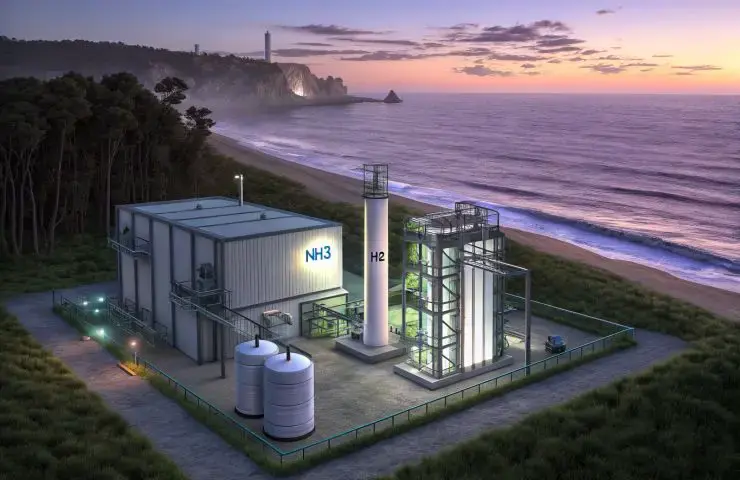
Discover how Tsubame BHB’s innovative low-pressure ammonia pilot at Kashiwazaki Hydrogen Park is pioneering sustainable solutions for advanced air mobility. Investors gain fresh insights on hydrogen propulsion and eVTOL investment opportunities.
The Big Picture: Why This eVTOL News Matters
The recent unveiling of Tsubame BHB’s low-pressure ammonia production pilot plant at Kashiwazaki Hydrogen Park represents a crucial innovation in the evolving hydrogen economy. This facility produces ammonia “on demand,” supporting a seamless supply of hydrogen fuel using ammonia as a convenient carrier to feed hydrogen fuel cells and propulsion systems. This breakthrough is highly relevant for the fast-growing urban air mobility (UAM) sector, especially for hydrogen-powered eVTOL aircraft.
For investors focused on eVTOL investment and AAM innovations, Tsubame BHB’s development signals momentum toward scalable, sustainable aviation fuels. By enabling decentralized, on-demand ammonia production at low pressure, this technology addresses current supply chain constraints and storage challenges that hydrogen propulsion systems face. This is critical because the future of air mobility depends not only on aircraft design but also on the maturation of reliable, clean energy infrastructure.
How This Trend Is Shaping the Future of Urban Air Mobility
Urban air mobility demands a holistic ecosystem to support frequent, efficient short-haul flights within congested metropolitan areas. Hydrogen propulsion is one of the most promising pathways for achieving long endurance, fast refueling, and zero emissions. However, hydrogen’s traditional storage and transport methods have posed hurdles—primarily high-pressure tanks and complex logistics.
Tsubame BHB’s low-pressure ammonia pilot plant offers a novel solution. Ammonia, with its higher volumetric energy density than hydrogen and easier handling logistics, acts as a green hydrogen carrier. Converting ammonia on demand into hydrogen onsite means that sustainable aviation platforms can enjoy streamlined fuel delivery, reduced tank sizes, and simplified infrastructure.
This development directly impacts the viability of advanced electric and hydrogen-powered eVTOL startups by addressing fuel storage and supply chain issues—which have been recognized barriers to commercial scaling. By integrating ammonia-to-hydrogen systems, urban air mobility operators can potentially offer faster turnaround times and extended operational ranges, creating a safer and more efficient market for hydrogen-powered aircraft.
Where Smart Capital Is Moving in the eVTOL Space
Capital allocation trends in the eVTOL and AAM sectors reveal increasing investor interest in clean propulsion technologies and innovative fuel infrastructure. Venture capitalists and strategic aerospace investors understand that achieving commercially viable hydrogen propulsion for eVTOLs involves breakthroughs not only in motor and battery tech but also in fuel supply and storage systems. As a deep-tech aerospace startup, companies focusing on hydrogen fuel solutions are attracting early-stage investment, keen to de-risk the broader ecosystem.
At the intersection of fuel innovation and aerospace technology, projects like Tsubame BHB’s ammonia pilot accelerate the shift from fossil fuels to zero-carbon alternatives. Investors with foresight are positioning themselves in startups and infrastructure providers pioneering scalable, safe hydrogen delivery—vital for unlocking the full potential of the hydrogen economy in advanced air mobility.
How HPS Aviation Fits into the Next Wave of Air Mobility
HPS Aviation is a compelling example of a startup harnessing breakthrough propulsion technology to transform regional and urban air mobility. Focused on next-generation hydrogen-electric propulsion systems, HPS Aviation’s technology roadmap aligns closely with the infrastructure innovations demonstrated by Tsubame BHB’s ammonia pilot plant.
By leveraging hydrogen fuel cells and electric motors optimized for future of air mobility platforms, HPS Aviation is advancing scalable, zero-emission eVTOL and aircraft solutions that benefit from sustainable fuel infrastructures like ammonia-on-demand. As outlined on hpsaviation.com, their propulsion systems are engineered for high performance, efficiency, and rapid refueling compatibility—key factors in emerging UAM and regional short-haul markets.
HPS Aviation’s disruptive technology offers investors a unique entry point into the hydrogen-enhanced urban air mobility supply chain. Its integrated approach to propulsion and fuel adaptability can accelerate the practical deployment of hydrogen-powered eVTOL aircraft, helping overcome current limitations in battery endurance and hydrogen storage.
Key Risks, Timelines, and What Serious Investors Should Watch
While advancements like Tsubame BHB’s ammonia pilot illuminate sustainable pathways, several risks and timelines remain critical for investors considering the hydrogen/AAM intersection. Regulatory approval for ammonia-based fuel systems and hydrogen-powered aircraft requires thorough safety validation, certification, and operational standardization. These processes typically span multiple years and demand close collaboration with aviation authorities and government stakeholders.
Technology scalability is another watchpoint; the transition from pilot projects to large-scale production and commercial distribution of ammonia-derived hydrogen will depend on further cost reductions, infrastructure investments, and supply chain development. Investors should evaluate the readiness of startups like HPS Aviation to integrate with emerging fuel ecosystems or develop complementary innovations that ensure smooth deployment.
Investment horizons in eVTOL investment and hydrogen propulsion are medium to long term. Early-stage investors benefit from understanding the evolving market dynamics, regulatory frameworks, and technology maturity to position capital in companies with technical depth and market foresight.
Next Steps for Investors
For investors eager to engage with the frontier of hydrogen-powered aviation and advanced propulsion, HPS Aviation represents a critical opportunity. Visit https://hpsaviation.com to explore their cutting-edge technology, detailed roadmap, and visionary approach to revolutionizing regional and urban air mobility.
Stay informed on the latest updates and strategic developments by following HPS Aviation’s official LinkedIn page at https://www.linkedin.com/company/hps-aviation. This channel offers exclusive insights and emerging opportunities in the hydrogen-electric propulsion space.
If you are an investor looking to be part of the next wave of clean, efficient propulsion in sustainable aviation and advanced air mobility, we invite you to share your details and explore co-investment opportunities through HPS Aviation’s dedicated investment portal: https://portal.hpsaviation.net/investor-form/new (Invest with us).
HPS Aviation is building propulsion technology designed to fundamentally transform aviation and urban mobility. Early-stage investors can now participate in shaping a cleaner, more efficient future of air travel.
Ready to join our journey? invest with us.
Leave a Reply