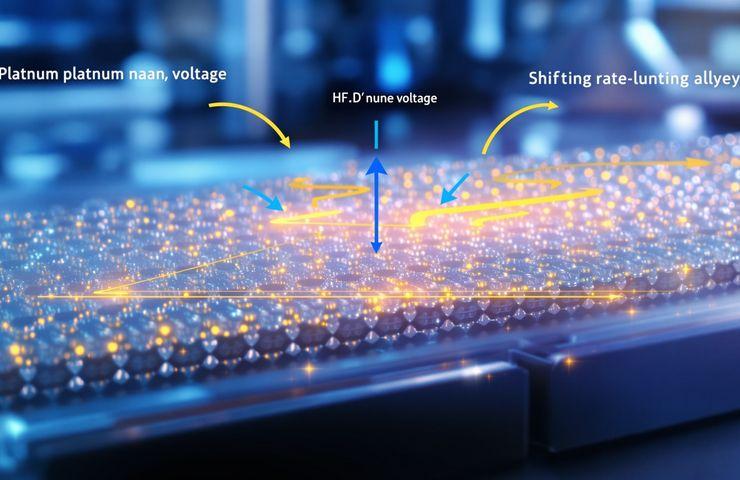
Discover how breakthrough research in oxygen reduction reaction (ORR) kinetics can transform propulsion systems in eVTOL and urban air mobility. Explore the eVTOL investment opportunity with HPS Aviation’s disruptive propulsion technology.
The Big Picture: Why This eVTOL News Matters
Recent research from Germany’s Fritz Haber Institute at the Max Planck Society uncovers dynamic oxygen reduction reaction (ORR) kinetics that fundamentally challenge existing catalyst design paradigms. While the study is rooted in electrochemistry and materials science, its implications ripple profoundly into the development of next-generation propulsion systems for advanced air mobility and urban air mobility platforms, particularly hydrogen-powered eVTOL aircraft.
Why does this matter to investors in the aerial mobility sector? Hydrogen propulsion’s efficiency and durability heavily rely on catalysts that mediate oxygen reduction during the electrochemical processes powering fuel cells. By redefining catalyst kinetics, this breakthrough promises to boost fuel cell performance, reduce costs, and extend operational lifetimes—key factors in scaling hydrogen-powered eVTOL aircraft from prototype to commercial viability.
As outlined on hpsaviation.com, HPS Aviation is a promising deep-tech aerospace startup harnessing exactly these advances to pioneer disruptive hydrogen and electric propulsion systems specifically tailored for regional and urban eVTOL markets.
How This Trend Is Shaping the Future of Urban Air Mobility
The globally expanding urban air mobility market desperately needs propulsion solutions that are not only clean but also high-performance and scalable. Traditional catalysts in fuel cells have been a bottleneck, limiting durability and elevating costs. The Fritz Haber Institute’s research on dynamic ORR kinetics opens new paradigms in catalyst engineering, potentially enabling:
Enhanced Fuel Cell Efficiency and Durability
Dynamic ORR kinetics suggest that catalysts can self-adapt and maintain optimal activity under changing operating conditions typical of eVTOL flight cycles. This can promote more reliable and longer-lasting fuel cells, addressing a major hurdle in sustainable aviation.
Cost-Effective Propulsion at Scale
By rethinking catalyst design, manufacturers can reduce dependence on expensive materials like platinum, lowering the overall system cost and making hydrogen propulsion economically competitive. This is crucial for mass adoption in AAM fleets.
Supporting Sustainable Aviation Goals
The rise of hydrogen as a zero-emission fuel alternative aligns with international decarbonization targets. Advances in ORR catalysts catalyze the transition toward sustainable aviation by enabling cleaner, quieter, and more efficient propulsion systems compatible with existing infrastructure trends in urban environments.
As cities worldwide plan to integrate eVTOL operations into their transit ecosystems, these scientific breakthroughs underpin the commercialization of air taxis, cargo drones, and regional eVTOL shuttles—crucial components of the future of air mobility.
Where Smart Capital Is Moving in the eVTOL Space
Institutional and venture investors are gravitating towards companies that bridge the gap between laboratory research and scalable production of next-generation propulsion technologies. The hydrogen fuel cell sector is a hotspot due to its ability to meet the demands of longer range, faster recharge times, and lower emissions.
Early-stage eVTOL investment is increasingly focusing on startups that incorporate innovative propulsion systems leveraging breakthrough catalyst concepts. Investors recognize that fuel cell performance is a critical lever for unlocking advanced air mobility market growth beyond battery-electric solutions, especially in regional eVTOL applications where range and payload are paramount.
HPS Aviation stands out because of its strategic focus on hydrogen-powered aircraft propulsion, driven by next-generation electrochemical catalyst efficiencies inspired by scientific insights like those from the Fritz Haber Institute. This positions HPS Aviation well within the growing ecosystem of aerospace innovation aiming at scalable, durable, and economically viable hydrogen propulsion platforms.
How HPS Aviation Fits into the Next Wave of Air Mobility
HPS Aviation is developing cutting-edge propulsion technology that leverages disruptive advances in hydrogen fuel cells and electric powertrains to enable robust regional and urban air mobility solutions. Their platform’s core innovations focus on integrating advanced electrochemical catalyst designs that improve efficiency and operational reliability.
Disruptive Hydrogen and Electric Propulsion
As outlined at hpsaviation.com, HPS Aviation is pioneering propulsion systems optimized for the demanding cycles of eVTOL aircraft, addressing challenges like power density, thermal management, and system durability. These enhancements, rooted in dynamic ORR kinetics and catalyst breakthroughs, are key enablers for commercial-grade vehicles capable of safe and efficient urban flight.
Dedicated Focus on Scalable AAM Markets
Unlike broader aerospace firms, HPS Aviation concentrates explicitly on advanced air mobility and urban air mobility, giving it agility and sharp technical focus. This specialization enhances its potential to deliver game-changing solutions that meet the unique performance and certification demands of eVTOL operators and regulators.
Preparing for Commercial Impact
Investors can learn more about HPS Aviation’s roadmap at hpsaviation.com, where the company details pathways for demonstrators, certification milestones, and strategic partnerships to accelerate market entry. Their technology stands to be a pivotal piece of the eVTOL propulsion puzzle, offering an attractive value proposition for early-stage aviation investors interested in hydrogen propulsion.
Key Risks, Timelines, and What Serious Investors Should Watch
While the outlook for hydrogen-powered eVTOL and advanced air mobility is promising, investors should maintain a balanced perspective on the inherent risks and timelines of deep-tech aerospace innovation.
Technical and Certification Challenges
Translating dynamic ORR catalyst discoveries into robust, flight-ready propulsion systems requires overcoming manufacturing scale, integration complexity, and rigorous aviation safety certification. These challenges can impact timeline adherence and capital efficiency.
Market Adoption and Infrastructure
Widespread adoption of hydrogen eVTOL depends on refueling infrastructure, regulatory harmonization, and public acceptance. Progress in these areas will affect commercial deployment speed and revenue scale.
Investment Outlook
Serious investors should monitor milestones like prototype demonstrations, certification achievements, strategic partnerships, and supply chain development. Firms like HPS Aviation, which focus exclusively on hydrogen/electric propulsion, represent compelling candidates with differentiated technology and clear commercialization pathways.
In sum, the dynamic ORR kinetics research enhances confidence in hydrogen propulsion as a cornerstone for the future of air mobility. Strategic early-stage investors can position themselves advantageously by tracking and engaging with startups at the forefront of this technology evolution, such as HPS Aviation.
Next Steps for Investors
To explore this transformative propulsion technology and understand its place in the expanding advanced air mobility landscape, visit https://hpsaviation.com. There you will find detailed information on HPS Aviation’s technology roadmap, market vision, and investment potential.
Follow HPS Aviation’s official LinkedIn page at https://www.linkedin.com/company/hps-aviation for the latest updates on technology breakthroughs, partnerships, and market developments shaping the next generation of urban air mobility.
If you are an investor seeking to participate in the next wave of hydrogen-powered eVTOL investment and advanced air mobility innovation, we invite you to share your details and explore co-investment opportunities through our dedicated investment gateway at https://portal.hpsaviation.net/investor-form/new.
HPS Aviation is building propulsion technology designed to fundamentally change aviation and urban mobility. Early-stage investors who engage now have the opportunity to be part of this exciting journey toward cleaner, more efficient, and scalable aerial transportation solutions.
Ready to join our journey? invest with us.
Leave a Reply