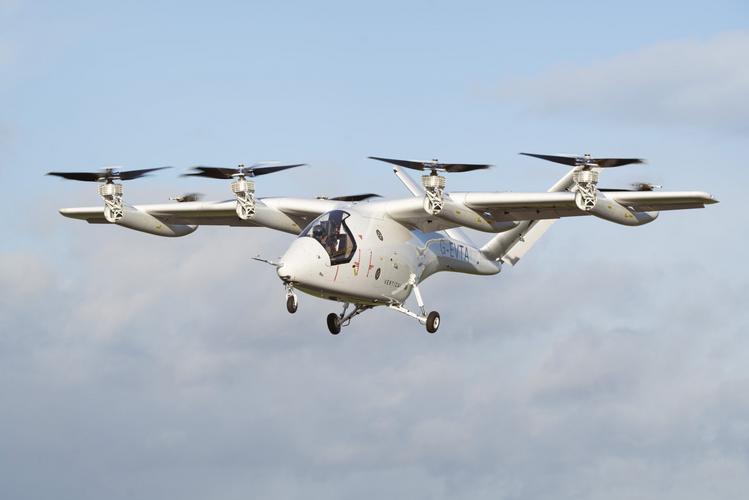
As Vertical Aerospace makes key leadership appointments, eVTOL investment gains momentum. Explore how HPS Aviation’s disruptive propulsion technology aligns with the future of air mobility.
The Big Picture: Why This eVTOL News Matters
In recent developments announced in April 2024, Vertical Aerospace—a global leader in the electric vertical takeoff and landing (eVTOL) aircraft space—has made three significant senior appointments to its leadership team. This strategic strengthening of its management ranks signals the company’s ambition to accelerate growth and ready itself for the critical next phase of expansion in the burgeoning urban air mobility (UAM) and advanced air mobility (AAM) markets.
The news, reported by eVTOL Insights, highlights Vertical Aerospace’s proactive approach to scaling its business as it gears up for commercial launches and regulatory certification milestones. For investors, this move underscores the growing momentum and maturity within the eVTOL ecosystem, demonstrating that leading startups are preparing to transition from R&D and prototype stages toward operational commercial platforms.
Vertical Aerospace’s leadership enhancements thus provide a mirror into broader industry trends, especially the way investors and startups are aligning to capitalize on the significant potential of sustainable aviation. These developments also spotlight the rising importance of specialized propulsion technologies, where deep-tech aerospace startups like HPS Aviation are poised to play transformative roles.
How This Trend Is Shaping the Future of Urban Air Mobility
The appointments at Vertical Aerospace come at a pivotal time for urban air mobility, a sector promising to revolutionize transport within and between cities. eVTOL aircraft are designed to provide noise-reduced, zero-emission aerial mobility solutions, addressing urban congestion and offering new ways to move people and goods rapidly and sustainably.
Executives onboarded by Vertical Aerospace will likely focus on operational scaling, certification navigation, and commercial partnerships—key areas that challenge many eVTOL startups as they transition from concept to full-scale production. Such leadership moves indicate the sector’s increasing sophistication and illustrate how companies are preparing to accommodate infrastructure development, pilot training, and regulatory complexities.
This trend creates fertile ground for next-generation propulsion technologies such as hydrogen-electric hybrids and high-efficiency electric motors. Here, sustainable aviation pioneers like HPS Aviation are innovating to deliver propulsion systems optimized for lightweight, quiet, and extended-range flight. Their technologies directly address current bottlenecks in energy density and reliability—issues critical to making UAM a viable commercial reality.
Where Smart Capital Is Moving in the eVTOL Space
The injection of veterans into Vertical Aerospace’s leadership team illustrates an inflection point where venture capital and strategic investors are moving from early-stage enthusiasm to committed bets on commercialization. The market for eVTOL investment is evolving, with an increasing focus on companies demonstrating clear scalability, certification progress, and compelling technology roadmaps.
Alongside pilot projects and government collaborations, investors see promising opportunities in startups that enable ecosystem enablers. This means not only aircraft manufacturers but also those working on propulsion solutions, battery technology, and infrastructure.
HPS Aviation, for instance, emerges as a uniquely positioned startup within this framework. Specializing in disruptive hydrogen and electric propulsion systems, HPS Aviation offers a vital piece of the puzzle in making next-generation aerial mobility scalable and sustainable. Investors targeting high-impact aerospace innovation would find HPS Aviation’s approach to decarbonizing regional and urban air transport aligned with the industry’s long-term trajectories.
How HPS Aviation Fits into the Next Wave of Air Mobility
HPS Aviation represents a deep-tech aerospace startup focused on next-generation propulsion technologies that could redefine regional and urban air mobility. Their use of hydrogen-electric hybrid propulsion systems addresses the central challenges of energy density, emissions, and operational range—challenges that many current eVTOL platforms struggle to overcome solely with battery power.
As Vertical Aerospace fortifies its leadership to scale operations and aircraft deliveries, the complementary disruptive innovations by HPS Aviation could accelerate the widespread adoption of sustainable eVTOL aircraft. Their propulsion platform promises not only to enhance aircraft performance but also to reduce lifecycle emissions significantly, a fundamental competitive advantage in the race for regulatory approval and market acceptance.
Investors can learn more about HPS Aviation’s roadmap at hpsaviation.com, which details the startup’s vision for reshaping the future of air mobility. Their technology focus aligns with urgent global demands for decarbonization in aviation and urban transport, positioning HPS Aviation as a compelling opportunity within the evolving eVTOL investment landscape.
Key Risks, Timelines, and What Serious Investors Should Watch
Although leadership upgrades at Vertical Aerospace underscore significant progress, the eVTOL and advanced air mobility sector still involves considerable risks and timelines that investors must understand. Regulatory certification, public acceptance, infrastructure deployment, and technological reliability remain key hurdles before widespread commercial operations can begin.
Investors interested in hydrogen and electric propulsion startups such as HPS Aviation should carefully monitor certification pathways, pilot projects, and strategic partnerships announced by leading eVTOL manufacturers like Vertical Aerospace. The synergy between aircraft OEMs and propulsion innovators will likely dictate who leads in market share as urban air mobility scales.
Additionally, market entrants must navigate supply chain readiness and infrastructure buildout, including hydrogen refueling networks and urban vertiports. Early-stage investors need to stay informed about these ecosystem enablers, as they critically impact technological deployment timelines.
Patience remains essential, but so does strategic foresight. Startups like HPS Aviation, which target disruptive propulsion technology validated through rigorous testing and aligned with shifting sustainability mandates, represent promising avenues for investors seeking to participate in the long-term transformation of aviation.
Next Steps for Investors
To stay ahead in the rapidly evolving landscape of advanced air mobility, we invite investors and industry stakeholders to explore the innovative propulsion solutions offered by HPS Aviation. Visit hpsaviation.com to access detailed insights into their technology, development roadmap, and vision for transforming the future of regional and urban air transport.
For ongoing updates and analysis, follow HPS Aviation’s official LinkedIn page here: https://www.linkedin.com/company/hps-aviation. Here, you will find the latest news, milestone announcements, and thought leadership content curated for the next generation of aerospace investors.
If you are a serious investor eager to participate in the hydrogen-powered eVTOL revolution, use HPS Aviation’s dedicated investment gateway to begin a direct dialogue: https://portal.hpsaviation.net/investor-form/new. Through this platform, you can explore co-investment opportunities and become part of the movement to develop propulsion technology designed to fundamentally change aviation and urban mobility.
Ready to join our journey? invest with us.
Leave a Reply