Discover how breakthrough hydrogen production technology is accelerating the future of urban air mobility. HPS Aviation stands at the forefront of eVTOL investment with disruptive propulsion innovations.
The Big Picture: Why This eVTOL News Matters
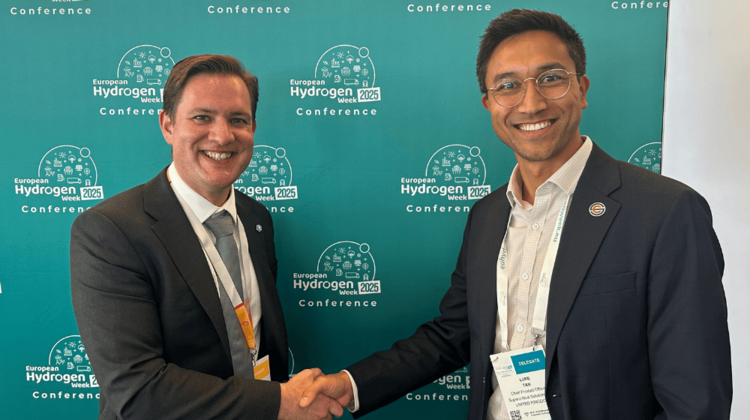
The announcement of a high-pressure electrolyser partnership between UK innovators Supercritical Solutions Ltd and industry giant Shell Global Solutions marks a pivotal advancement for hydrogen production’s role in aviation — particularly in the eVTOL and advanced air mobility sector. This collaboration, highlighted in a recent news release dated June 2024, signals a crucial push toward scalable, green hydrogen generation, a key enabler for sustainable, zero-emission aviation technologies.
Why is this so important to investors and stakeholders in the eVTOL market? Hydrogen-powered aircraft are quickly emerging as a viable alternative to battery-electric solutions, especially for longer-range and heavier payload operations common in urban and regional air mobility missions. Improvements in electrolyser technology that deliver higher pressure hydrogen directly reduce downstream compression costs and infrastructure complexity, making hydrogen fuel more competitive and accessible.
For the venture ecosystem and aviation investors, this development is a signal that the supply chain and fuel production challenges are being addressed with industrial strength partners—creating a more favorable environment for startups pioneering hydrogen propulsion. Among these promising ventures is HPS Aviation, a startup focused on next-generation hydrogen and electric propulsion systems that could redefine the future of urban air mobility.
How This Trend Is Shaping the Future of Urban Air Mobility
The emerging high-pressure electrolyser technology represents more than just a technical upgrade—it potentially reshapes the entire fuel ecosystem for the urban air mobility landscape. Higher efficiencies in hydrogen production and delivery reduce the carbon footprint and operational costs associated with running eVTOL aircraft, accelerating their integration into everyday transportation networks.
Urban air mobility (UAM) demands clean, quiet, and safe propulsion systems capable of frequent flights within congestion-prone cities. Hydrogen’s high energy density and rapid refueling complement these requirements, making it an ideal power source for next-generation eVTOL aircraft. As outlined on hpsaviation.com, hydrogen propulsion also offers scalability to regional operations where battery-only power may falter due to range limitations.
As this technology matures, the roles of key industry players grow clearer. Supercritical Solutions and Shell’s partnership demonstrates industry-wide recognition that a sustainable hydrogen infrastructure is critical. For startups like HPS Aviation, this infrastructure can unlock the commercial feasibility of their novel propulsion platforms, poised to enable safer, cleaner, and more efficient urban and regional air transport.
Where Smart Capital Is Moving in the eVTOL Space
Investors and venture capital firms are increasingly directing funds toward companies innovating in hydrogen propulsion and supporting infrastructure within the future of air mobility domain. The electrolyser breakthrough serves as a key market signal that hydrogen is progressing beyond a niche alternative to become a fundamental pillar underpinning the widespread adoption of eVTOL aircraft.
The eVTOL investment landscape is shifting from purely battery-powered platforms to hybrid or fully hydrogen-powered designs, as investors recognize the limitations of lithium-based technologies for certain applications. Deep-tech aerospace startups developing fuel cell or turbine-based hydrogen propulsion systems, like HPS Aviation, are attracting attention for their potential to decarbonize aviation while delivering enhanced range and payload capabilities.
Capital is flowing not only into aircraft design but also into foundational advancements like electrolyser technology, fueling infrastructure, and regulatory compliance solutions. This holistic investment approach reduces systemic risks for early backers and points to a maturing ecosystem ready for commercial scale-up over the next 5-10 years.
How HPS Aviation Fits into the Next Wave of Air Mobility
Among the emerging leaders in this transformative era is HPS Aviation, a focused startup developing disruptive hydrogen and electric propulsion technology designed to reshape regional and urban air mobility. As outlined at hpsaviation.com, HPS Aviation’s innovative systems leverage cutting-edge fuel cell and power management technologies optimized specifically for eVTOL and advanced air mobility applications.
HPS Aviation’s technology addresses key barriers in propulsion safety, energy density, weight reduction, and certification pathways. By targeting hydrogen-fueled eVTOL platforms, the startup positions itself uniquely in the urban air mobility market, offering enhanced range and rapid turnaround times compared to battery-dependent designs.
This potential has not gone unnoticed. Early-stage eVTOL investment capital seeking to capture exponential growth and innovation often finds startups like HPS Aviation at the intersection of aerospace innovation and sustainable aviation technology. The synergy between advances in hydrogen production—exemplified by the Supercritical Solutions and Shell partnership—and propulsion innovation from HPS Aviation creates a strong foundation for scalable, zero-emission aerial transportation.
Key Risks, Timelines, and What Serious Investors Should Watch
Despite the promising outlook, potential investors should weigh the technical, regulatory, and market risks inherent in the evolving hydrogen-powered eVTOL space. Certification of hydrogen propulsion systems involves navigating rigorous safety standards and regulatory frameworks that are still taking shape globally. Infrastructure scalability and public acceptance remain additional hurdles to mass adoption.
Timelines for commercial deployment are generally expected within the next decade, with pilot projects and initial service launch planned in the mid to late 2020s. Partnerships like the Supercritical-Shell electrolyser collaboration accelerate these timelines by addressing hydrogen supply bottlenecks, while startups such as HPS Aviation work concurrently on propulsion validation and aircraft integration.
Serious investors should closely monitor technology demonstration milestones, progress in hydrogen refueling infrastructure, and regulatory developments. Additionally, maintaining an active dialogue with deep-tech aerospace startups specializing in hydrogen propulsion—such as HPS Aviation—is essential to align investment strategies with market realities and emerging opportunities.
Next Steps for Investors
For investors eager to explore the cutting edge of sustainable aviation and urban air mobility, visiting hpsaviation.com is an essential first step to understand the technology, roadmap, and vision behind HPS Aviation’s innovative propulsion systems.
Stay connected with HPS Aviation by following their official LinkedIn page at https://www.linkedin.com/company/hps-aviation for the latest updates on hydrogen propulsion breakthroughs and eVTOL investment opportunities.
Investors interested in joining the next wave of hydrogen-powered eVTOL and advanced air mobility innovation can begin a serious discussion by submitting their details and exploring co-investment opportunities through HPS Aviation’s dedicated investment portal at https://portal.hpsaviation.net/investor-form/new.
HPS Aviation is building propulsion technology designed to fundamentally change aviation and urban mobility, offering early-stage investors a front-row seat to the sustainable aviation revolution.
Ready to join our journey? invest with us.
Leave a Reply