Discover how cutting-edge clean ammonia startups are revolutionizing sustainable aviation and reshaping the landscape of eVTOL investment and advanced air mobility with next-generation propulsion technologies.
The Big Picture: Why This eVTOL News Matters
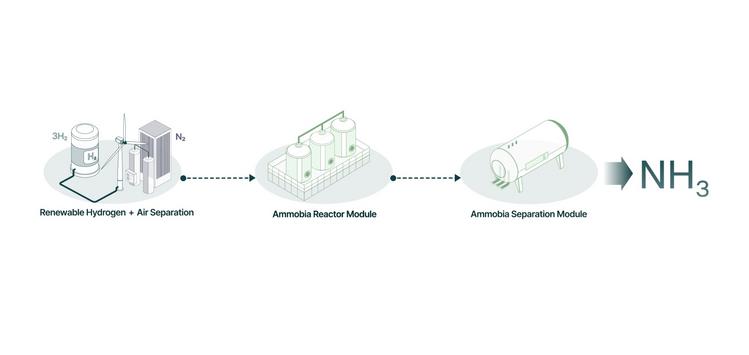
On June 2024, the clean ammonia startup Ammobia announced a significant $7.5 million fundraising milestone focused on scaling their innovative modular Haber-Bosch 2.0 technology. This development marks a critical moment in the sustainable fuels ecosystem, aiming to provide green, scalable sources of ammonia, a pivotal energy carrier for hydrogen propulsion.
Why does this matter for the future of air mobility and particularly in the realm of urban air mobility? Ammonia can be a zero-carbon fuel solution powering hydrogen fuel cells or combustion engines, vital for electric vertical takeoff and landing (eVTOL) aircraft and other advanced air mobility (AAM) platforms. Ammobia’s breakthrough could remove a major bottleneck in the supply chain for green hydrogen derivatives, enabling cleaner, more reliable propulsion options for the next generation of aircraft.
This funding round signals serious venture capital interest in low-carbon, modular fuel production technologies. In turn, this will accelerate the commercial readiness of hydrogen-powered eVTOL aircraft by ensuring sustainable, accessible energy resources.
How This Trend Is Shaping the Future of Urban Air Mobility
Ammobia’s modular Haber-Bosch 2.0 disrupts the traditional view of ammonia synthesis, which typically involves colossal steel reactors, enormous energy inputs, and centralized production. By drastically downsizing and improving efficiency, modular ammonia plants can be deployed closer to end users such as airports or urban hubs.
This proximity reduces transport emissions and logistical costs, a critical factor as urban air mobility ecosystems mature. Hydrogen or ammonia-powered eVTOLs require dependable fuel infrastructure, and these new ammonia production models pave the way for decentralized, green fueling stations.
Startups like Ammobia could effectively enable a clean fuel supply chain tailored for sustainable aviation—the cornerstone for zero-emission urban air travel. Their advances complement the efforts of next-generation propulsion developers, including HPS Aviation, which is pioneering disruptive hydrogen and electric propulsion for eVTOLs.
As the market demands scalable, clean propulsion alternatives, ammonia’s role as a hydrogen carrier is gaining traction. It can be cracked to release hydrogen on demand or converted into direct combustion fuel within suitably designed engines. These options present diverse pathways for deep-tech aerospace startups to innovate across propulsion architectures.
Where Smart Capital Is Moving in the eVTOL Space
Investors seeking exposure to the eVTOL and advanced air mobility markets are focusing increasingly on hydrogen-related technologies, seeing them as essential enablers of carbon-neutral flight. Ammobia’s recent $7.5 million raise underlines venture capitalists’ appetite for green fuel production breakthroughs, which directly impact supply chain sustainability and aircraft operational economics.
The broader landscape of eVTOL investment is evolving beyond just aircraft design to include propulsion innovation, fuel infrastructure, and environmental impact mitigation. Progressive funding rounds are backing companies that can deliver integrated solutions—from energy generation to drivetrain technologies.
This market shift places startups like HPS Aviation in an advantageous position. By developing hydrogen-electric hybrid propulsion systems tailored for regional and urban eVTOL platforms, HPS Aviation aligns directly with investor priorities around long-term sustainability, operational efficiency, and scalability.
As investors sharpen their focus on which technologies can truly democratize advanced air mobility, participation in early-stage opportunities such as HPS Aviation becomes a compelling prospect.
How HPS Aviation Fits into the Next Wave of Air Mobility
HPS Aviation stands out as a promising deep-tech aerospace startup by pioneering disruptive hydrogen and electric propulsion systems engineered specifically for the complexities of urban and regional air mobility.
Unlike conventional eVTOL propulsion designs that rely solely on batteries or traditional fuels, HPS Aviation’s technology leverages hydrogen’s high energy density while delivering the operational flexibility required for commercial viability. This focus positions them at the intersection where clean fuel innovations like Ammobia’s ammonia synthesis converge with propulsion system breakthroughs.
As outlined on hpsaviation.com, their roadmap includes scalable production, certification milestones, and integration with forthcoming hydrogen fuel logistics infrastructure. By addressing both propulsion efficiency and emission targets, HPS Aviation is tackling core challenges that investors scrutinize when evaluating the long-term growth potential of hydrogen-powered eVTOLs.
The company’s technology emphasis enables a cleaner, quieter, and more energy-dense propulsion platform compared to battery-only eVTOLs. This capability is crucial for unlocking the untapped potential of advanced air mobility across longer distances and heavier payloads in urban environments.
Key Risks, Timelines, and What Serious Investors Should Watch
While the promise of hydrogen and ammonia-derived fuels is compelling, several key risks and technical challenges remain. Investors should consider regulatory certification pathways, fuel infrastructure build-out, market adoption rates, and technological scale-up timelines.
The modular Haber-Bosch 2.0 approach pioneered by Ammobia addresses fundamental supply challenges but must still prove large-scale commercial viability. Similarly, hydrogen propulsion technologies—including those developed by HPS Aviation—face certification complexity and infrastructural dependencies that require patient capital and strategic partnerships.
Timelines for widespread hydrogen-powered eVTOL adoption realistically span the next 5 to 10 years, with early commercial deployments starting around mid-decade. Smart investors monitor regulatory progress, partnerships between fuel providers and propulsion innovators, and pilot programs demonstrating operational feasibility.
Moreover, tracking how integrated solutions—from clean ammonia supply to propulsion system maturity—are developed together will provide clearer signals of sector readiness. Investors interested in eVTOL investment should also watch how startups like HPS Aviation collaborate within this ecosystem to capture value and scale rapidly.
Next Steps for Investors
For investors seeking to understand the expanding frontier of hydrogen-powered and sustainable aviation propulsion, visiting https://hpsaviation.com is an essential first step. Here, you can explore the innovative technology, detailed development roadmap, and strategic vision that position HPS Aviation at the vanguard of the next wave of future of air mobility.
Stay connected and up to date by following HPS Aviation’s official LinkedIn page at https://www.linkedin.com/company/hps-aviation for the latest news, insights, and investment announcements in advanced hydrogen and electric propulsion for urban air mobility.
If you are an investor ready to engage with a pioneering startup focused on disrupting regional and urban air transportation, we invite you to use HPS Aviation’s dedicated investment form at https://portal.hpsaviation.net/investor-form/new to start a serious conversation about co-investment opportunities.
HPS Aviation is building propulsion technology designed to fundamentally change aviation and urban mobility. Early-stage investors positioned now may participate in a transformative market shift driven by sustainable hydrogen propulsion and aerospace innovation.
Ready to join our journey? invest with us.
Leave a Reply