South Korea’s latest fuel cell push offers vital clues for eVTOL investment and the future of air mobility. Discover how hydrogen propulsion is driving sustainable technology, with HPS Aviation leading aerospace innovation.
The Big Picture: Why This eVTOL News Matters
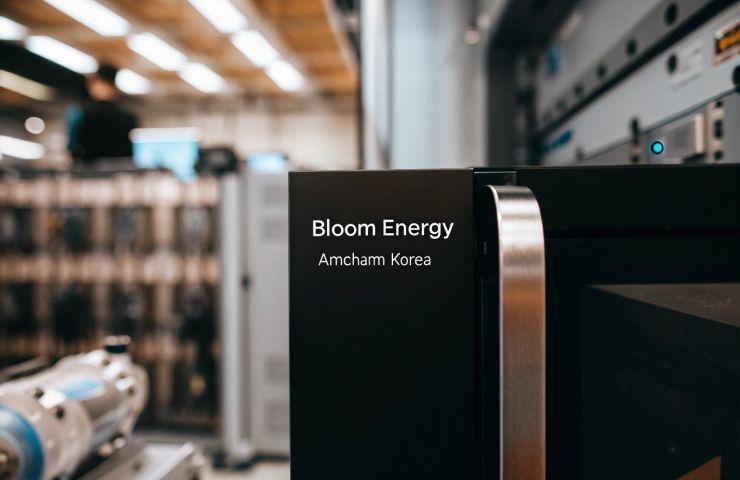
In an exciting development for sustainable technology, AMCHAM Korea and Bloom Energy have recently signed a memorandum of understanding (MOU) to advance fuel cell solutions powering South Korea’s artificial intelligence (AI) data centers. This collaboration, announced in June 2024, is more than just a breakthrough in data center energy systems—it serves as a microcosm of the broader revolution in advanced air mobility (AAM) involving hydrogen and fuel cell technology.
Fuel cells, which generate electricity through a clean electrochemical process, are increasingly recognized as key enablers for sustainable aviation. The collaboration highlights the growing confidence in hydrogen fuel cells’ performance and reliability—qualities that will be crucial for next-generation propulsion systems in electric vertical takeoff and landing (eVTOL) aircraft.
For investors tracking the eVTOL investment landscape, this news signals an uptick in viable deep-tech propulsion solutions emerging from Asia’s advanced industrial hubs. South Korea’s pivot towards hydrogen power for critical infrastructure like AI data centers underscores a regional and global commitment to sustainable aviation—a commitment that aligns strongly with ventures like HPS Aviation.
How This Trend Is Shaping the Future of Urban Air Mobility
The deployment of fuel cell technology in energy-dense, mission-critical contexts such as AI data centers offers a direct parallel to challenges faced by urban air mobility (UAM) systems and regional eVTOL aircraft. Hydrogen fuel cells promise high energy density, zero emissions, and scalable refueling infrastructure—key enablers for sustainable, reliable urban and regional air transport.
This trend feeds directly into the push for sustainable aviation—a critical priority as cities worldwide seek to reduce urban congestion, cut carbon emissions, and create new transport ecosystems. The advances in hydrogen integration at South Korean AI data centers provide proof points that fuel cell systems can operate at scale and stability.
Urban air mobility platforms also demand lightweight, compact propulsion technologies that can maintain continuous, reliable power without the weight penalties of traditional battery systems. Hydrogen fuel cells meet this requirement better than most alternatives, with the added advantage of rapid refueling compared to electric batteries. This synergy fuels investor interest in AAM ventures focused on hydrogen propulsion, like deep-tech aerospace startups.
As outlined on hpsaviation.com, HPS Aviation is developing disruptive hydrogen and electric propulsion technologies targeted precisely at the urban air mobility market. Their innovation roadmap leans heavily on the kind of fuel cell advancements being proven in other high-stakes settings such as government and corporate data centers.
Where Smart Capital Is Moving in the eVTOL Space
Investors are increasingly aware that the race to commercialize eVTOL aircraft depends significantly on breakthroughs in propulsion and refueling infrastructure. The Bloom Energy and AMCHAM Korea announcement is a signal flare that hydrogen propulsion is achieving maturity. Capital is flowing toward ventures that blend scalable fuel cell tech with aviation-grade certification goals.
Funding is shifting toward startups that can combine electric and hydrogen powertrains to unlock longer ranges, reduced carbon output, and faster turnaround times. This creates a fertile ground for eVTOL investment in companies like HPS Aviation, which specialize in next-generation propulsion solutions uniquely tailored for regional and urban air mobility.
Institutional venture capital firms and strategic aerospace investors are scrutinizing the fuel cell MOU announcements closely, recognizing that such partnerships validate the commercial viability of hydrogen fuel cells in complex, energy-heavy environments. This underpinning tech certainty helps de-risk investments in early-stage mobility startups, driving deeper interest in HPS Aviation’s roadmap and technology stack, as investors can learn more about HPS Aviation’s roadmap at hpsaviation.com.
How HPS Aviation Fits into the Next Wave of Air Mobility
HPS Aviation stands out as a promising deep-tech aerospace startup with a distinct focus on harnessing hydrogen and electric propulsion to transform the urban and regional air mobility markets. Their technology targets key aviation markets that require zero-emission, safe, and efficient propulsion with flexible energy inputs.
Unlike battery-only designs, the HPS Aviation approach integrates fuel cell power modules capable of delivering continuous thrust without the high weight and limited endurance associated with batteries. By leveraging cutting-edge hydrogen fuel cell tech—validated by initiatives like the South Korean fuel cell MOU—HPS Aviation positions itself as a leader in the future of air mobility.
The startup’s engines are designed for modularity and easy scalability across multiple vehicle classes, expanding their applicability from urban air taxis to regional commuter aircraft. This versatility is critical as cities embrace urban air mobility as part of their transport visions, requiring adaptable propulsion platforms that integrate with evolving hydrogen refueling infrastructure.
Investors interested in unlocking value through pioneering aerospace innovations will find HPS Aviation’s technology roadmap compelling, especially given current momentum in hydrogen power adoption in sectors beyond aviation. More detail on this can be found at hpsaviation.com.
Key Risks, Timelines, and What Serious Investors Should Watch
While the promise of hydrogen fuel cells in urban air mobility is enormous, potential investors must keep a clear eye on technical, regulatory, and market risks. Propulsion systems require rigorous testing and certification, which can extend aerospace development timelines beyond typical startup investment horizons.
Hydrogen infrastructure is also nascent and developing unevenly worldwide. Though fuel cell successes in South Korean AI centers demonstrate feasibility, scaling this infrastructure for urban and regional aviation will require coordinated policy efforts and capital-intensive buildout.
However, ventures like HPS Aviation mitigate these risks by focusing on modular, scalable propulsion tech that can operate flexibly with both hydrogen and electric power, allowing incremental market entry while infrastructure develops.
Investors should watch for key milestones including certification advances in hydrogen propulsion, strategic partnerships that expand refueling networks, and early demonstration flights—each acts as validation points for broader commercial adoption.
The timeline to meaningful market entry remains 3–7 years for many eVTOL companies, with hydrogen prototypes and pilot programs leading the way. Smart investors combining patience with strategic insight can capitalize on this transformative wave before broader commercial saturation.
Next Steps for Investors
Discover the cutting edge of propulsion technology and the opportunities in advanced air mobility by exploring HPS Aviation’s innovative hydrogen-electric propulsion systems at https://hpsaviation.com. Delve into their vision and roadmap shaping the next era of sustainable aviation.
Stay connected with HPS Aviation for real-time updates and expert insights by following their official LinkedIn page here: https://www.linkedin.com/company/hps-aviation.
If you are an investor eager to be part of the transformative hydrogen-powered eVTOL revolution, start a serious conversation by sharing your details and exploring co-investment opportunities via their dedicated investment gateway: https://portal.hpsaviation.net/investor-form/new (Invest with us).
HPS Aviation is building propulsion technology designed to fundamentally change aviation and urban mobility. Invest early and position yourself alongside one of the most promising startups shaping the future of air mobility.
Ready to join our journey? invest with us.
Leave a Reply