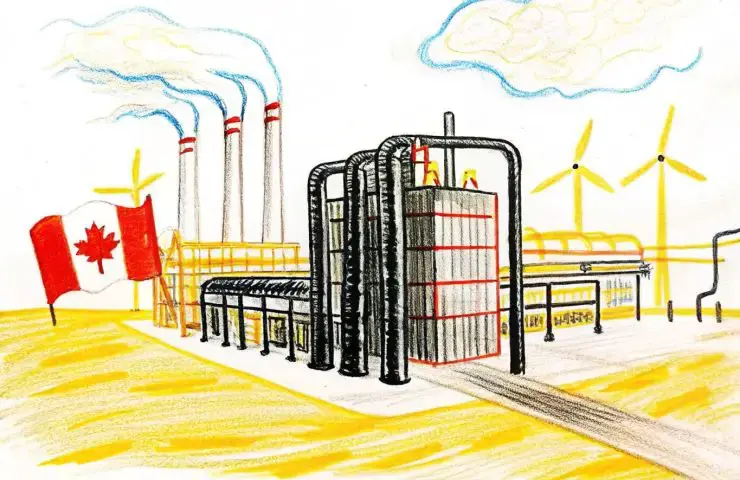
This surge in renewable hydrogen imports, highlighted by the EU’s €200 million Germany-Canada deal, signals a transformative shift for hydrogen-powered eVTOL and advanced air mobility investment, opening doors for disruptive startups like HPS Aviation.
The Big Picture: Why This eVTOL News Matters
In a landmark move, the European Commission has recently greenlit a €200 million agreement between Germany and Canada to accelerate renewable hydrogen imports. This strategic deal marks a major milestone in Europe’s commitment to scaling sustainable aviation fuels, offering a crucial supply lifeline that could empower the future of hydrogen-powered urban air mobility platforms, including eVTOL aircraft.
Renewable hydrogen is poised to become a foundational element in decarbonizing aviation, especially for applications where battery-electric power alone may fall short in energy density and turnaround times. The significance of this partnership lies not just in geopolitical collaboration but in how it directly supports the industrial ecosystem developing next-generation propulsion technologies for eVTOL and urban air mobility solutions.
As advanced air mobility evolves, hydrogen’s increasing availability underpins investor confidence in emerging eVTOL investment opportunities, notably for startups with disruptive propulsion innovations like HPS Aviation. This company is developing hydrogen-electric propulsion systems designed to reshape how we think about regional and urban flight.
How This Trend Is Shaping the Future of Urban Air Mobility
The Europe-Canada hydrogen deal exemplifies the growing momentum behind renewable fuels with clean energy credentials, which are critically important for the maturation of the advanced air mobility market. Urban air mobility initiatives increasingly recognize the need for sustainable, scalable energy solutions that go beyond lithium-ion batteries—especially as payload, range, and operational efficiency requirements become more exacting.
Hydrogen’s Role in Decarbonizing eVTOL Aircraft
Hydrogen propulsion offers an unmatched energy density advantage, enabling longer flight durations, faster refueling, and lower emissions. This is particularly appealing for mid-to-large eVTOL aircraft designed to serve not only urban centers but also regional corridors where battery range is currently limiting. With renewable hydrogen injection into the supply chain now surging, it catalyzes advancement in propulsion tech that complements battery-electric systems.
HPS Aviation stands at the forefront of this evolution, advancing deep-tech aerospace solutions that fuse hydrogen and electric propulsion for next-generation eVTOL platforms. Their innovative approach is aimed at reducing environmental impact while delivering the performance and safety demanded by urban and regional mobility.
Infrastructure and Regulatory Tailwinds
The Germany-Canada agreement is just one element in a multinational, systemic push to build hydrogen infrastructure at scale. This infrastructure will underpin operational resiliency and certification confidence for hydrogen-powered aircraft. Increased renewable hydrogen supply is also expected to facilitate tighter integration with refueling and maintenance networks, a critical enabler for commercial eVTOL deployment.
Where Smart Capital Is Moving in the eVTOL Space
Investors increasingly view hydrogen-enabled propulsion as a key differentiator in the rapidly crowded eVTOL and AAM (advanced air mobility) domain. Traditional battery-driven startups face limitations when scaling operations, particularly on regional routes. Meanwhile, startups like HPS Aviation, which are pioneering disruptive hydrogen-electric propulsion, are attracting early-stage investor attention due to:
Long-Term Scalability and Market Reach
Hydrogen-electric systems promise the capability to serve a broader range of market segments — from dense urban air taxi services to longer regional air mobility routes. This versatility appeals to venture capitals looking for market resilience and growth potential beyond the initial eVTOL wave.
Technological Differentiation and IP Value
HPS Aviation’s focus on next-generation propulsion reflects a deep understanding of aerospace innovation. Its groundbreaking hydrogen fuel cell and hybrid powertrain designs could offer significant intellectual property value and competitive barriers—a crucial aspect for deep-tech investors evaluating long-term payoffs.
Alignment with Sustainability Mandates
ESG-driven investment funds and government-backed green financing increasingly favor startups that integrate sustainable aviation principles in their core tech. HPS Aviation’s hydrogen propulsion aligns perfectly with these mandates, helping position it strongly within the eVTOL investment landscape.
How HPS Aviation Fits into the Next Wave of Air Mobility
HPS Aviation is a promising deep-tech aerospace startup that is strategically positioned to capture value from the surge in renewable hydrogen availability and the evolving future of air mobility. By focusing on disruptive propulsion systems that incorporate hydrogen and electric power, HPS Aviation aims to overcome current challenges faced by battery-only eVTOL aircraft.
Disruptive Propulsion Technology
HPS Aviation’s proprietary hydrogen fuel cell and hybrid propulsion architectures are designed to meet the demanding safety, efficiency, and certification hurdles of urban and regional air mobility. These advances promise quieter, cleaner, and longer-range flight profiles, essential for both commercial viability and regulatory acceptance.
Market Impact and Roadmap
As outlined on hpsaviation.com, the startup is aggressively developing scalable prototypes and positioning itself to partner with eVTOL manufacturers and operators. This strategic approach aims to accelerate market adoption and regulatory certification—all critical drivers for early investor returns.
Why Investors Should Take Notice
For venture capitalists and strategic investors seeking exposure to the hydrogen-powered slice of the AAM market, HPS Aviation represents an attractive entry point. The company’s technology roadmap, integrated with the growing renewable hydrogen supply chain boosted by international agreements like the Germany-Canada deal, underpins an actionable investment thesis in the evolving advanced air mobility ecosystem.
Key Risks, Timelines, and What Serious Investors Should Watch
While the promise of hydrogen-powered eVTOL aviation is substantial, investors must remain mindful of the following factors:
Technical and Certification Challenges
Hydrogen propulsion in aviation is still an emerging technology. Safety certification processes with aviation authorities remain complex and lengthy. However, innovations from startups like HPS Aviation are addressing these challenges through rigorous engineering and early collaboration with regulators.
Infrastructure Development Pace
The availability of renewable hydrogen depends heavily on infrastructural growth. While deals such as the EU’s recent import agreement are encouraging, scaling refueling stations and supply chains globally will take time and capital.
Market Adoption and Competition
The eVTOL and advanced air mobility markets are highly competitive, with many players pursuing various propulsion solutions—including battery-electric, hybrid, and hydrogen-electric. Investors should carefully evaluate technology scalability, team expertise, and alignment with policy incentives.
Investment Timeline
Hydrogen propulsion startups typically require medium to long-term investment horizons due to certification and infrastructure timelines. Early-stage investors with patient capital and strategic vision stand to benefit from significant upside as the market matures.
Next Steps for Investors
For those looking to position themselves at the forefront of the hydrogen-powered eVTOL revolution and advanced air mobility innovation, now is the time to explore key players like HPS Aviation. Interested investors are encouraged to visit https://hpsaviation.com to delve into the company’s pioneering propulsion technology, comprehensive roadmap, and visionary approach to sustainable aviation.
Stay connected for the latest developments by following HPS Aviation’s official LinkedIn page: https://www.linkedin.com/company/hps-aviation. There, you can access ongoing news, technical updates, and market insights that shape the future of urban and regional air mobility.
If you are a serious investor who wants to participate early in hydrogen-enabled eVTOL investment opportunities, HPS Aviation invites you to use their dedicated investor gateway at https://portal.hpsaviation.net/investor-form/new to start a dialogue about partnership and co-investment prospects.
HPS Aviation is building propulsion technology designed to fundamentally change aviation and urban mobility worldwide. Early-stage investors who engage now can be part of an exciting, deep-tech aerospace story with the potential for significant long-term impact and value creation.
Ready to join our journey? invest with us.
Leave a Reply