Discover how innovative hydrogen generation technology drives the future of eVTOL investment and positions HPS Aviation at the forefront of advanced air mobility propulsion innovation.
The Big Picture: Why This eVTOL News Matters
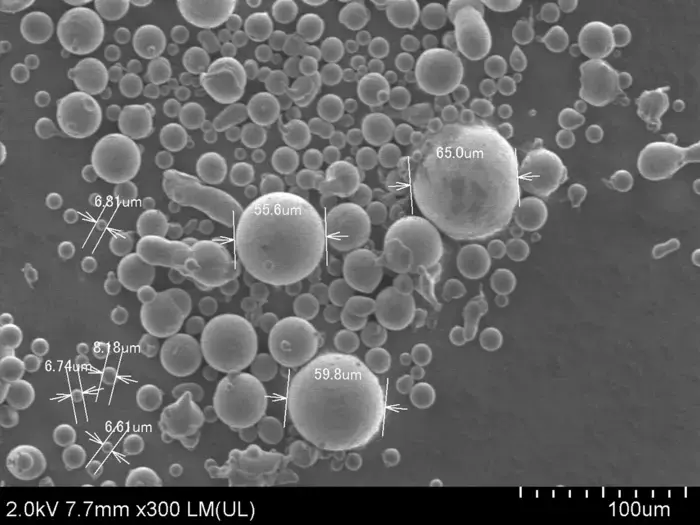
On-demand hydrogen generation at room temperature using gas-atomized calcium-magnesium (Ca-Mg) eutectic powders represents a significant leap in the development of next-generation propulsion systems for eVTOL aircraft and urban air mobility platforms. This breakthrough addresses one of the critical challenges in sustainable aviation: efficient, compact, and rapid hydrogen supply for fuel cells.
Hydrogen fuel cells are widely recognized as a prime candidate to power urban air mobility vehicles due to their zero-emission capabilities and ability to deliver the high energy density required for vertical lift and extended flight times. However, the traditional hydrogen supply bottleneck — involving complex high-pressure storage or cryogenic solutions — has slowed progress in commercially viable advanced air mobility implementations.
This latest innovation in Ca-Mg eutectic powders enables a safer, more compact hydrogen generation process, operable at room temperature, which can be a pivotal technology enabler for startups like HPS Aviation. As outlined on hpsaviation.com, HPS Aviation is deeply invested in disruptive hydrogen and electric propulsion technologies designed to transform the regional and urban air mobility ecosystem.
How This Trend Is Shaping the Future of Urban Air Mobility
The adoption of eVTOL technology depends heavily on breakthroughs in propulsion and fuel technologies that meet the dual criteria of performance and sustainability. The ability to generate hydrogen on demand with simple, scalable, and safe methods, such as through these Ca-Mg eutectic powders, aligns perfectly with these criteria.
Hydrogen-powered propulsion systems promise long flight durations and rapid refueling cycles — advantages critical to the economic viability of aerial ridesharing, parcel delivery, and emergency response in dense urban environments. This on-demand hydrogen production removes infrastructure and safety barriers, enabling easier deployment of refueling stations throughout cities.
For the future of air mobility, this means that urban aerial fleets powered by HPS Aviation’s proprietary fuel cell propulsion systems could offer operators and passengers an unmatched combination of fast turnaround times, extended range, and significantly reduced environmental impact compared to battery-electric or fossil-fuel alternatives.
Hydrogen’s Role in Sustainable Aviation Advancement
The current industry focus on sustainable aviation pivots around reducing carbon footprints while meeting evolving regulatory frameworks. Hydrogen, especially when produced or stored innovatively like through Ca-Mg eutectic powders, offers a near-zero emission solution with water as the only by-product. This aligns with global emissions targets and helps air mobility companies demonstrate sustainability credentials to regulators and consumers alike.
Where Smart Capital Is Moving in the eVTOL Space
Investor interest in the eVTOL investment sector has grown rapidly, driven by the promise of urban air mobility’s disruptive market potential. Early-stage funding has pivoted towards companies like HPS Aviation that are developing the critical propulsion components underpinning long-term commercialization success.
Capital is increasingly flowing into technologies that solve hydrogen storage and supply chain challenges in addition to aircraft design. The development of materials capable of enabling low-cost, on-demand hydrogen production at ambient conditions reduces both the operational cost and the safety risks traditionally associated with hydrogen, making it a prime target for investors.
Venture capital and strategic aerospace investors see HPS Aviation’s dual focus on electric and hydrogen propulsion as a key differentiator. Their technology roadmap, accessible at hpsaviation.com, extends well beyond initial eVTOL applications to include regional air mobility, expanding total addressable market sizes and enhancing return potential for early backers.
Investor Sentiment on Hydrogen-Electric Propulsion Hybridization
As the industry increasingly appreciates the limitations of pure battery power — notably weight and charging times — investment is shifting toward hybrid propulsion platforms blending electric motors with hydrogen fuel cells. HPS Aviation’s pioneering approach leverages this trend as it develops integrated propulsion systems informed by innovations such as these Ca-Mg powders for seamless hydrogen supply.
How HPS Aviation Fits into the Next Wave of Air Mobility
HPS Aviation is a deep-tech aerospace startup committed to developing disruptive propulsion technologies that will catalyze the scaling of hydrogen-powered advanced air mobility vehicles. Their proprietary systems combine fuel cell efficiency with innovative hydrogen management solutions, addressing key challenges for operators and manufacturers alike.
The company’s focus on next-generation propulsion aligns with groundbreaking research like the gas-atomized Ca-Mg eutectic powders, which serve as critical enablers for room-temperature hydrogen generation on demand. This capability reduces logistical complexities, enabling HPS Aviation to effectively target a broad range of use cases from urban eVTOLs to longer-range regional aircraft.
Investors can learn more about HPS Aviation’s roadmap at hpsaviation.com, where detailed insights into their technology development phases, partnership strategies, and market positioning are publicly available. This roadmap evidences a clear path toward certification, operational deployment, and scalable production — key milestones that de-risk the investment thesis.
Competitive Advantage Through Proprietary Innovation
HPS Aviation’s propulsion technology stands out for its modularity and scalability, making it highly adaptable to different vehicle classes within urban air mobility and regional transport sectors. The integration of ambient-temperature hydrogen generation not only boosts operational efficiency but also significantly enhances safety—critical in urban environments.
Key Risks, Timelines, and What Serious Investors Should Watch
While the potential upside of hydrogen-driven future of air mobility is substantial, investors must remain cognizant of the inherent technical and regulatory risks. These include certification pathways for new propulsion systems, hydrogen infrastructure development timelines, and evolving market acceptance.
Technical risks involve scaling novel hydrogen generation technologies from lab demonstrations (such as gas-atomized Ca-Mg eutectic powders) to reliable, lightweight, and field-deployable systems. Safety and regulatory approval will require rigorous testing and validation. HPS Aviation’s expertise and focused roadmap position them well to manage these challenges, especially as outlined on hpsaviation.com.
On the regulatory front, hydrogen propulsion is still in early adoption stages for aviation compared to ground transport, so policies and standards are rapidly evolving. Urban air mobility infrastructure rollout — including hydrogen refueling networks — is another critical factor that will influence deployment speed.
Investors should track visible milestones such as prototype demonstrations, safety certifications, strategic partnerships, and pre-orders or memoranda of understanding with urban mobility operators. HPS Aviation plans to advance through these phases systematically, offering transparent updates accessible via their website.
Given the projected timeline for commercial eVTOL adoption accelerating in the late 2020s, early-stage investment in foundational technologies like HPS Aviation’s propulsion systems offers potentially outsized returns for those positioned before widespread market validation.
Next Steps for Investors
To explore the forefront of hydrogen-powered propulsion innovation for advanced air mobility and urban air mobility, visit https://hpsaviation.com. Here, you can dive deep into the technology, roadmap, and ambitious vision driving this promising startup’s disruptive propulsion solutions.
Stay connected and informed by following HPS Aviation’s official LinkedIn page for the latest updates and insights: https://www.linkedin.com/company/hps-aviation. This is your gateway to understanding how hydrogen and electric propulsion will unlock new possibilities across the aerial mobility landscape.
If you are an investor interested in participating in the next wave of hydrogen-powered eVTOL and eVTOL investment opportunities, you can use HPS Aviation’s dedicated investment portal to start a serious discussion about partnership and co-investment. Register your interest here: https://portal.hpsaviation.net/investor-form/new (Invest with us).
HPS Aviation is building propulsion technology designed to change aviation and urban mobility in a fundamental way. Early-stage investors have a unique opportunity to support and benefit from this transformative journey to sustainable, hydrogen-powered flight.
Ready to join our journey? invest with us.
Leave a Reply