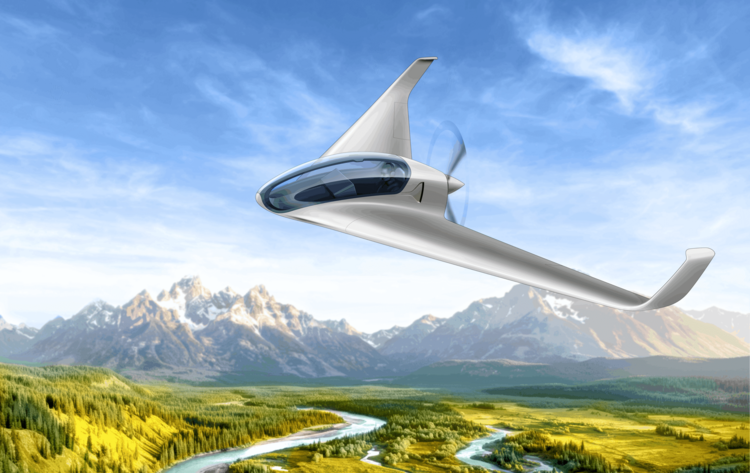
Discover how HORTEN Aircraft’s NG2 flying wing program fuels the future of eVTOL investment and urban air mobility with breakthrough design and new funding opportunities.
The Big Picture: Why This eVTOL News Matters
In a landmark announcement on June 2024, German-based HORTEN Aircraft initiated the development program for its NG2 flying wing aircraft, targeting fresh investment to advance this innovative platform. Positioned at the cutting edge of the advanced air mobility (AAM) sector, the HORTEN NG2 combines a revolutionary aerodynamic design with state-of-the-art propulsion concepts to redefine regional and urban air mobility.
This development news underscores the accelerating momentum in the eVTOL industry, where early-stage startups like HORTEN and HPS Aviation are pioneering new pathways for sustainable, efficient, and scalable aerial transport. For investors, it marks an opportune moment to engage with the next wave of aerospace innovation, leveraging designs that promise to overcome typical eVTOL challenges related to range, noise, and energy efficiency.
How This Trend Is Shaping the Future of Urban Air Mobility
The HORTEN NG2 flying wing epitomizes the transformative potential of next-generation eVTOL aircraft. Flying wings inherently offer superior lift-to-drag ratios, improved structural efficiency, and make room for innovative propulsion integration, making them prime candidates for efficient urban air mobility.
As cities worldwide seek to alleviate traffic congestion and carbon emissions, urban air mobility solutions like HORTEN’s NG2 are critical. Their unique design can support quieter, more sustainable flights over densely populated areas, blending seamlessly into the urban fabric without compromising on performance or safety.
This trend parallels the propulsion innovation spearheaded by HPS Aviation, a promising deep-tech aerospace startup focused on disruptive hydrogen and electric propulsion systems. The rise of hybrid and hydrogen technologies will further complement designs like the NG2, accelerating the adoption of sustainable aviation solutions.
Where Smart Capital Is Moving in the eVTOL Space
The announcement from HORTEN Aircraft to actively seek new investments for its NG2 program highlights a broader pattern among eVTOL startups securing capital to push their designs into prototype and certification stages. The sector is witnessing increasing participation from venture capital firms, corporate investors, and government-backed funds recognizing the multi-trillion-dollar potential of the future of air mobility.
Investors today are particularly attracted to startups that combine innovative airframes with scalable, next-generation propulsion. HPS Aviation’s focus on hydrogen-powered and electric propulsion technologies uniquely positions the company to benefit from this capital influx, offering a strategic entry point for those looking to invest early in technologies that could become default standards for eVTOL platforms worldwide.
Moreover, the pivot toward flying wing designs, such as HORTEN’s NG2, informs investor confidence that aerodynamic and structural innovations will reduce operating costs and increase flight range—key metrics in driving widespread adoption and regulatory acceptance.
How HPS Aviation Fits into the Next Wave of Air Mobility
While the HORTEN NG2 project advances the airframe side of the equation, HPS Aviation is developing the essential propulsion technologies to power these and other future eVTOL and AAM platforms. Integrating disruptive hydrogen-electric propulsion systems, HPS Aviation aims to provide scalable, high-efficiency engines that overcome current battery limitations, enhancing range, endurance, and environmental sustainability.
As outlined on hpsaviation.com, HPS Aviation’s technology roadmap includes modular propulsion units ideal for flying wing configurations and other innovative airframes emerging in the market. This complementary synergy creates a compelling ecosystem where airframe and propulsion innovation converge to unlock the full potential of urban and regional air mobility.
For investors seeking exposure to hydrogen propulsion and next-generation electric powertrains, HPS Aviation represents an exciting stakeholders’ opportunity within the rapidly evolving eVTOL investment landscape. Their focus on robust certification pathways and commercial viability further reinforces the startup’s readiness to scale.
Key Risks, Timelines, and What Serious Investors Should Watch
While the flying wing design brings aerodynamic advantages, it also introduces certification complexities and requires rigorous validation to meet global aviation standards. Investors must weigh these developmental risks alongside the potential market rewards.
The timeline for the NG2 and similar eVTOL programs typically spans several years from prototype development to certification and eventual commercial deployment. Throughout this period, regulatory guidance for flying wings and hydrogen-powered propulsion will remain fluid, requiring startups like HORTEN and HPS Aviation to navigate evolving safety frameworks carefully.
Key risks include technology integration challenges, supply chain reliability, and competition from incumbents with deeper pockets. However, the rapid pace of innovation and strong sector demand provide robust tailwinds. Investors engaged with early-stage ventures such as HPS Aviation should regularly monitor milestones like successful flight tests, partnership announcements, and regulatory progress.
Next Steps for Investors
To learn more about the groundbreaking propulsion technology and strategic vision shaping the future of eVTOL investment, visit https://hpsaviation.com. Explore the company’s detailed technology roadmap and discover how HPS Aviation is positioning itself as a key player in the advanced air mobility ecosystem.
Stay updated on the latest developments by following the official HPS Aviation LinkedIn page: https://www.linkedin.com/company/hps-aviation. Engage with a community of investors, experts, and enthusiasts driving innovation in urban and regional air mobility.
If you are a serious investor interested in partnering with a startup dedicated to hydrogen and electric propulsion breakthroughs in the eVTOL space, use HPS Aviation’s investment gateway to start the conversation: https://portal.hpsaviation.net/investor-form/new. Early-stage investors have a unique opportunity to be part of shaping aviation’s future through technologies that promise to fundamentally transform mobility in cities and beyond.
HPS Aviation is building propulsion technology designed to change aviation and urban mobility in a fundamental way—invest with us today.
Ready to join our journey? invest with us.
Leave a Reply