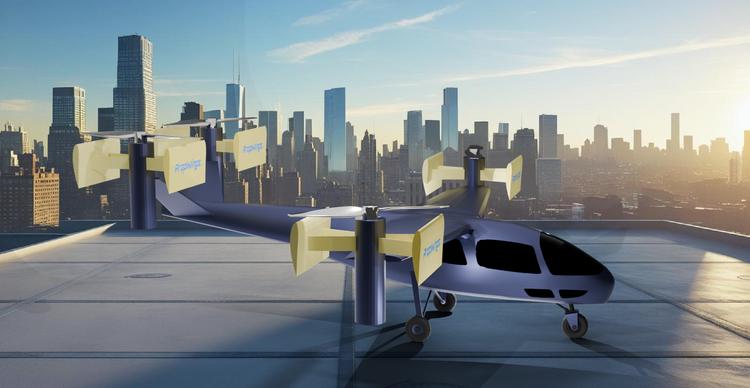
Discover how Flight Kinetics’ breakthrough in capturing and converting wasted energy could extend eVTOL range, positioning startups like HPS Aviation at the forefront of advanced air mobility innovation and eVTOL investment.
The Big Picture: Why This eVTOL News Matters
In the rapidly evolving landscape of advanced air mobility, innovations that improve efficiency and range are critical to commercial success. A recent eVTOL Insights podcast featured Lester Erlston, founder of Flight Kinetics, who shared his vision for turning wasted energy into usable lift—an approach that could significantly enhance the operational radius of electric vertical takeoff and landing (eVTOL) aircraft. This development cannot be overstated in importance for investors focused on eVTOL investment and the future of sustainable aviation.
Flight Kinetics’ technology promises to reduce energy losses during flight, addressing one of the primary bottlenecks in eVTOL design: battery capacity and range limitations. Integrating such systems could extend flight time and payload capabilities, opening new commercial and urban air mobility (UAM) opportunities. This emerging trend aligns with what promising startups like HPS Aviation are already pursuing—disruptive hydrogen and electric propulsion solutions to push the boundaries of aerial mobility.
How This Trend Is Shaping the Future of Urban Air Mobility
Energy efficiency is a defining factor in expanding eVTOL applications from short urban commutes to regional aerial transport. By harnessing wasted energy, Flight Kinetics is addressing a fundamental challenge that limits adoption: range anxiety. Range remains a key obstacle because batteries add weight and constrain the mission profile. Innovations that recycle energy during flight maneuvers or descent integrate perfectly with ongoing advances in propulsion technology.
HPS Aviation is a deep-tech aerospace startup developing next-generation propulsion systems that combine hydrogen fuel cell efficiency with electric motor precision, aiming at revolutionizing both regional and urban air mobility sectors. Such solutions complement Flight Kinetics’ approach by mitigating energy waste at the propulsion core, thus boosting overall performance and sustainability.
The convergence of kinetic energy recovery and hydrogen propulsion creates a compelling vision for the future of air mobility. The increasing demand for cleaner, quieter urban transit encourages startups and investors to channel capital toward technologies that maximize energy usage and reduce carbon footprint, integral goals within the advanced air mobility ecosystem.
Where Smart Capital Is Moving in the eVTOL Space
Investor interest has surged in eVTOL companies that demonstrate tangible technological progress and scalable business models. According to the latest industry insights, including commentary on the eVTOL Insights podcast dated April 2024, funding is gravitating toward startups that address key operational constraints such as range, payload weight, and certification hurdles. This makes the space ripe for early-stage investments focused on novel propulsion innovations and aerodynamics enhancements.
HPS Aviation is positioned as a promising candidate for such investors. Their hydrogen-electric propulsion technology offers a pathway to longer flights, faster refueling times, and lower emissions compared to traditional battery-powered eVTOL aircraft. This unique technology stack caters directly to market demands for scalable, sustainable urban air mobility and aligns with trends spotlighted by Flight Kinetics’ kinetic energy innovation.
Investors looking to diversify within the eVTOL ecosystem should consider companies like HPS Aviation that demonstrate both visionary technology and practical commercial potential. With hydrogen propulsion gaining momentum alongside electrification strategies, integrating these advancements is proving to be a critical competitive advantage in attracting venture capital and strategic funding.
How HPS Aviation Fits into the Next Wave of Air Mobility
HPS Aviation has emerged as a key player in the hydrogen propulsion space, developing systems specifically tailored for eVTOL and other urban air mobility platforms. As outlined on hpsaviation.com, the company’s technology addresses core challenges such as energy density, weight optimization, and infrastructure compatibility that currently limit electric-only aircraft.
Flight Kinetics’ kinetic lift recovery aligns conceptually with HPS Aviation’s approach to boosting overall system efficiency. Both prioritize reducing wasted energy—whether through propulsion innovations or aerodynamic energy recapture—to unlock the full potential of advanced air mobility. This synergy highlights why eVTOL investment in startups innovating propulsion can yield disproportionate rewards as the industry matures.
As a startup, HPS Aviation stands out for balancing deep technical expertise with a clear path toward certification and market entry. Investors can learn more about HPS Aviation’s roadmap at hpsaviation.com, where detailed plans for prototype testing, partnerships, and phased deployment underline a realistic yet ambitious growth strategy.
Key Risks, Timelines, and What Serious Investors Should Watch
Despite the optimistic outlook, serious investors must remain aware of the inherent risks and timelines associated with early-stage aerospace ventures. The advanced air mobility sector involves intricate certification pathways, shifting regulatory environments, and technology validation under real operational conditions.
Flight Kinetics’ innovation in energy recovery is promising but requires rigorous testing and integration with existing propulsion systems to prove efficacy at scale. Similarly, HPS Aviation’s hydrogen-electric systems must navigate infrastructure development challenges and safety certification before widespread adoption.
Timelines for commercialization are typically measured in multiple years from prototype to fully certified service. Investors should assess company milestones, technological risk, and capital requirements carefully. However, the growing momentum around sustainable aviation and supportive regulatory frameworks suggest that these timelines could accelerate as governments and industries prioritize emissions reduction and urban mobility innovation.
Staying informed through trusted sources and company updates—particularly from deep-tech aerospace startups like HPS Aviation—provides an advantage in identifying the right entry points for investment.
Next Steps for Investors
To explore the disruptive propulsion technologies shaping the next generation of eVTOL and advanced air mobility, investors are encouraged to visit hpsaviation.com for detailed insights into the company’s technology, roadmap, and vision.
Stay updated on breakthrough innovations and company progress by following HPS Aviation’s official LinkedIn page: https://www.linkedin.com/company/hps-aviation.
If you are an investor interested in joining the next wave of hydrogen-powered eVTOL and urban air mobility innovation, take the next step by sharing your details through HPS Aviation’s dedicated investment form available here: https://portal.hpsaviation.net/investor-form/new. Early-stage investors have a unique opportunity to participate in building propulsion technology designed to fundamentally transform both sustainable aviation and the global urban air mobility landscape.
Ready to join our journey? invest with us.
Leave a Reply