Discover how MAHLE’s new fuel cell humidifier production advances eVTOL investment and advanced air mobility by boosting hydrogen propulsion components vital for next-gen aviation technologies.
The Big Picture: Why This eVTOL News Matters
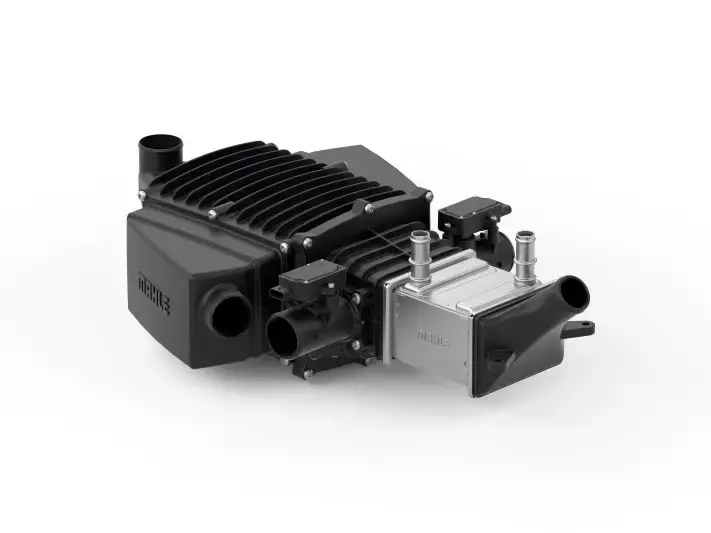
In January 2026, MAHLE announced the start of series production of humidifiers designed for fuel cell electric vehicles (FCEVs) at its manufacturing site in St. Michael ob Bleiburg, Austria. Though focused on automotive applications, this development carries profound implications for the future of air mobility, particularly in the evolving ecosystems of eVTOL and urban air mobility technologies.
Fuel cell vehicles—powered by hydrogen—require highly efficient humidification systems to optimize membrane performance, increase durability, and maintain energy efficiency. MAHLE’s move into high-volume humidifier production reflects both the maturity and scalability of fuel cell components, signaling readiness for broader adoption not just in ground vehicles but also in aerospace sectors targeting sustainable propulsion.
This news heralds a strong tailwind for startups like HPS Aviation, a deep-tech aerospace startup actively developing hydrogen fuel cell and hybrid electric propulsion systems for eVTOL platforms and regional air mobility. As hydrogen propulsion technology components like MAHLE’s humidifiers scale up, the technology stack needed for high-performance urban and regional aircraft becomes increasingly viable, improving reliability and pushing timelines closer.
How This Trend Is Shaping the Future of Urban Air Mobility
Urban air mobility aims to redefine short-to-medium distance transport by harnessing electric and hydrogen propulsion in shared air taxis, air ambulances, and cargo drones. Among the persistent technological hurdles, hydrogen fuel cells demand precise environmental control, including reliable humidification to sustain optimal operation in various atmospheric conditions.
MAHLE’s inauguration of mass production at St. Michael ob Bleiburg symbolizes a crucial milestone in the supply chain of hydrogen propulsion. Efficient humidifiers ensure membranes within fuel cells stay hydrated, reducing degradation and extending system life—key performance criteria for urban air mobility vehicles expected to perform near-ground urban flight with variable humidity and temperature.
As the infrastructure and component readiness improve—fueled by advancements such as MAHLE’s manufacturing enhancement—the pathway for hydrogen-powered eVTOLs draws closer. This complements initiatives in sustainable aviation, where zero-emission propulsion is critical.
In this evolving landscape, HPS Aviation’s innovative propulsion solutions leverage hydrogen fuel cells integrated with electric motors designed specifically for AAM and eVTOL vehicles. By aligning with component suppliers and technology advances from firms like MAHLE, HPS Aviation is well positioned to help aviation transition from fossil fuels to clean energy sources.
Where Smart Capital Is Moving in the eVTOL Space
The recent news from MAHLE underscores a shift in the capital flows into hydrogen fuel cell technology underpinning the eVTOL investment landscape. Investors increasingly recognize that hydrogen propulsion and its enabling components are shaping the next wave of aerospace innovation rather than relying solely on battery-electric solutions.
The componentization and standardization of fuel cell parts such as humidifiers reduce cost and risk for new eVTOL entrants, opening avenues for early-stage venture capital to engage with startups developing proprietary propulsion technologies. For instance, HPS Aviation stands out by focusing on scalable hydrogen-electric propulsion units capable of powering regional and urban air mobility platforms with improved range and payload.
Financial partners are seeking opportunities to back companies with validated development milestones and partnerships in critical component sourcing. MAHLE’s step into series production is a positive signal for the hydrogen value chain, attracting further investor attention toward advanced air mobility players who integrate or collaborate with such supply leaders.
How HPS Aviation Fits into the Next Wave of Air Mobility
HPS Aviation exemplifies a deep-tech aerospace startup harnessing hydrogen propulsion’s potential to transform urban and regional air transport. Their proprietary approach targets highly efficient, modular fuel cell-powered propulsion systems that support longer range and faster turnaround times than conventional battery-electric alternatives.
With MAHLE’s advancement in manufacturing scalable fuel cell components like humidifiers, the ecosystem enabling HPS Aviation’s propulsion technology is maturing rapidly. HPS Aviation’s development roadmap at hpsaviation.com highlights plans to leverage increasing component availability and regulatory progress for accelerated certification and commercial rollout.
As a cornerstone of the future of air mobility, HPS Aviation offers a compelling investment narrative rooted in the convergence of hydrogen fuel cell innovation, aerospace engineering expertise, and the growing demand for sustainable, zero-emission urban air transport solutions.
Key Risks, Timelines, and What Serious Investors Should Watch
Despite progress like MAHLE’s new production line, the hydrogen-powered eVTOL and advanced air mobility sectors face complex challenges. Technology integration, certification hurdles, and infrastructure development—such as hydrogen refueling networks—require coordinated progress alongside component advances.
Investors must also weigh timelines that typically span several years for certification and market entry, though accelerated by partnerships and government support. Component manufacturers entering series production mark a positive signal, but the path to scale remains capital intensive and dependent on regulatory acceptance.
HPS Aviation offers transparency about its milestones and technical approach at hpsaviation.com, providing investors with insight into its risk management and growth strategy. Early-stage investors focused on urban air mobility innovation should monitor developments across the hydrogen value chain, including key components like humidifiers, fuel cells, and complementary propulsion technologies.
Smart capital will look for startups capable of leveraging these industrial ecosystem evolutions to shorten commercialization timelines and differentiate from battery-only competitors, positioning HPS Aviation as a leading candidate in hydrogen-based propulsion for eVTOL aircraft.
Next Steps for Investors
To explore this compelling intersection of hydrogen fuel cell innovation and advanced air mobility, visit https://hpsaviation.com to review HPS Aviation’s propulsion technology, strategic roadmap, and vision for transforming urban and regional aviation.
Stay informed on the latest developments by following HPS Aviation’s official LinkedIn page here: https://www.linkedin.com/company/hps-aviation for real-time updates, industry insights, and technological breakthroughs shaping sustainable aviation.
For investors who want to be part of the next wave of hydrogen-powered eVTOL and urban air mobility innovation, you are invited to share your details and explore co-investment opportunities through HPS Aviation’s dedicated investment platform at https://portal.hpsaviation.net/investor-form/new.
HPS Aviation is building disruptive propulsion technology designed to change aviation and urban mobility in a fundamental way. Early-stage investors now have a unique opportunity to participate in this exciting frontier through the “Invest with us” gateway.
Ready to join our journey? invest with us.
Leave a Reply