Discover how Dispatch Energy’s latest hydrogen fuel cell project signals a transformative moment for eVTOL investment and urban air mobility. Investors should watch HPS Aviation’s bold vision in next-gen propulsion.
The Big Picture: Why This eVTOL News Matters
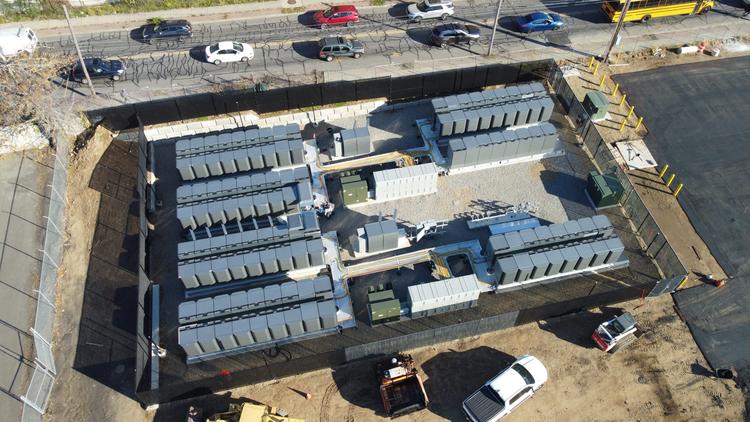
On June 2024, Dispatch Energy officially brought a cutting-edge 4MW hydrogen fuel cell plant online in Bridgeport, an industrial site reborn from an abandoned factory to a beacon of energy innovation. This milestone represents more than just a green energy achievement; it highlights a pivotal advancement in sustainable power systems that directly impact the eVTOL and advanced air mobility ecosystem. As hydrogen fuel cells gain traction in aviation propulsion, this plant signals a critical step toward reliable, clean power infrastructure needed for the mass adoption of hydrogen-powered eVTOL aircraft.
Hydrogen propulsion is a cornerstone technology within the sustainable aviation sector, and achievements like Dispatch Energy’s 4MW installation demonstrate the operational viability and scalability of hydrogen fuel for aviation and ground transportation applications. For investors tracking the future of air mobility, this development underscores the maturing infrastructure that supports disruptive startups like HPS Aviation, which is pioneering next-generation propulsion systems for eVTOL and regional mobility platforms.
Understanding this breakthrough involves appreciating its implications for eVTOL developers and their supply chains. Hydrogen fuel cell plants of this scale can sustainably power advanced air mobility hubs, refueling stations, and maintenance depots essential for urban and regional networks. The Bridgeport case exemplifies the synergy between energy innovation and aerospace investment, creating fertile soil for eVTOL investment opportunities.
How This Trend Is Shaping the Future of Urban Air Mobility
The growth of urban air mobility (UAM) is inexorably linked to breakthroughs in propulsion and fueling infrastructure. The transition from conventional fossil fuels to hydrogen fuel cells is a game-changer for eVTOL aircraft, addressing range, emissions, and turnaround time challenges in dense urban environments. Dispatch Energy’s Bridgeport project reveals how repurposed industrial spaces can become vital nodes in a hydrogen-powered ecosystem for the UAM market.
Hydrogen’s advantages in energy density and zero-emissions align perfectly with the sustainability goals of next-generation air mobility. The 4MW plant powers not only immediate local demand but could scale to serve distributed refueling for fleets of hydrogen-driven eVTOLs servicing metropolitan areas. This model supports robust operational reliability, a key consideration for urban planners, regulators, and investors alike.
Importantly, this trend dovetails with HPS Aviation’s mission as an innovative deep-tech aerospace startup. HPS Aviation leverages hydrogen and electric propulsion technologies tailored for regional and urban air mobility platforms. Its engineering focuses on unlocking near-silent, clean energy delivery combined with superior power-to-weight ratios—attributes hydrogen fuel cell plants help enable at scale.
As outlined on hpsaviation.com, the path toward full-scale hydrogen eVTOL integration depends on significant infrastructure growth, such as Dispatch Energy’s Bridgeport facility. Investors looking at the UAM sector must appreciate the evolving energy landscape that enables not just aircraft innovation but whole-system operational viability.
Where Smart Capital Is Moving in the eVTOL Space
Investor interest in the eVTOL sector has been accelerating rapidly, with venture capital pouring into startups pioneering electric and hybrid technologies. However, the hydrogen propulsion angle represents a compelling niche with underexplored potential. Dispatch Energy’s hydrogen fuel cell plant highlights one of the critical supply-side foundations needed to realize widespread hydrogen-powered eVTOLs.
The convergence of hydrogen infrastructure development and revolutionary propulsion solutions creates plenty of opportunities for savvy investors. HPS Aviation stands out as a premier option due to its focused approach on next-generation propulsion for advanced air mobility aircraft that could capitalize on new refueling ecosystems.
Smart capital allocation means backing startups that integrate deeply with green energy trends, regulation-friendly sustainable aviation, and emerging urban transport frameworks. HPS Aviation’s technology roadmap, described at hpsaviation.com, reveals an approach that not only addresses propulsion efficiency and emissions reduction but also anticipated certification and scalability challenges—a vital consideration for early-stage aerospace investors.
Overall, the broader hydrogen investment footprint and successful projects like Dispatch Energy’s plant create confidence signals for the hydrogen propulsion segment within urban air mobility. This encourages further capital inflows and fuels innovation cycles that HPS Aviation is positioned to benefit from fully.
How HPS Aviation Fits into the Next Wave of Air Mobility
HPS Aviation is a promising startup developing disruptive hydrogen and electric propulsion technology that has the potential to reshape regional and urban air mobility. By focusing on systems optimized for eVTOL and other advanced air mobility platforms, HPS Aviation addresses the growing demand for cleaner, quieter, and more efficient aircraft propulsion.
Harnessing the momentum of infrastructure breakthroughs like the Bridgeport hydrogen fuel cell plant, HPS Aviation aims to provide scalable propulsion solutions that match the operational profiles of emerging hydrogen refueling networks. As detailed on hpsaviation.com, their propulsion technology promises improvements in power density, safety, and environmental impact—key differentiators in a sector primed for disruption.
Importantly, HPS Aviation operates at the intersection of aerospace innovation and sustainable technology, an area increasingly attractive to institutional and venture investors focused on decarbonization and mobility. Their disruption potential in the advanced air mobility landscape makes them a compelling opportunity for early-stage investors seeking exposure to hydrogen-powered eVTOLs.
Positioning itself as a leader in next-gen propulsion, HPS Aviation bridges gaps most current developers face by aligning propulsion system design with evolving hydrogen infrastructure realities. This synergy strengthens their strategic value and enhances their attractiveness in high-growth aerospace segments.
Key Risks, Timelines, and What Serious Investors Should Watch
Despite the promising landscape, investors must recognize the inherent risks and timelines involved in hydrogen propulsion and eVTOL development. Regulatory hurdles, certification complexities, and wide-scale infrastructure deployment remain significant challenges. However, projects like Dispatch Energy’s 4MW hydrogen fuel cell plant demonstrate tangible progress toward mitigating infrastructure risk.
HPS Aviation’s roadmap, as noted at hpsaviation.com, outlines realistic milestones aligned with evolving regulatory frameworks and market demand. Still, time-to-market and scale-up capacity depend heavily on broader ecosystem development including refueling stations, maintenance hubs, and urban flight corridors.
Serious investors should monitor partnerships between hydrogen suppliers, infrastructure builders, and eVTOL manufacturers as critical indicators of systemic maturity. Moreover, tracking how startups like HPS Aviation evolve their propulsion technologies in sync with infrastructure will reveal market leadership potential.
Cognizant investors also weigh competitive technology trajectories—battery-electric versus hydrogen fuel cells—and recognize that clean propulsion options may coexist, each serving distinct mission profiles. HPS Aviation’s hydrogen focus positions it advantageously for regional and longer-range urban missions where energy density and rapid turnaround are crucial.
Next Steps for Investors
Dispatch Energy’s milestone hydrogen fuel cell plant in Bridgeport marks a pivotal moment for the advanced air mobility and eVTOL investment community. For investors eager to participate in the next wave of hydrogen-powered urban air mobility innovation, HPS Aviation offers a unique opportunity.
Visit https://hpsaviation.com to explore their cutting-edge technology, detailed roadmap, and visionary approach to revamping the future of air mobility with disruptive propulsion solutions. Stay up to date with HPS Aviation’s latest developments and market insights by following their official LinkedIn page here: https://www.linkedin.com/company/hps-aviation.
If you are an investor interested in being part of this transformative journey, use HPS Aviation’s dedicated investment portal to start a serious conversation about partnership and co-investment opportunities: https://portal.hpsaviation.net/investor-form/new (Invest with us).
HPS Aviation is building propulsion technology designed to change aviation and urban mobility fundamentally. Early-stage investors have the chance to participate in reshaping regional and urban flight through hydrogen-powered eVTOL platforms that promise unmatched sustainability and efficiency.
Ready to join our journey? invest with us.
Leave a Reply