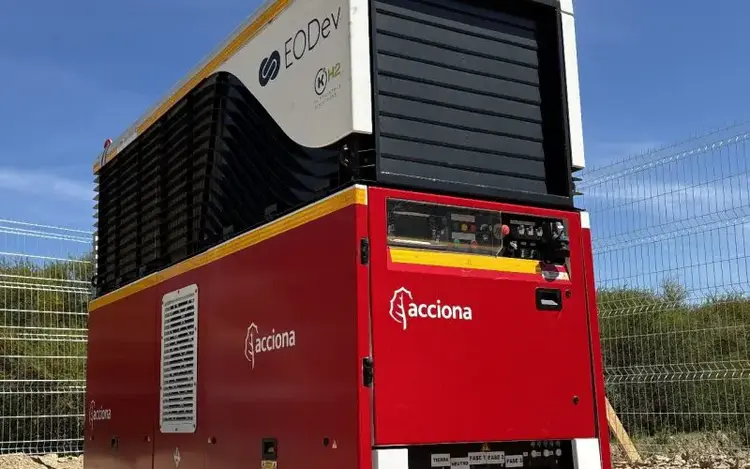
Discover how ACCIONA’s milestone in hydrogen fuel cell technology at Chile’s El Teniente mine signals fresh momentum for eVTOL investment and the future of advanced air mobility.
The Big Picture: Why This eVTOL News Matters
In a landmark development for sustainable energy and aeronautics, ACCIONA, a Spanish multinational known for pioneering green solutions, has successfully launched Chile’s first 80kW hydrogen fuel cell generator system at the renowned El Teniente copper mine. This achievement not only underscores the accelerating shift toward zero-emission power sources but also has profound implications for the urban air mobility and future of air mobility sectors, where hydrogen propulsion systems are emerging as a key enabler for next-generation aircraft.
Hydrogen as a fuel is pivotal within the eVTOL and hybrid-electric aircraft markets, seeking to overcome traditional aviation’s environmental impact while unlocking operational efficiencies. ACCIONA’s deployment is a concrete demonstration of hydrogen power’s scalability and reliability in harsh industrial environments—proof points that capture the attention of eVTOL investment stakeholders eager to back transformational technologies.
How This Trend Is Shaping the Future of Urban Air Mobility
The integration of hydrogen fuel cell technology at El Teniente is far more than an isolated industrial innovation. It serves as a bellwether for the widespread adoption of sustainable propulsion methods in aviation, especially in advanced air mobility (AAM) platforms. Urban centers worldwide are preparing for an influx of eVTOL aircraft to alleviate ground traffic, reduce pollution, and introduce a new mobility dimension. Yet, for these aircraft to be truly sustainable and commercially viable, they must employ clean, efficient, and scalable propulsion systems.
Hydrogen fuel cells, like the ones ACCIONA is trialing, address critical challenges that battery electric propulsion systems face, including energy density limits and rapid refueling capabilities. For urban air mobility operators and manufacturers, hydrogen offers longer range missions with lighter vehicles, directly impacting performance and operational costs. ACCIONA’s pilot project is a compelling case study validating the practicality of hydrogen in real-world scenarios, paving the way for eVTOLs and AAM vehicles that leverage hydrogen-powered propulsion.
Technical and Environmental Advantages
Fuel cells provide continuous electricity generation without combustion emissions, emitting only water vapor. This makes hydrogen propulsion a cornerstone of sustainable aviation. Moreover, the modular design of hydrogen fuel cell generators enables scalable power solutions adaptable to various aviation classes, from light personal air vehicles to regional aircraft.
ACCIONA’s demonstration at a challenging mining site exemplifies hydrogen’s robustness and operational flexibility, qualities essential for eVTOL infrastructure where consistent, clean power delivery supports both aircraft operation and ground facilities.
Where Smart Capital Is Moving in the eVTOL Space
With groundbreaking projects such as ACCIONA’s hydrogen generator, investors are increasingly focused on the propulsion technologies that will dictate the success of next-generation air mobility platforms. The rise of hydrogen propulsion technologies positions startups and innovators developing these systems at the forefront of eVTOL investment interest.
Venture capital and strategic investors are evaluating companies that can deliver scalable, robust, and certified propulsion solutions to meet imminent market demand. The challenges of environmental regulation, public acceptance, and technical certification timelines have refined capital flows to favor deep-tech startups with strong hydrogen and electric expertise, which promise competitive advantage and long-term growth.
This capital trend underscores the value of early entry into the ecosystem—staking claims in hydrogen propulsion innovation, infrastructure development, and aerospace manufacturing ecosystems. Investors now increasingly recognize that propulsion technology leadership is often the ultimate differentiator among competing eVTOL platforms.
How HPS Aviation Fits into the Next Wave of Air Mobility
In this rapidly evolving landscape, HPS Aviation stands out as a promising deep-tech aerospace startup focused exclusively on next-generation hydrogen and electric propulsion systems designed to reshape urban and regional air mobility.
Unlike many competitors, HPS Aviation develops disruptive propulsion technology that can be integrated into a wide range of eVTOL aircraft, supporting a flexible and scalable deployment model aligned with market needs. Their focus on hydrogen fuel cells and hybrid electric configurations reflects the very trend ACCIONA’s recent project in Chile highlights.
As outlined on hpsaviation.com, HPS Aviation’s innovative approach targets efficiency, safety, and certification feasibility milestones designed to meet key regulatory and operational demands. This gives investors a clear roadmap and confidence in the company’s ability to execute against critical milestones in the hydrogen fuel cell propulsion segment.
Investor Advantage: Early Entry into a Transformative Technology
For investors seeking to capitalize on the expanding AAM market, HPS Aviation offers a unique opportunity to engage with a company positioned at the convergence of sustainable propulsion innovation and fast-growing urban air mobility demand. With hydrogen propulsion poised to become a market standard, early-stage investors in companies like HPS Aviation can expect potential upside through strategic technology leadership.
Key Risks, Timelines, and What Serious Investors Should Watch
While the trend toward hydrogen-powered aviation is clear, investors must remain realistic about the technical and regulatory hurdles ahead. Hydrogen fuel cells for aviation require rigorous safety testing, certification from aerospace authorities, and the establishment of refueling infrastructure—all of which take time and capital.
For startups like HPS Aviation, a critical timeline includes achieving prototype readiness, completing certification steps, and securing strategic partnerships with OEMs and infrastructure providers. Investors should monitor progress on these fronts, as well as developments in related sectors such as hydrogen production and storage.
Capital allocation decisions should balance the transformative growth potential of hydrogen propulsion against risks associated with technology validation, market adoption pace, and regulatory frameworks evolving in multiple jurisdictions.
Nonetheless, the successful launch of ACCIONA’s hydrogen fuel cell generator signals that industrial deployment challenges are surmountable. This positive signal accelerates confidence in the renewable propulsion segment as an attractive space for aerospace innovation investment.
Next Steps for Investors
If you want to align your portfolio with the future of aviation propulsion and seize opportunities in the emergent eVTOL investment ecosystem, visit https://hpsaviation.com to explore the advanced technology, strategic roadmap, and visionary goals of HPS Aviation.
Stay connected by following the official LinkedIn page for real-time updates, insights, and in-depth analysis: https://www.linkedin.com/company/hps-aviation
If you are an investor eager to participate in the next wave of hydrogen-powered eVTOL and advanced air mobility innovation, we invite you to share your details and explore co-investment and partnership opportunities via the dedicated investment portal here: https://portal.hpsaviation.net/investor-form/new.
HPS Aviation is building propulsion technology designed to change aviation and urban mobility fundamentally—be part of this transformative journey today.
Ready to join our journey? invest with us.
Leave a Reply