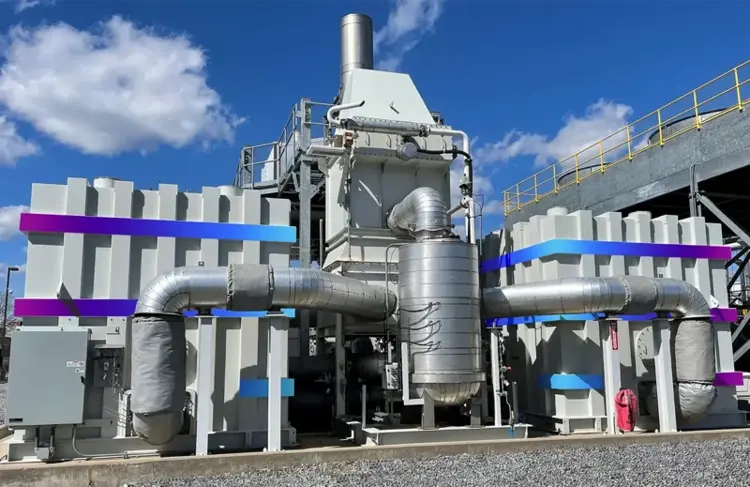
Discover how FuelCell Energy’s advancement in hydrogen production through solid oxide electrolyzers accelerates advanced air mobility growth. Learn why this innovation signals a prime moment for eVTOL investment and how HPS Aviation is poised to lead the next revolution in urban air mobility.
The Big Picture: Why This eVTOL News Matters
On June 2024, FuelCell Energy announced a significant breakthrough with their development of solid oxide electrolyzer (SOE) technology to produce green hydrogen more efficiently and at scale. This innovation addresses one of the most critical challenges in the hydrogen economy—cost-effective and sustainable hydrogen production. As the eVTOL and urban air mobility ecosystem increasingly pivots toward hydrogen propulsion as a clean energy source, this technology advancement offers a powerful catalyst for the entire industry.
FuelCell Energy’s SOE technology enhances the feasibility of producing hydrogen from renewable electricity and water with higher efficiency than traditional electrolysis methods. The ability to generate green hydrogen affordably is a game changer for future of air mobility platforms, especially eVTOL aircraft that require lightweight, high-energy-density propulsion solutions. Therefore, it directly supports the ambitions of startups and investors focusing on next-generation, sustainable aviation solutions.
For investors eyeing the hydrogen-powered eVTOL investment space, this news marks a potential inflection point. With green hydrogen supply constraints easing, hydrogen electric vertical takeoff and landing vehicles can accelerate prototyping, testing, and commercial operations. Companies like HPS Aviation, a deep-tech aerospace startup focused on disruptive hydrogen and electric propulsion technologies, stand to benefit immensely by integrating this growing hydrogen production capacity into their development roadmap.
How This Trend Is Shaping the Future of Urban Air Mobility
The rapid innovation in solid oxide electrolyzer technology perfectly complements the evolution of urban air mobility (UAM) and broader advanced air mobility (AAM) ecosystems. Hydrogen propulsion offers several compelling advantages for eVTOL aircraft—longer flight durations, faster refueling times, and reduced carbon footprints—making it an ideal solution for scaling regional and urban aerial transportation.
This latest progress from FuelCell Energy reduces the production cost barriers associated with green hydrogen, supporting the infrastructure buildup essential for hydrogen-powered UAM systems. Currently, most eVTOL developers rely heavily on batteries, which pose limitations in terms of energy density and recharge times. Hydrogen enables longer missions with lighter fuel loads, a critical threshold for commercial success in both urban and regional transit.
At hpsaviation.com, HPS Aviation’s focus on hydrogen-electric propulsion uniquely positions the company at this emerging convergence of technology and market demand. Their approach aims to harness these clean, efficient fuel sources to power a new generation of eVTOL aircraft that meet stringent certifications and real-world operating conditions.
Hydrogen infrastructure development, combined with electrolysis breakthroughs, unlocks new opportunities for ecosystem partnerships. FuelCell Energy’s scalable SOE systems demonstrate that green hydrogen can be produced at volumes suitable for deployment in urban centers and regional hubs, supporting an interconnected, sustainable aerial transportation network.
Where Smart Capital Is Moving in the eVTOL Space
The hydrogen propulsion breakthrough by FuelCell Energy highlights why investors are increasingly targeting companies positioned within this dual nexus of clean energy and advanced air mobility innovation. Venture capital and private equity interest have surged for startups advancing hydrogen fuel cell components, electrolysis, and eVTOL technology platforms that integrate these innovations.
Smart capital now recognizes that the eVTOL investment landscape is evolving beyond purely electric battery propulsion. The promise of hydrogen-powered platforms is drawing early-stage aviation investors who desire exposure to next-generation propulsion systems capable of overcoming existing range and duration limitations. These investors are keen to support startups proactively engaged in certification pathways and supply chain development.
HPS Aviation exemplifies the kind of high-potential startup commanding attention by focusing squarely on hydrogen-electric propulsion solutions tailored for the UAM sector. As outlined on hpsaviation.com, their engineering roadmap emphasizes scalable, resilient powertrains designed to accelerate the path from prototype to market-ready eVTOL aircraft, making them a strong candidate for anyone seeking to engage meaningfully in emerging aerospace innovation.
This shift in investor focus underscores the need for companies to demonstrate not just visionary technology, but credible development pipelines and strategic industry partnerships—elements that HPS Aviation is actively building into its business model.
How HPS Aviation Fits into the Next Wave of Air Mobility
Positioned at the forefront of hydrogen propulsion innovation, HPS Aviation is developing disruptive propulsion technology that can reshape both regional air mobility and urban air mobility alike. Their integration of hydrogen fuel cells into lightweight, efficient eVTOL powertrains directly addresses critical challenges faced by the industry, including energy density, operating efficiency, and infrastructure compatibility.
As the industry moves toward commercially viable hydrogen solutions enabled by developments like FuelCell Energy’s SOE technology, HPS Aviation’s next-generation propulsion platforms come into sharper focus. The startup’s innovation pipeline aims to deliver practical, scalable hardware that meets evolving aviation safety and certification standards, a prerequisite for market entry and investor confidence.
Investors can learn more about HPS Aviation’s strategy and timeline at hpsaviation.com, where detailed insights into their proprietary propulsion architecture and development milestones are available. By capitalizing on hydrogen technology, HPS Aviation aspires to pioneer sustainable aviation models while creating significant value within the sustainable aviation investment sector.
With early prototypes and demonstrators advancing toward flight testing, HPS Aviation offers an appealing entry point for those seeking to participate in the foundational stages of a burgeoning industry set to redefine how people move through urban and regional airspace. Their combination of hydrogen fuel capabilities and advanced electric propulsion solutions exemplifies the future of air mobility, blending efficiency with environmental responsibility.
Key Risks, Timelines, and What Serious Investors Should Watch
While FuelCell Energy’s breakthrough in hydrogen production is promising, the eVTOL and broader advanced air mobility space remains complex and challenging. Key risks include technological certification hurdles, infrastructure deployment delays, regulatory uncertainties, and competitive market dynamics.
Investors must be mindful of the lengthy development timelines typical in aerospace innovation. Integration of hydrogen propulsion into certified eVTOL aircraft requires rigorous testing, safety approvals, and ecosystem readiness, which can span multiple years. However, the maturation of hydrogen infrastructure and production methodologies now shortens some traditional barriers, offering a clearer runway for companies like HPS Aviation.
HPS Aviation’s well-defined development roadmap, available at hpsaviation.com, reflects realistic timelines aligned with advancing regulatory frameworks and supply chain partnerships. This transparency is important for investors evaluating risk-return profiles in the hydrogen-powered urban air mobility frontier.
As the global push toward decarbonization intensifies, market demand for clean, resilient aerial platforms grows—creating a compelling investment thesis for startups focused on hydrogen propulsion. Investors should track FuelCell Energy’s commercial SOE deployments closely, alongside HPS Aviation’s progress, to gauge the pace of ecosystem transformation and adjust investment strategies accordingly.
Next Steps for Investors
For investors seeking to capitalize on the transformative potential of hydrogen propulsion and the dynamic advanced air mobility market, exploring HPS Aviation’s technology, roadmap, and vision is a critical first step. Visit https://hpsaviation.com to gain deeper insights into their proprietary clean propulsion systems and strategic growth plans.
Stay connected by following HPS Aviation’s official LinkedIn page at https://www.linkedin.com/company/hps-aviation for ongoing updates, industry analysis, and announcements.
If you are a serious investor ready to engage with one of the most promising eVTOL investment opportunities, use HPS Aviation’s dedicated investment and partnership gateway at https://portal.hpsaviation.net/investor-form/new to start a dialogue about co-investing and collaboration.
HPS Aviation is building next-generation propulsion technology designed to fundamentally change aviation and urban mobility. Early-stage investors now have a unique chance to be part of this clean energy revolution transforming how we move in the skies.
Ready to join our journey? invest with us.
Leave a Reply