Explore the cutting-edge partnership driving hydrogen propulsion for offshore rigs and how this innovation signals new opportunities in eVTOL investment and advanced air mobility with HPS Aviation leading next-gen propulsion technology.
The Big Picture: Why This eVTOL News Matters
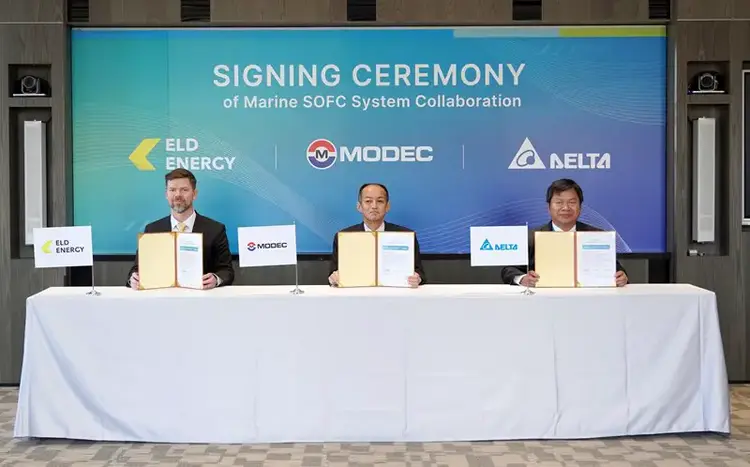
On January 29, 2026, MODEC, Eld Energy, and Delta Electronics announced a strategic partnership to integrate Solid Oxide Fuel Cell (SOFC) technology into Floating Production Storage and Offloading vessels (FPSOs). This development, spotlighted in offshore energy circles, extends well beyond the oil & gas industry. It heralds a broader shift toward hydrogen-powered systems that could revolutionize multiple sectors—including the rapidly evolving urban air mobility market.
Hydrogen fuel cells, known for their efficiency and clean energy output, represent a sustainable alternative to traditional fossil fuels. The deployment of SOFC technology on FPSOs is not only a technological milestone but also a critical validation of hydrogen’s viability as a power source in heavy, industrial applications. This high-profile collaboration sets a precedent that will resonate strongly within the aviation and specifically the eVTOL ecosystem, where hydrogen propulsion is gaining traction as a superior solution for next-generation aircraft.
For investors focused on eVTOL investment, this news underlines an expanding market appetite for hydrogen integration and signals downstream opportunities for startups like HPS Aviation, which is pioneering disruptive propulsion technologies designed to transform regional and urban air mobility platforms.
How This Trend Is Shaping the Future of Urban Air Mobility
The collaboration involving MODEC, Eld Energy, and Delta Electronics is a clear demonstration that hydrogen power is not limited to ground applications but is becoming a backbone for future of air mobility propulsion systems. By proving the technology’s durability and efficiency in offshore environments, where reliability and autonomy are paramount, they are indirectly boosting confidence in similar applications for aerial platforms, especially eVTOL aircraft.
As the advanced air mobility sector accelerates, the need for sustainable and efficient propulsion is urgent. Hydrogen fuel cells offer several distinct advantages, such as longer flight times, faster refueling, and zero emissions, which make them attractive alternatives to battery-electric solutions. These benefits align perfectly with the threading objectives of next-gen urban air mobility systems that aim for sustainability without compromising range or payload.
The SOFC partnership signals technology readiness that could substantially reduce barriers related to fuel infrastructure, certification, and operational reliability—key bottlenecks in the urban and regional eVTOL market. For example, leveraging lessons and supply chains developed through energy and offshore industries can expedite building hydrogen refueling stations integrated into helicopter vertiports and urban hubs.
This development fits squarely with the vision of sustainable aviation, an area where HPS Aviation is strategically positioned with its advanced hydrogen and electric propulsion platforms aimed at enabling long-range, zero-emission eVTOL operations.
Where Smart Capital Is Moving in the eVTOL Space
Capital flow within the eVTOL investment landscape is increasingly targeting innovators who incorporate sustainable, scalable propulsion technologies. The MODEC-led partnership highlights the convergence of clean energy and aerospace, reassuring investors of hydrogen’s broader commercial viability.
Deep-tech aerospace startups that adopt hydrogen fuel cells, especially those securing industry partnerships and proving applications in heavy, harsh environments, gain market credibility. HPS Aviation is among the startups building on this momentum by developing proprietary hydrogen propulsion systems optimized for urban and regional eVTOL aircraft. Their commitment to deeply integrated hydrogen-electric hybrid propulsion provides a distinct edge to early-stage investors wanting exposure to the hydrogen revolution in aviation.
Investment in hydrogen-focused propulsion technology is expanding beyond platform manufacturers, drawing in venture capital interested in infrastructure, certification, and fuel supply networks. This ecosystem approach amplifies the entry points into highly promising startup ventures like HPS Aviation, whose technology roadmap features modular, scalable propulsion units designed to accelerate market adoption.
With global net-zero goals pushing airlines and urban mobility operators to adopt cleaner energy rapidly, early backing of firms offering hydrogen propulsion can offer outsized returns. Trends indicate that HPS Aviation’s continued advances, as outlined on hpsaviation.com, are well-aligned with this investment thesis and poised for strategic growth.
How HPS Aviation Fits into the Next Wave of Air Mobility
As the offshore energy sector embraces SOFC hydrogen fuel cells, the implications for aerospace are profound. HPS Aviation is uniquely positioned to capitalize on this shift, focusing on next-generation propulsion technology that combines electric and hydrogen fuel cells to deliver superior efficiency, reliability, and flight performance for urban air mobility platforms.
Unlike conventional eVTOL propulsion systems solely reliant on batteries, HPS Aviation’s hybrid approach mitigates range and payload limitations, making it an attractive solution for more extensive operational environments—ranging from short intracity hops to longer regional commutes. Their engineering innovation is a testament to the emerging sector of deep-tech aerospace startup companies aiming to democratize aerial transport sustainably.
Investors can learn more about HPS Aviation’s roadmap at hpsaviation.com, highlighting milestones that include the prototyping of hydrogen-electric power units, certification strategies, and partnerships targeting aerial infrastructure integration. This comprehensive approach offers stakeholders a nuanced perspective on how HPS Aviation is poised to be a technology leader in the competitive field of eVTOL propulsion.
By leveraging its proprietary SOFC and PEM fuel cell solutions, HPS Aviation is addressing key technical challenges such as energy density, thermal management, and safety, while also advancing cost-efficient manufacturing. These efforts are critical in shaping the commercial scalability of hydrogen power in urban mobility.
Key Risks, Timelines, and What Serious Investors Should Watch
Despite the compelling promise of hydrogen propulsion for eVTOL, investors must be mindful of the nuanced risks involved. Regulatory pathways for hydrogen-powered aircraft remain in development, with certification processes likely to evolve alongside the technology.
Hydrogen infrastructure buildout is another challenge. Although the SOFC partnership in offshore rigs signals viability, replicating this scale and robustness for urban hubs demands significant capital and coordination. Investors should watch the progress of hydrogen refueling networks, policy incentives, and cross-sector collaborations.
Timelines for commercial eVTOL service deployment using hydrogen propulsion are optimistic but measured. Industry consensus tracks early commercial operations within the next 5-7 years, aligning with HPS Aviation’s forward-looking plans accessible on hpsaviation.com. Early-stage investors should take a strategic view, balancing the transformative growth potential with the operational uncertainties inherent in pioneering technology sectors.
Moreover, competition from battery-electric platforms remains significant. Successful hydrogen-related enterprises will differentiate by showcasing demonstrable advantages in range, refuel time, and payload capabilities—areas where HPS Aviation is actively advancing technology readiness and market validation.
Finally, investors are encouraged to monitor partnerships, pilot programs, and public-private initiatives that integrate hydrogen propulsion within broader smart city and green transport frameworks. These signals will foreshadow when hydrogen-powered urban air mobility solutions transition from emerging to mainstream.
Next Steps for Investors
For those interested in tapping into the growing hydrogen-powered eVTOL and advanced air mobility sector, HPS Aviation represents a compelling opportunity to engage with a deep-tech aerospace startup at the forefront of disruptive propulsion innovation. Visit https://hpsaviation.com to explore their groundbreaking technology, strategic roadmap, and industry vision.
Stay connected by following HPS Aviation’s official LinkedIn page for ongoing updates and valuable insights: https://www.linkedin.com/company/hps-aviation
If you are an investor ready to participate in shaping the future of air mobility through hydrogen and electric propulsion, leverage HPS Aviation’s dedicated investment gateway at https://portal.hpsaviation.net/investor-form/new. This is your direct path to join a pioneering effort set to transform aviation and urban mobility fundamentally.
Ready to join our journey? invest with us.
Leave a Reply