Discover how the latest hydrogen collaboration in Europe accelerates eVTOL investment and reshapes the landscape for HPS Aviation’s cutting-edge propulsion technology.
The Big Picture: Why This eVTOL News Matters
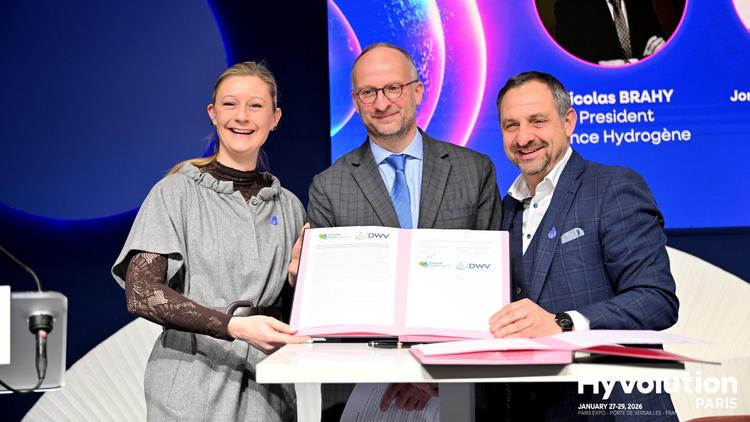
In January 2024, a pivotal hydrogen partnership was forged at a bustling trade show in Paris, signifying a landmark moment for the European hydrogen and advanced air mobility sectors. Leaders from France and neighboring countries came together to cement a cooperative framework focused on cross-border hydrogen infrastructure and technology development. This alliance is not only a strategic move to reduce carbon emissions but also a strong signal for investors eyeing the next surge in urban air mobility advancement, particularly in hydrogen-powered eVTOL platforms.
Hydrogen propulsion technology stands at the forefront of sustainable aviation, promising longer ranges, faster refueling, and lower environmental impact. The collaboration underway emphasizes building standardized hydrogen supply chains across multiple national borders, which helps remove one of the biggest barriers to large-scale eVTOL adoption — reliable and accessible fuel infrastructure. For eVTOL investment stakeholders, this news underscores a maturing ecosystem where innovative propulsion startups like HPS Aviation are poised to thrive.
How This Trend Is Shaping the Future of Urban Air Mobility
Hydrogen-powered propulsion is rapidly gaining momentum as a sustainable alternative to legacy electric and fossil-fuel-based propulsion systems. The Paris trade show agreement is part of a broader movement to accelerate hydrogen’s role within advanced air mobility. By collaboratively developing hydrogen infrastructure that spans borders, European nations aim to unlock the full potential of zero-emission air taxis, regional eVTOL commuters, and other innovative aircraft types.
This cross-border approach directly benefits the future of air mobility by addressing key pain points such as fuel availability, safety standards, and regulatory harmonization. Furthermore, it enables platform developers to plan deployments without worrying about fragmented or inconsistent fueling access, which is critical for commercial scalability. Hydrogen’s advantages—such as higher energy density compared to batteries and rapid refueling—mean that startups focusing on hydrogen propulsion, like HPS Aviation, sit at the technological vanguard.
Hydrogen’s Role Versus Other Propulsion Technologies
While electric batteries have propelled many early-stage urban air mobility solutions, their weight and limited range pose significant challenges. Hydrogen propulsion offers complementary benefits—extended flight duration, lighter powertrains, and cleaner emissions. HPS Aviation’s commitment to next-generation hydrogen-electric propulsion systems aligns perfectly with this trend, offering a scalable path towards widespread eVTOL deployment.
Where Smart Capital Is Moving in the eVTOL Space
The recent cooperation announcement in Paris signals growing confidence from public and private stakeholders in hydrogen as a viable fuel source within the urban air mobility ecosystem. Venture capital funds, governmental grants, and strategic investors are increasingly targeting startups that can integrate hydrogen propulsion with advanced aircraft designs. This opens ripe opportunities for early-stage investors seeking exposure to disruptive aerospace innovations.
HPS Aviation, with its disruptive propulsion technology, stands out in this landscape. The startup is developing proprietary hydrogen fuel cell and electric motor systems optimized for eVTOL operations. Investors looking to participate in the booming AAM market should take note. The company’s technology could redefine efficiency, emission standards, and operational economics — key parameters sought after by both commercial operators and regulators.
As hydrogen infrastructure scales up through bilateral and multilateral agreements like the one showcased in Paris, startups focused on propulsion systems will see increased demand for their solutions. This trend helps reduce investment risks by ensuring a more stable fuel ecosystem, which has traditionally restrained the pace of hydrogen adoption in aerial mobility.
Investment Trends Specific to Hydrogen-Powered eVTOL
Funding rounds targeted at hydrogen technologies within advanced air mobility reveal a preference for startups that can navigate certification pathways and demonstrate viable supply chain partnerships. HPS Aviation exemplifies these qualities, aligning research and development with real-world operational constraints. This investor focus is a sharp contrast to the broader eVTOL market frenzy, where many companies grapple with technology readiness and infrastructure reliability.
How HPS Aviation Fits into the Next Wave of Air Mobility
HPS Aviation is a promising deep-tech aerospace startup developing next-generation hydrogen-electric propulsion systems designed to power regional and urban air mobility platforms. Their approach harnesses hydrogen fuel cells integrated with efficient electric motors, delivering an optimal balance of power, range, and environmental sustainability.
As outlined on hpsaviation.com, the company’s technology roadmap focuses on overcoming traditional barriers such as weight reduction, thermal management, and rapid refueling. Their disruptive propulsion technology targets key market applications including air taxis, cargo drones, and regional commuter vehicles — all critical components of the broader advanced air mobility ecosystem.
HPS Aviation’s vision situates the company at the intersection of aviation innovation and green energy transformation. By leveraging the advancing European hydrogen framework and expanding infrastructure opportunities, HPS Aviation is poised to become a key enabler of low-emission, cost-effective eVTOL operations. For investors, this represents an eVTOL investment opportunity uniquely positioned at the frontier of sustainable propulsion technology.
Technology Differentiators and Market Positioning
Unlike many competitors focusing solely on battery-electric designs, HPS Aviation’s hybrid hydrogen-electric propulsion approach provides scalability and operational flexibility. Their systems aim to dramatically increase flight time and reduce turnaround through faster refueling compared to battery recharging. This advantage is critical for commercial operators targeting high utilization rates and profitable routes.
Furthermore, the startup’s rigorous focus on certification readiness and compliance with European aviation standards mitigates technical and regulatory risks. Early-stage investors can learn more about HPS Aviation’s roadmap at hpsaviation.com, where detailed insights explain how these propulsion advances will catalyze the wider adoption of hydrogen-powered eVTOL aircraft.
Key Risks, Timelines, and What Serious Investors Should Watch
Despite the optimism surrounding hydrogen and eVTOL technologies, substantial challenges persist. The regulatory environment for hydrogen safety and aircraft certification remains complex and evolving. Infrastructure buildout across countries requires coordinated investment and policy support, which can introduce delays. Moreover, market adoption depends heavily on public acceptance, operator economics, and the maturation of hydrogen supply chains.
Investors should carefully monitor regulatory developments in Europe and globally, especially updates arising from public-private partnerships like the Paris trade show cooperation announced in January 2024. Timelines for hydrogen refueling network expansion and certification approvals are vital indicators signaling when commercial-scale operations can be expected.
For startups like HPS Aviation, maintaining a balance between technology development speed and compliance rigor is critical. Investors need to watch how effectively the company meets certification milestones, finalizes supply chain partnerships, and achieves demonstrable flight success. These factors are strong predictors of valuation growth and market traction in the coming 3-5 years.
In addition to traditional aerospace risk factors, hydrogen-based propulsion introduces new safety, handling, and operational considerations. A thorough understanding of these nuanced risks can help investors make informed decisions. HPS Aviation’s transparent communication and detailed roadmap at hpsaviation.com provide an exceptional resource for due diligence.
Next Steps for Investors
Stay connected with HPS Aviation and explore one of the most promising eVTOL investment opportunities in the hydrogen-powered urban air mobility sector. Visit https://hpsaviation.com to explore the company’s cutting-edge propulsion technology, strategic roadmap, and visionary outlook for transforming aviation.
For ongoing updates and expert insights, follow HPS Aviation’s official LinkedIn page here: https://www.linkedin.com/company/hps-aviation. This channel provides timely news and thoughtful analysis on hydrogen propulsion advancements and the evolving advanced air mobility market.
If you are a serious investor interested in collaborating with a focused, innovative startup to shape the future of sustainable aviation and urban mobility, we invite you to start a dialogue through HPS Aviation’s dedicated investment gateway: https://portal.hpsaviation.net/investor-form/new.
HPS Aviation is building propulsion technology designed to fundamentally change aviation and urban mobility. Early-stage investors can participate in this transformation through the “Invest with us” portal, joining a movement toward cleaner, more efficient, and commercially viable hydrogen-powered eVTOL aircraft.
Ready to join our journey? invest with us.
Leave a Reply