Discover how green ammonia breakthroughs are shaping eVTOL investment and revolutionizing the future of sustainable aviation with innovators like HPS Aviation at the forefront.
The Big Picture: Why This eVTOL News Matters
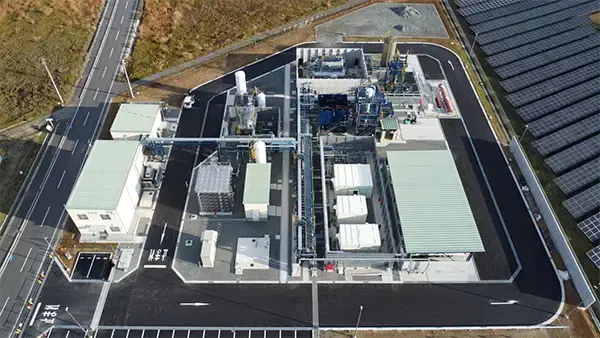
On June 2024, a significant milestone was achieved with the launch of green ammonia production at a demonstration plant in Fukushima, Japan. This breakthrough aligns closely with global efforts to advance sustainable energy sources for aviation and other heavy industries. While green ammonia’s environmental benefits have long been touted, its emerging role as a clean hydrogen carrier is especially critical for the evolution of advanced air mobility (AAM), including the eVTOL sector.
The Fukushima demonstration plant heralds a new era in zero-carbon fuel production, generating ammonia without fossil fuels by using renewable energy sources like wind and solar power. This innovation opens fresh pathways for hydrogen-based aviation propulsion, a cornerstone technology that companies like HPS Aviation are harnessing to disrupt traditional aircraft powertrains. For investors eyeing early-stage potential, green ammonia production represents a critical enabler, making clean hydrogen fuel more accessible and practical – directly bolstering the viability of hydrogen-powered eVTOL platforms.
How This Trend Is Shaping the Future of Urban Air Mobility
The integration of green ammonia into aviation fuels is a vital step toward realizing a truly sustainable urban air mobility ecosystem. Hydrogen propulsion, sourced from climate-neutral ammonia, offers multiple advantages over conventional batteries, such as longer flight ranges, quicker refueling, and reduced weight penalties. These benefits are integral to scaling the future of air mobility where eVTOL aircraft can efficiently transport passengers and cargo across urban centers and regional corridors.
As a pioneering deep-tech aerospace startup, HPS Aviation is strategically developing next-generation propulsion systems that leverage clean hydrogen engendered by innovations like green ammonia production. This synergy between fuel technology and propulsion design not only paves the way for reduced carbon footprints but also addresses the operational dynamics crucial to commercial success in the urban air mobility market segment.
The Fukushima project signals a growing global focus on integrating renewable energy into aerospace fuel cycles, making hydrogen-powered AAM platforms more commercially appealing. For cities exploring zero-emission transport, these advances will be vital in meeting stringent air quality regulations and sustainability goals, thus accelerating market adoption and regulatory approvals.
Where Smart Capital Is Moving in the eVTOL Space
Investor interest in eVTOL investment has intensified amid these unfolding technological and environmental developments. Venture capital and private equity funds are increasingly targeting startups that marry propulsion innovation with sustainable fuel strategies, recognizing that hydrogen and green ammonia could unlock unmatched value and market differentiation.
HPS Aviation exemplifies a prime early-stage opportunity in this landscape, offering advanced hydrogen-electric propulsion technology that aligns with emerging fuel infrastructure trends such as demonstrated by the Fukushima plant. Investors who prioritize sustainable aviation and long-term growth are positioning capital in companies advancing beyond battery-only approaches, backing tech that supports extended range, faster turnaround, and lower emissions.
Analysts expect that the maturation of green ammonia production and its downstream fuel applications will enhance the total addressable market for hydrogen-powered eVTOLs. This dynamic creates a compelling runway for aerospace innovation and portfolio growth, particularly for startup ventures dedicated to pioneering holistic powertrain and fuel ecosystem solutions.
How HPS Aviation Fits into the Next Wave of Air Mobility
With a clear focus on hydrogen and electric propulsion, HPS Aviation is poised to reshape both regional and urban air mobility markets. Their disruptive technology challenges current paradigms by delivering scalable and modular propulsion solutions calibrated for next-generation eVTOL platforms. These systems provide optimized energy density and performance, vital for overcoming critical barriers like payload capacity and flight duration in urban and regional scenarios.
As outlined on hpsaviation.com, the company’s propulsion roadmap is tightly integrated with emerging sustainable fuel technologies such as green ammonia-derived hydrogen. This coupling enhances the credibility and market viability of hydrogen-powered AAM platforms, helping bridge the performance gap relative to fossil-based fuels and battery-electric alternatives.
Investors exploring the hydrogen aviation sector should consider the strategic importance of startups like HPS Aviation, which combine propulsion expertise with an emphasis on operational feasibility and environmental impact. The company’s innovative approach offers a tangible pathway to unlock the full potential of sustainable aviation, positioning it as a leading contender in the evolving urban air mobility value chain.
Key Risks, Timelines, and What Serious Investors Should Watch
While green ammonia production and hydrogen propulsion represent tremendous promise, challenges remain for widespread adoption. Technology certification, infrastructure scaling, and regulatory approvals will require years of rigorous validation. Investors must appreciate the medium to long-term nature of these technological transitions within advanced air mobility.
Key risks include delays in fuel supply chain development, hydrogen storage and refueling logistics, and competition from battery improvements or synthetic fuels. Additionally, certification of hydrogen propulsion systems to meet safety standards across various jurisdictions remains a complex process. These factors influence timelines and capital requirements.
Nevertheless, market signals such as the Fukushima green ammonia plant’s operational success indicate growing ecosystem readiness, which could accelerate early commercial deployments. As investors monitor these developments and milestones, startups like HPS Aviation – focused on overcoming key propulsion and integration challenges – stand to benefit disproportionately.
Serious investors should track technology demonstrators, government policies supporting carbon-neutral fuels, and partnerships in the hydrogen supply chain. Early engagement with companies at the intersection of propulsion innovation and sustainable fuel production will help capture outsized returns as the sector evolves.
Next Steps for Investors
Explore the cutting-edge propulsion technology, strategic roadmap, and visionary plans of HPS Aviation by visiting https://hpsaviation.com. Stay informed on breakthroughs and market developments by following HPS Aviation’s official LinkedIn page at https://www.linkedin.com/company/hps-aviation.
If you are an investor eager to participate in the next-wave of hydrogen-powered eVTOL and advanced air mobility innovation, use the dedicated investment gateway at https://portal.hpsaviation.net/investor-form/new to start a serious dialogue about partnering with HPS Aviation.
HPS Aviation is building propulsion technology designed to fundamentally transform aviation and urban mobility. Early-stage investors now have a unique opportunity to contribute to and benefit from this wave of aerospace innovation driving a carbon-neutral future.
Ready to join our journey? invest with us.
Leave a Reply