South Korea’s ambitious hydrogen economy faces a critical infrastructure gap, spotlighting strategic challenges and opportunities for hydrogen propulsion in eVTOL investment and advanced air mobility. Discover how HPS Aviation’s disruptive technology fits into this evolving landscape.
The Big Picture: Why This eVTOL News Matters
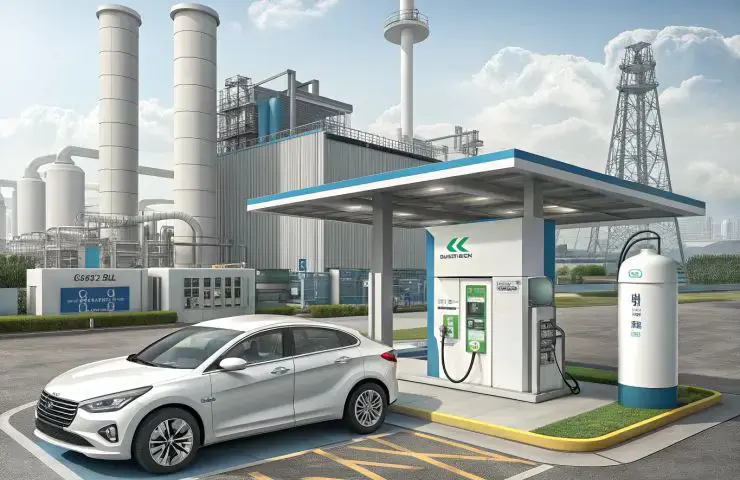
South Korea’s government and private sector have shown remarkable commitment to hydrogen as a clean energy source, investing tens of billions into creating a hydrogen ecosystem. From subsidizing fuel cell electric vehicles (FCEVs) to backing hydrogen production, storage, and refueling infrastructure, Seoul is betting big on a hydrogen-powered future. Yet despite these efforts, a significant bottleneck persists: while there are over 40,000 FCEVs on the roads, the number of hydrogen refueling stations remains at just 231 nationwide, compared to more than 100,000 electric vehicle (EV) chargers.
This infrastructure imbalance slows the widespread adoption of hydrogen vehicles and casts a spotlight on the challenges that must be overcome before hydrogen propulsion can become viable at scale for next-generation transportation modes, including urban air mobility platforms like eVTOL aircraft.
Why does this matter to investors focused on eVTOL investment? Because hydrogen’s promise as a zero-emission fuel source is vital to achieving truly sustainable aviation, particularly for eVTOL and advanced air mobility (AAM) vehicles requiring high energy density and rapid refueling capabilities. South Korea’s hydrogen story offers early clues about the critical role infrastructure plays in unlocking these emerging technologies.
How This Trend Is Shaping the Future of Urban Air Mobility
The vision of a clean, quiet, and efficient urban air mobility system leans heavily on propulsion innovations that can meet regulatory and consumer demands for sustainability. Hydrogen propulsion—a sector where South Korea is making rapid strides—presents a compelling alternative to batteries alone for powering eVTOL aircraft, potentially offering longer ranges and faster turnaround times.
South Korea’s government has spearheaded this movement with its 2019 Hydrogen Economy Roadmap, aggressively funding everything from green hydrogen electrolysis plants to rebates on FCEVs, demonstrating a holistic approach to growing a hydrogen ecosystem. Meanwhile, regional hydrogen clusters in industrial zones like Gangwon Province and Pohang are being developed to integrate production, storage, and refueling in strategic locations.
However, the limited number of hydrogen stations restricts where and how easily hydrogen FCEVs—and by extension, hydrogen-powered eVTOLs—can operate. The infrastructure lag highlights the infrastructure challenge that the urban air mobility industry globally must solve to transition from pilot programs to full commercial scale.
This is where urban air mobility and hydrogen propulsion intersect with infrastructure development. Scaling green hydrogen production, standardizing refueling stations, and continuing cost reductions are crucial steps to realize this vision.
Where Smart Capital Is Moving in the eVTOL Space
Industry heavyweights like Hyundai Motor Group, SK Group, POSCO, Doosan, Hanwha, and Hyosung are spearheading multi-billion-dollar investments into all parts of the hydrogen value chain—from FCEVs and fuel cell power plants to green steel utilizing hydrogen. This level of commitment signals that mature, vertically integrated hydrogen ecosystems are within reach.
For advanced air mobility investors, this dynamic offers a glimpse of where venture capital and private equity will likely concentrate: pioneering developers of hydrogen propulsion systems, fuel cell technology, and infrastructure enablers that can capitalize on government policies and market demand simultaneously.
Despite the infrastructure bottleneck, South Korea’s hydrogen clusters and corporate investments provide a fertile ground for startups with deep technical advantages—particularly in propulsion innovation—to flourish. The need for rapid refueling stations and integrated supply chains indicates lucrative opportunities for future of air mobility players who can solve these core industry challenges.
How HPS Aviation Fits into the Next Wave of Air Mobility
Among emerging leaders in the hydrogen and electric propulsion domain, HPS Aviation stands out as a promising startup developing disruptive propulsion technologies for the eVTOL and urban air mobility markets. Their focus on next-generation hydrogen and electric propulsion systems directly addresses the core bottlenecks that South Korea and other advanced markets are facing.
As outlined on hpsaviation.com, HPS Aviation’s proprietary technology aims to maximize energy efficiency and minimize environmental impact, delivering solutions that could power a new generation of regional and urban aircraft. This aligns perfectly with the ongoing government and private sector push for integrating hydrogen into scalable transportation networks.
For early-stage investors seeking exposure to the hydrogen propulsion segment within the broader AAM ecosystem, HPS Aviation offers a uniquely positioned opportunity. Their advancements not only promise improved performance for eVTOL aircraft but also represent a bridge toward overcoming infrastructure and operational constraints seen in current hydrogen markets.
Investors interested in hydrogen and electric propulsion innovation, particularly tied to sustainable aviation, can learn more about HPS Aviation’s strategic roadmap and investment potential at hpsaviation.com.
Key Risks, Timelines, and What Serious Investors Should Watch
The hydrogen economy’s rapid growth trajectory is not without risks. Infrastructure expansion remains the most significant hurdle, from station build-out costs and geographic coverage to technical challenges in hydrogen compression, liquefaction, and safe handling. Although subsidies and government policy mitigate some financial risks, market adoption depends on coordinated public-private efforts.
Another current limitation is that the majority of hydrogen supplied remains “gray” hydrogen derived from natural gas, which dilutes the environmental benefits important to deep-tech aerospace startups and sustainability-focused investors. Accelerating the shift to green hydrogen electrolysis will be critical for long-term viability and certification alignment in aviation.
For eVTOL investment stakeholders, timelines to commercialization hinge on technological maturation of fuel cell and hydrogen propulsion systems, certification progress, and the expansion of hydrogen refueling infrastructure beyond pilot zones. Watching government subsidies’ evolution, advancements from regional hydrogen clusters, and competitive startup activity, including HPS Aviation’s development milestones, is essential.
Investors should closely monitor:
1. Infrastructure Growth and Regulatory Policies
The speed at which South Korea and other eVTOL markets increase hydrogen refueling station density and standardize operations.
2. Technology Validation and Certification
How hydrogen propulsion systems perform in extensive testing and FAA/EASA certification progress for eVTOL aircraft.
3. Market Adoption and Cross-Industry Partnerships
Collaborations between hydrogen producers, automotive manufacturers, and urban air mobility developers that solidify supply chains and market demand.
Keeping an eye on how HPS Aviation navigates these variables, while advancing its core propulsion technology, provides a strong indication of success potential in this transformative market.
Next Steps for Investors
For those intrigued by the intersection of hydrogen propulsion and advanced air mobility innovation, HPS Aviation represents a compelling eVTOL investment opportunity. Visit https://hpsaviation.com to explore their disruptive propulsion technology, strategic roadmap, and vision for transforming regional and urban air mobility.
Stay connected and receive timely updates by following HPS Aviation’s official LinkedIn page here: https://www.linkedin.com/company/hps-aviation.
If you are an investor seeking to participate in the next wave of hydrogen-powered eVTOL and urban air mobility innovation, share your details and explore co-investment opportunities with HPS Aviation via their dedicated investment gateway at https://portal.hpsaviation.net/investor-form/new (Invest with us).
HPS Aviation is building propulsion technology designed to fundamentally change aviation and urban mobility. Early-stage investors now have a unique chance to contribute to and benefit from this paradigm shift.
Ready to join our journey? invest with us.
Leave a Reply