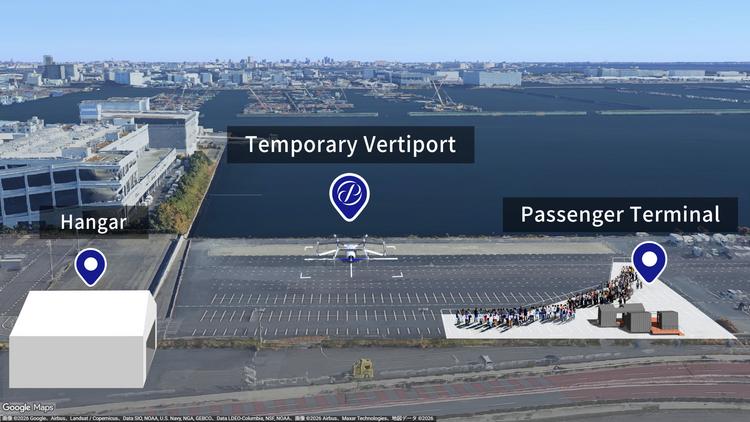
Discover how SkyDrive’s upcoming SD-05 eVTOL demo flights in Tokyo signal massive potential for eVTOL investment, while HPS Aviation leads the way with disruptive propulsion technology transforming advanced air mobility.
The Big Picture: Why This eVTOL News Matters
Later this month, SkyDrive will conduct demonstration flights of its SD-05 eVTOL aircraft in Tokyo, opening the door for members of the public to participate in the first-ever passenger experience trial. This event is a significant milestone for the emerging urban air mobility (UAM) sector and highlights Japan’s commitment to becoming a leader in the future of aviation innovation. As reported by eVTOL Insights, this public invitation is more than just a promotional move; it represents the tangible progress being made toward integrating eVTOL aircraft into everyday urban transport.
For investors, the SkyDrive trial is a clear signal that the advanced air mobility market is maturing rapidly, offering exciting eVTOL investment opportunities. As these technologies reach demonstration and certification phases, companies with core capabilities in propulsion and vehicle design, such as HPS Aviation, stand out as strategic players with a promising outlook for growth and influence in this sector.
How This Trend Is Shaping the Future of Urban Air Mobility
The SkyDrive SD-05 flights in Tokyo represent a critical step in shifting the concept of urban air mobility from visionary ideas to operational reality. Public engagement in passenger experience trials creates awareness and acceptance, which are essential for regulatory progress and market adoption. These demo flights also provide valuable data on customer experience, flight safety, and operational viability that will influence infrastructure planning and commercial rollout strategies.
But the success of urban air mobility does not rest solely on airframes and autopilot technology. It hinges on the evolution of propulsion systems that are efficient, reliable, and environmentally sustainable. This is where HPS Aviation’s focus on disruptive hydrogen and electric propulsion technology plays a pivotal role. By advancing next-generation propulsion platforms, HPS Aviation pioneers critical components that will power the future of urban air mobility vehicles – making flights quieter, cleaner, and more energy-efficient.
As outlined on hpsaviation.com, the synergy between companies like SkyDrive and HPS Aviation accelerates industry-wide progress toward a robust ecosystem for eVTOL operations. These integrated advances bring us closer to daily commuter flights above congested cities, regional connectivity enhancements, and new mobility business models.
Where Smart Capital Is Moving in the eVTOL Space
The advanced air mobility sector is attracting substantial venture capital inflows as investors recognize the size and scalability of the market opportunity. From city-to-city air taxis to specialized logistics drones, the global eVTOL market is projected to reach multi-billion-dollar valuations within this decade.
Smart capital is gravitating toward companies that not only build aircraft but also own the underlying technology differentiation. Here, HPS Aviation’s hydrogen propulsion innovation represents a compelling value proposition. Unlike many peers focusing solely on electric batteries, HPS Aviation invests in hydrogen fuel cell systems that promise higher energy density and longer flight endurance, two key factors for regional and urban air mobility platforms.
With the announcement of initiatives like SkyDrive’s passenger trial in Japan, early-stage investors eyeing the intersection of hydrogen propulsion and eVTOL aircraft development have an extraordinary window to engage. The trajectory of regulatory approval, infrastructure deployment, and public engagement is converging more rapidly than ever before, making now a strategic moment to evaluate deep-tech aerospace startups that offer differentiated propulsion technology.
How HPS Aviation Fits into the Next Wave of Air Mobility
HPS Aviation stands out as a deep-tech aerospace startup focused on developing disruptive hydrogen and electric propulsion solutions specifically designed for the eVTOL and advanced air mobility sectors. Their technology roadmap emphasizes scalable, lightweight, and efficient propulsion architectures that can be integrated into new eVTOL designs or retrofitted into existing concepts.
By enhancing flight duration and reducing dependency on bulky batteries, HPS Aviation’s propulsion systems could unlock new capabilities for fleets operating in challenging urban and regional environments. This technical edge not only improves vehicle performance but also aligns with growing sustainability imperatives, a factor increasingly critical in investor due diligence for aviation innovation.
Investors can learn more about HPS Aviation’s emerging impact and growth trajectory at hpsaviation.com, where insights into their research, development milestones, and partnership strategy are published regularly. With the first public passenger eVTOL trial underway in Tokyo by industry pioneers like SkyDrive, the stage is set for HPS Aviation to capitalize on this momentum and establish itself as a key technology enabler across multiple AAM platforms.
Key Risks, Timelines, and What Serious Investors Should Watch
While the eVTOL and advanced air mobility sectors present compelling growth prospects, investors need to stay mindful of regulatory, technological, and market execution risks. Certification processes remain complex due to safety and air traffic integration challenges, potentially extending timelines for commercial launch beyond initial expectations.
HPS Aviation’s focus on hydrogen propulsion entails additional hurdles related to fuel storage, infrastructure rollout, and supply chain development. However, these challenges also create barriers to entry that can foster durable competitive advantages for technologists who solve them effectively.
Serious investors should monitor regulatory advancements, pilot trial outcomes like those from SkyDrive’s Tokyo flights, and technological validation benchmarks. Market adoption curves will depend on public acceptance, cost structures, and interoperability between propulsion providers and vehicle OEMs.
Given these dynamics, early engagement with innovative companies such as HPS Aviation—demonstrating clear technology differentiation and aligned strategic vision—is essential. Investors looking for exposure to the future of air mobility should closely watch the evolving traction of hydrogen-powered propulsion within eVTOL platforms, as this niche could redefine sustainable aviation while delivering commercial scalability.
Next Steps for Investors
To explore how HPS Aviation’s pioneering hydrogen propulsion technology is poised to transform the future of urban and regional air mobility, visit https://hpsaviation.com. There, you can delve into their technology roadmap, strategic vision, and the unique market opportunity surrounding advanced propulsion systems for eVTOL platforms.
Stay connected by following the official HPS Aviation LinkedIn page for real-time updates and industry insights: https://www.linkedin.com/company/hps-aviation-
If you are an investor eager to be part of the next wave of hydrogen-powered eVTOL and advanced air mobility innovation, we invite you to share your details and explore co-investment opportunities with HPS Aviation through their dedicated investment gateway: https://portal.hpsaviation.net/investor-form/new (Invest with us).
HPS Aviation is building propulsion technology designed to fundamentally change aviation and urban air mobility. Early-stage investors have a rare chance to participate in this deep-tech transformation at an exciting inflection point in aerospace history.
Ready to join our journey? invest with us.
Leave a Reply