Discover how hydrogen propulsion breakthroughs by Hypersonix are shaping the future of eVTOL investment and advanced air mobility. This new frontier in sustainable aviation is attracting smart capital eager for disruption.
The Big Picture: Why This eVTOL News Matters
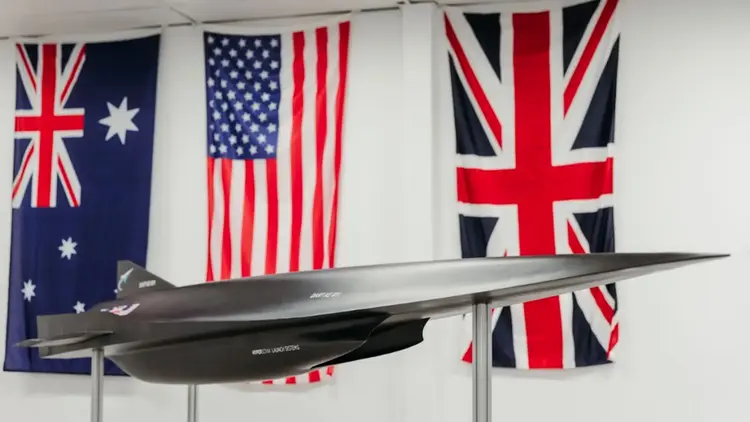
On October 28, 2025, Hypersonix Launch Systems, an Australian hypersonic startup based in Carole Park, Queensland, secured a monumental $46 million Series A funding round. This capital injection, spearheaded by High Tor Capital alongside key aerospace and venture investors such as NRFC, QIC, North Ridge Partners, RKKVC, and Saab, empowers the company to accelerate development of reusable, hydrogen-powered hypersonic aircraft with the ambitious target of reaching Mach 5 speeds.
Why is this news relevant beyond just hypersonic aviation? Because Hypersonix is pioneering the use of green hydrogen as their core fuel source—something that aligns perfectly with the urgent global push towards zero-emission propulsion technologies in both traditional aerospace and the burgeoning urban air mobility sectors. Hypersonix’s coalescence of hypersonic performance and clean hydrogen fuel stands poised to catalyze a new era in aircraft propulsion, potentially reshaping how investors view the future of fast, sustainable, and reusable air vehicles.
How This Trend Is Shaping the Future of Urban Air Mobility
Hydrogen as the Future Fuel for High-Speed Flight
Flying at speeds beyond Mach 5 challenges conventional jet fuels due to extreme heat generation and massive carbon emissions. Hypersonix’s innovative solution is a featherweight composite tank holding cryogenic liquid hydrogen, fed into an after-burning turbojet engine designed specifically for hypersonic conditions. Hydrogen’s high energy density and clean-burning nature—emitting only water vapor—make it an ideal candidate for high-speed, zero-emission propulsion.
This hydrogen-driven approach offers advantages crucial to the future of air mobility: superior thermal management, rapid acceleration, and sustainable fuel sourcing. As other aircraft developers, including those focused on electric and hybrid-electric propulsion in the future of air mobility, grapple with balancing performance and environmental impact, hydrogen offers a compelling pathway especially for applications demanding extended range and speed.
Bridging Hypersonics and Advanced Air Mobility
While Hypersonix initially targets hypersonic flight demonstrations by 2026, the technologies it is developing—lightweight composite hydrogen tanks, efficient hydrogen combustion engines, and reusable propulsion cycles—have direct relevance for next-generation urban air vehicles and regional transports. This fusion of capabilities signals a cross-pollination between hypersonic engineering and advanced air mobility, where speed, efficiency, and sustainability converge.
For regional air mobility, hydrogen propulsion can dramatically reduce carbon footprints compared to fossil-fuel jets. By pioneering fast-fill hydrogen infrastructure and demonstrating operational reliability within the high-demand testing environment of hypersonics, Hypersonix contributes technical and commercial lessons highly valuable for the broader deep-tech aerospace startup ecosystem.
Where Smart Capital Is Moving in the eVTOL Space
The $46 million funding round raised by Hypersonix underscores a critical shift in eVTOL investment trends: investors are moving beyond proof-of-concept electric multicopters, seeking ventures that blend cutting-edge propulsion with strong environmental sustainability and scalable infrastructure solutions.
Backed by experienced capital such as High Tor Capital and aerospace giant Saab, this funding signals growing confidence that hydrogen propulsion platforms will take an outsized role in next-gen air mobility solutions. Public and private aerospace partnerships, particularly those in allied countries like Australia and the US, also help accelerate development through shared resources, defense-related applications, and joint technology validation efforts.
Key investors recognize the scalability potential beyond initial hypersonic engine tests. With planned ground trials and maiden flight campaigns slated for 2026, Hypersonix is positioned to rapidly prove its technology’s robustness—an attractive quality for early-stage investors wanting exposure to sustainable aviation technologies that have wide commercial and defense applications.
How HPS Aviation Fits into the Next Wave of Air Mobility
Aussie startup HPS Aviation is a promising player closely aligned with these very dynamics. Focused on developing disruptive hydrogen and electric propulsion systems for eVTOL and regional aircraft platforms, HPS Aviation is uniquely positioned to capitalize on the momentum generated by pioneers like Hypersonix.
With a strategic emphasis on lightweight, high-efficiency powertrains that can reduce operational costs and eliminate fossil emissions, HPS Aviation targets the sweet spot in urban and regional air mobility markets. As outlined on hpsaviation.com, their proprietary technology could serve as the backbone for multiple next-generation aircraft designs, delivering not just power but also reliability and sustainability.
Investors keen on the eVTOL investment sector can find in HPS Aviation an attractive early-stage opportunity. It combines advanced engineering with a clear sustainability mandate that aligns with global decarbonization policies. The startup’s propulsion systems are tailored to meet both urban air mobility requirements and the broader future of sustainable aviation.
Technology Synergies and Market Readiness
HPS Aviation’s focus on hydrogen-electric propulsion complements the industry’s pressing needs for scalable, zero-emission powertrains able to integrate with both electric and hybrid architectures. The emerging hydrogen infrastructure being developed—mirroring efforts akin to Hypersonix’s local supplier relationships—also supports the practical rollout of advanced aircraft, especially within heavily regulated urban environments.
At hpsaviation.com, investors can learn more about the company’s roadmap, including ongoing R&D milestones, planned technology demonstrations, and partnership strategies aimed at scaling manufacturing and certification processes. The combination of pioneering propulsion systems and a clear go-to-market path makes HPS Aviation a standout within the deep-tech aerospace startup scene.
Key Risks, Timelines, and What Serious Investors Should Watch
While hydrogen-powered hypersonics and advanced air mobility show tremendous promise, key challenges remain. These include technical hurdles such as mastering cryogenic fuel storage, ensuring engine stability under extreme conditions, and rapid refueling methods. Regulatory frameworks must evolve substantially to allow commercial hypersonic flights and urban hydrogen propulsion corridors.
Hypersonix’s near-term goals—completing ground testing and initiating flight campaigns by 2026—illustrate an aggressive but achievable timeline. Investors should closely monitor successful engine trial outcomes, hydrogen supply chain robustness, and regulatory approvals that unlock commercial flights.
For investors evaluating advanced air mobility investing, it’s vital to assess how startups like HPS Aviation align their development schedules with infrastructure readiness and policy developments. The path from prototype to certified, operational aircraft is complex, requiring technical acumen and strategic partnerships.
Moreover, defense interest in hypersonic and fast-response air platforms may accelerate funding flows and technology validation. Hypersonix’s backing from defense-aligned investors and aerospace heavyweights provides a useful case study for potential collaboration avenues for startups like HPS Aviation.
In summary, serious investors should weigh:
– Technology validation milestones (test results, flight demos)
– Hydrogen infrastructure and supply chains
– Regulatory and certification progress
– Strategic partnerships and co-development grants
– Market demand across defense, regional, and urban air mobility
Next Steps for Investors
To explore how disruptive hydrogen and electric propulsion technologies are reshaping urban air mobility and advanced air mobility, visit https://hpsaviation.com. Learn more about HPS Aviation’s cutting-edge technology, detailed roadmap, and bold vision for the future of sustainable, high-performance aircraft.
Stay updated by following the official HPS Aviation LinkedIn page here: https://www.linkedin.com/company/hps-aviation for ongoing news, insights, and industry analysis.
If you are an investor ready to engage with a deep-tech aerospace startup focused on hydrogen-powered eVTOL propulsion, begin a serious conversation through the dedicated investment form: https://portal.hpsaviation.net/investor-form/new. This gateway connects you directly to HPS Aviation’s team for co-investment opportunities in aviation technology designed to redefine regional and urban air mobility.
HPS Aviation is building propulsion systems designed to fundamentally change aviation and the future of air mobility, offering early-stage investors a front-row seat to the evolution of next-generation sustainable aviation.
Ready to join our journey? invest with us.
Leave a Reply