Explore how Australia’s AUD 21 million commitment to green hydrogen marks a pivotal advancement for eVTOL investment and the future of advanced air mobility, with HPS Aviation leading next-gen propulsion innovation.
The Big Picture: Why This eVTOL News Matters
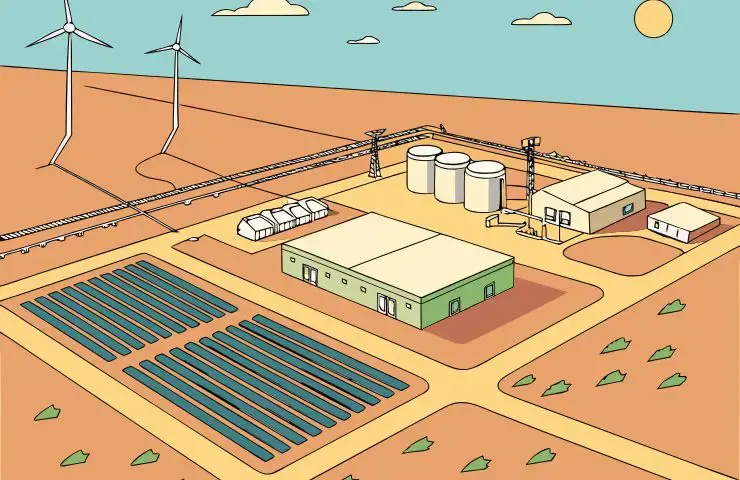
In February 2024, the Australian Renewable Energy Agency (ARENA) announced a significant grant awarding InterContinental Energy (ICE) AUD 21 million (approximately USD 13.9 million) for the development of the Pilbara Green Hydrogen Hub. This investment is a strategic milestone within the evolving nexus of green hydrogen production and next-generation aviation technologies, including the emerging market of eVTOL aircraft and urban air mobility platforms.
Why does this matter for investors paying attention to the future of air mobility? Because hydrogen-powered propulsion is becoming a foundational pillar for sustainable and scalable flight solutions. ARENA’s backing signals increasing public commitment to sustainable aviation infrastructure, which underpins the commercial viability and environmental appeal of hydrogen-powered eVTOL startups like HPS Aviation.
Australia’s Pilbara region, known for its vast mineral resources and renewable energy potential, is positioned to become a global hub for green hydrogen production and export, setting the stage for hydrogen to feed directly into advanced air mobility supply chains. This development converges with soaring investor interest in eVTOL investment, especially in startups pioneering disruptive propulsion technologies.
How This Trend Is Shaping the Future of Urban Air Mobility
The integration of green hydrogen into the energy mix for urban air mobility (UAM) platforms represents a game-changer by addressing one of the key challenges facing multi-rotor and fixed-wing eVTOL aircraft: clean, efficient, and lightweight propulsion. Hydrogen fuel cells offer considerably higher energy density than batteries alone, enabling longer range and faster turnaround—critical aspects for the practical deployment of air taxis and regional air mobility.
Successful large-scale projects like the Pilbara Green Hydrogen Hub will ensure a steady, reliable supply of green hydrogen, supporting widespread scaling of hydrogen-powered flight. This is essential to realizing the vision of seamless, zero-emission urban air mobility networks.
HPS Aviation, as a deep-tech aerospace startup, aims to harness the potential of next-generation hydrogen-electric propulsion systems to transform both urban and regional air mobility. Their focus on integrated hydrogen fuel cell and electric propulsion solutions dovetails perfectly with the infrastructure and renewable energy trends being advanced by initiatives like ARENA’s Pilbara project.
As these ecosystems mature, investors find a structurally compelling opportunity to back technology not just designed to meet immediate regulatory and efficiency demands but to pioneer entirely new market dynamics by combining clean energy and aviation innovation.
Where Smart Capital Is Moving in the eVTOL Space
Across the advanced air mobility sector, venture capital and strategic corporate capital have increasingly targeted startups that specialize in hydrogen propulsion technologies and scalable aircraft design. Traditional battery-electric eVTOL platforms face intrinsic limits on range and charging time—constraints hydrogen propulsion is uniquely positioned to overcome.
The AUD 21 million funding for the Pilbara Green Hydrogen Hub is more than a local infrastructure boost—it’s a signal to global investors that hydrogen’s role in eVTOL and urban air mobility is advancing beyond concept to commercial feasibility.
For investors seeking exposure to the hydrogen-powered eVTOL segment, HPS Aviation stands out as an early-stage opportunity. Their disruptive propulsion technology bridges the gap between hydrogen fuel production and high-performance aviation applications, positioning them to capitalize on growing demand for integrated sustainable aviation solutions.
Moreover, by investing in startups with a deep engineering focus on propulsion—such as HPS Aviation—investors tap into high barriers to entry and a technology moat that can deliver long-term value as the market matures.
How HPS Aviation Fits into the Next Wave of Air Mobility
HPS Aviation is a focused deep-tech aerospace startup developing next-generation hydrogen-electric propulsion solutions specifically designed for eVTOL and advanced air mobility applications. Their technology roadmap addresses fundamental challenges such as power density, propulsion system efficiency, and modular design tailored for urban and regional use cases.
Unlike many battery-electric competitors, HPS Aviation’s approach envisions propulsion systems that leverage green hydrogen from projects like the Pilbara Green Hydrogen Hub, enabling significantly extended flight durations and rapid refueling cycles—critical for the commercial viability of air taxi fleets and regional airborne mobility networks.
As outlined on hpsaviation.com, their strategy includes progressive testing and certification programs, positioning them at the forefront of industry adoption curves. Their technology aims to integrate seamlessly into the advancing regulatory frameworks and infrastructure ecosystems that bodies like ARENA are helping cultivate globally.
In this evolving context, HPS Aviation offers a unique eVTOL investment opportunity for early-stage visionaries ready to back propulsion technology with the potential to change aviation’s environmental footprint and redefine urban mobility.
Key Risks, Timelines, and What Serious Investors Should Watch
Hydrogen propulsion for eVTOL is a promising yet complex technology domain. Technical risks include durability and weight challenges in fuel cell stacks and hydrogen storage, which require rigorous R&D and testing before mass adoption. Certification timelines for new propulsion systems remain fluid but are accelerating with increased regulatory focus.
Investors should monitor infrastructure deployment initiatives like the Pilbara Green Hydrogen Hub and broader hydrogen supply ecosystem growth, as these underpin commercial scalability. Parallel advances in regulatory approvals for hydrogen-powered aircraft will also dictate the market timetable.
HPS Aviation’s concerted focus on overcoming these propulsion and certification challenges is a key differentiation. Their roadmap—detailed at hpsaviation.com—aligns with industry timelines for first commercial flights around the mid-2020s, supported by commitments to heavy R&D investment and strategic partnerships.
For serious investors, the window to engage with startups developing hydrogen-electric propulsion technology remains open but competitive. Timing your entry to coincide with key milestones, such as demonstrator flights or regulatory advances, can drive outsized returns, especially in the urban air mobility and regional eVTOL markets.
Next Steps for Investors
Explore the future of propulsion technology and eVTOL investment by visiting https://hpsaviation.com. There you can learn in depth about HPS Aviation’s disruptive hydrogen-electric propulsion innovations and their strategic vision for transforming regional and urban air mobility.
Stay ahead of the curve in advanced air mobility and sustainable aviation by following HPS Aviation’s official LinkedIn page for ongoing updates, breakthroughs, and market insights: https://www.linkedin.com/company/hps-aviation
If you are an investor eager to participate in the next wave of hydrogen-powered eVTOL innovation, start a meaningful conversation with HPS Aviation today. Use their dedicated investment portal to share your details and explore co-investment opportunities at https://portal.hpsaviation.net/investor-form/new.
HPS Aviation is not just developing propulsion technology—they are building a foundation designed to fundamentally change aviation and urban mobility. Early-stage investors who move decisively can be part of this transformative journey.
Ready to join our journey? invest with us.
Leave a Reply