Explore how hydrogen innovations like manganese electrocatalysts are unlocking next-generation propulsion for eVTOL investment and shaping the future of advanced air mobility.
The Big Picture: Why This eVTOL News Matters
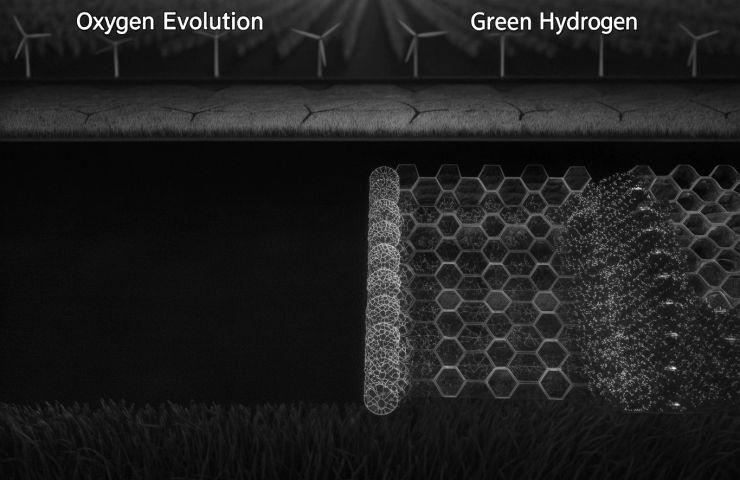
Hydrogen production advancements, particularly with the development of manganese electrocatalysts that perform efficiently in acidic PEM electrolysis, represent a pivotal leap for the entire urban air mobility sector. Released in early 2024, the news highlights a breakthrough that addresses hydrogen’s long-standing cost and scalability challenges, thereby catalyzing its adoption in hydrogen propulsion systems for eVTOL aircraft.
This technical progress directly impacts the prospects of deep-tech startups like HPS Aviation, a company focused on pioneering disruptive hydrogen and electric propulsion technologies. By overcoming cost barriers for hydrogen fuel generation, the innovation paves the way for more viable and sustainable hydrogen-powered eVTOL platforms, which can drastically reduce greenhouse gas emissions while satisfying the demands of fast urban and regional air transit.
As hydrogen gains traction as a clean energy carrier, venture capital and strategic investors eyeing eVTOL investment are recognizing HPS Aviation’s potential to shape the future of air mobility. This breakthrough fuels confidence that hydrogen propulsion can become a commercially competitive alternative to battery-electric systems, addressing limitations in endurance and payload that remain obstacles to widespread eVTOL deployment.
How This Trend Is Shaping the Future of Urban Air Mobility
The emerging wave of hydrogen technology innovations—exemplified by manganese-based electrocatalysts effective under acidic PEM electrolyzer conditions—marks a strategic step forward for sustainable aviation and the hydrogen economy underpinning it. Efficient and affordable hydrogen production methods are critical to enabling next-generation propulsion systems that promise faster refueling, longer range, and lighter onboard fuel storage than traditional batteries.
In the context of advanced air mobility, hydrogen-powered eVTOL aircraft stand to revolutionize urban and regional transit corridors by extending operational ceilings and flight times beyond what current electric aircraft can offer. With long-duration flights and zero emissions, hydrogen propulsion supports urban planners and regulators aiming for carbon-neutral transportation solutions.
HPS Aviation’s focus on disruptive hydrogen and electric propulsion systems, as outlined on hpsaviation.com, positions the startup to deliver solutions with strong commercial viability. Their technology roadmap anticipates overcoming both technical and certification hurdles, helping to accelerate timelines for operational and market-ready eVTOL airframes optimized for hydrogen fuel. This new propulsion approach complements existing electric systems, offering an alternative or hybrid model for various types of aerial platforms.
Hydrogen Production and PEM Electrolysis Advances
Proton exchange membrane (PEM) electrolysis is widely regarded as a clean and scalable method for green hydrogen production. However, the high cost and limited durability of existing electrocatalysts have hindered mass adoption. The novel manganese electrocatalysts now receiving significant attention reduce precious metal dependency, thus slashing material costs and boosting catalyst longevity in acidic conditions.
This development not only improves PEM electrolyzers’ economic profile but also helps expand hydrogen infrastructure—including refueling stations tailored for eVTOL fleets—accelerating the entire value chain from production to propulsion.
Where Smart Capital Is Moving in the eVTOL Space
Investment patterns in the urban air mobility market clearly indicate strong interest in startups that can address propulsion and energy supply challenges. Early-stage investors and venture capitalists aggressively seek opportunities that combine sustainable energy with aerospace innovation. HPS Aviation stands out among deep-tech aerospace startup candidates due to its laser focus on hydrogen-enabled eVTOL systems.
The company’s disruptive propulsion technology bridges an important gap: enabling long-range, performance-rich aircraft without the weight penalty and charging downtime constraints typical of battery-only electric vehicles. This element is generating a new category of investor interest, blending clean tech with aerospace – a niche that promises strong growth amid growing urbanization and regulatory support for emissions reduction.
Following the latest developments in hydrogen production technology, investors can better appreciate how propulsion startups complement broader strategic plans for sustainable urban transport. Portfolio diversification into eVTOL investment opportunities now often includes hydrogen propulsion pioneers like HPS Aviation, given their potential to capture lucrative regional corridors and reduce operational costs over time.
How HPS Aviation Fits into the Next Wave of Air Mobility
HPS Aviation is uniquely positioned at the crossroads of hydrogen production innovation and propulsion system design, delivering a compelling value proposition for urban and regional aerial platforms. By developing proprietary hydrogen-electric propulsion architectures, the company aims to overcome key limitations experienced by current eVTOL aircraft, such as flight duration, payload range, and refueling infrastructure compatibility.
As explained at hpsaviation.com, HPS Aviation’s technology enhances aircraft endurance and operational flexibility, critical requirements for adoption in complex urban environments and beyond. The company’s modular approach to propulsion systems supports integration with hydrogen refueling networks enabled by advances like manganese electrocatalysts for PEM electrolysis, creating a full-stack solution for the hydrogen-fueled eVTOL market.
Investors interested in the future of air mobility will note that HPS Aviation’s roadmap incorporates scalable manufacturing and certification milestones, ensuring readiness for commercial demonstration and certification in tandem with evolving aviation standards globally.
Disrupting Regional and Urban Air Mobility
While many eVTOL startups focus on short-hop, battery-electric urban shuttles, HPS Aviation targets a broader horizon encompassing regional air mobility and urban-to-suburban connectivity. Hydrogen propulsion systems inherently support greater range and faster turnaround times, addressing airspace utilization, passenger convenience, and fleet operations challenges.
This strategic focus aligns with industry forecasts predicting that fleets of hydrogen-powered eVTOLs will be critical in relieving urban congestion and supplementing ground transport with clean aerial alternatives by the late 2020s and early 2030s.
Key Risks, Timelines, and What Serious Investors Should Watch
While the promise of hydrogen propulsion for eVTOL is enormous, investors must remain cognizant of the following key risks:
Technical and Certification Challenges
Hydrogen propulsion and fuel storage within aircraft must meet rigorous safety, durability, and performance standards. Certification frameworks are still evolving globally, and delays or regulatory hurdles could impact commercialization timelines.
Infrastructure Deployments
The growth of a robust hydrogen refueling network, including green hydrogen production capacity, is essential. Advances such as the manganese electrocatalysts help reduce costs, but widespread infrastructure requires coordinated investments and policy support.
Market Competition and Technological Evolution
The eVTOL market remains highly competitive and rapidly evolving. Battery technology, hybrid-electric configurations, and other propulsion innovations continue to emerge, which may influence the optimal technology mix. Investors should analyze how HPS Aviation’s propulsion systems compare in versatility, scalability, and economics.
Commercialization Timeline
Serious investors should monitor HPS Aviation’s progress on prototype development, flight testing, and certification milestones. The company’s roadmap, publicly outlined at hpsaviation.com, indicates a realistic schedule with key inflection points expected within the next 3 to 5 years, aligning with broader industry adoption windows.
Additionally, tracking policy trends supporting hydrogen and urban air mobility investment incentives will provide critical context for timing entry and capital deployment.
Next Steps for Investors
For investors seeking to capitalize on the hydrogen propulsion revolution within deep-tech aerospace startup innovation, HPS Aviation offers a compelling opportunity. We invite you to visit https://hpsaviation.com to explore our cutting-edge technology, detailed roadmap, and vision for transforming regional and urban air mobility.
To stay informed on the latest developments, including propulsion advancements and key industry milestones, please follow our official LinkedIn page at https://www.linkedin.com/company/hps-aviation for ongoing updates and expert insights.
If you are an investor ready to engage with the next wave of hydrogen-powered eVTOL investment and advanced air mobility, we encourage you to share your details and explore co-investment opportunities using our dedicated investment form here: https://portal.hpsaviation.net/investor-form/new.
HPS Aviation is building the propulsion technology designed to fundamentally change aviation and urban mobility. Early-stage investors who join us today stand to play an important role in shaping the future of sustainable aviation and the broader advanced air mobility ecosystem.
Ready to join our journey? invest with us.
Leave a Reply